

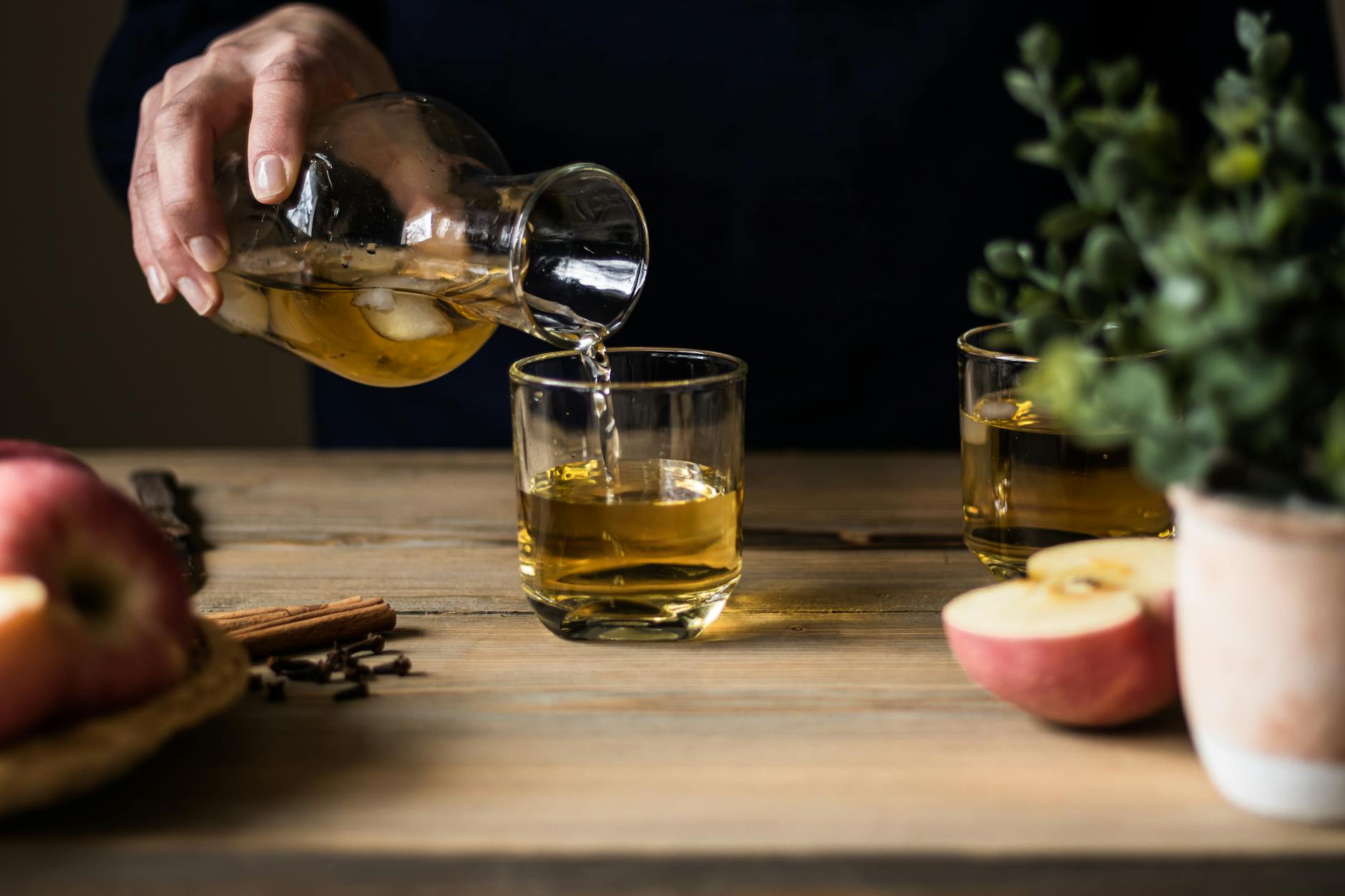
As the days grow shorter and the air turns crisp, we approach Samhain, an ancient Celtic festival marking the end of the harvest and the beginning of winter’s descent. It is a liminal time, when the veil between worlds thins and the rhythms of life and death meet in sacred exchange. Though often remembered for ancestor reverence and quiet reflection, Samhain has always been a time of gathering, celebration, and gratitude for the earth’s abundance before the darkness settles in. It invites us not only to honor what has passed but also to share in the warmth and bounty of the season, and one great way to do that is with our Samhain Wassail recipe.
Among the many ways ancestors observed this turning of the year, the tradition of Wassailing stands out as a joyful act of connection. Rooted in the Old English waes hael—meaning “be in good health”—Wassailing was both blessing and celebration. Communities would gather with song and spirit to toast one another’s wellbeing and to honor the land itself, sometimes venturing into orchards to bless the trees for future harvests. Though more commonly associated with midwinter, its essence—abundance, gratitude, and the renewal of life—resonates deeply with Samhain’s energy.
Sabbat Activity Booklet
Get your free copy of this printable PDF, designed to help you explore any of the Pagan Sabbats!
Today, preparing a warm pot of spiced Wassail can become a meaningful ritual of our own, representing a fragrant offering of gratitude and remembrance that can be shared among friends, family, and the spirits alike. Brewed with intention, this timeless drink transforms simple ingredients into symbols of connection: apple for the soul, spice for warmth, and honey for blessing. As we raise our mugs beneath the autumn sky, we also continue the tradition of uniting the living and the departed, the harvest and the hearth, gratitude and reflection—through a single, heartfelt toast: waes hael—wishing all to “be well!”

The Tradition of Wassailing
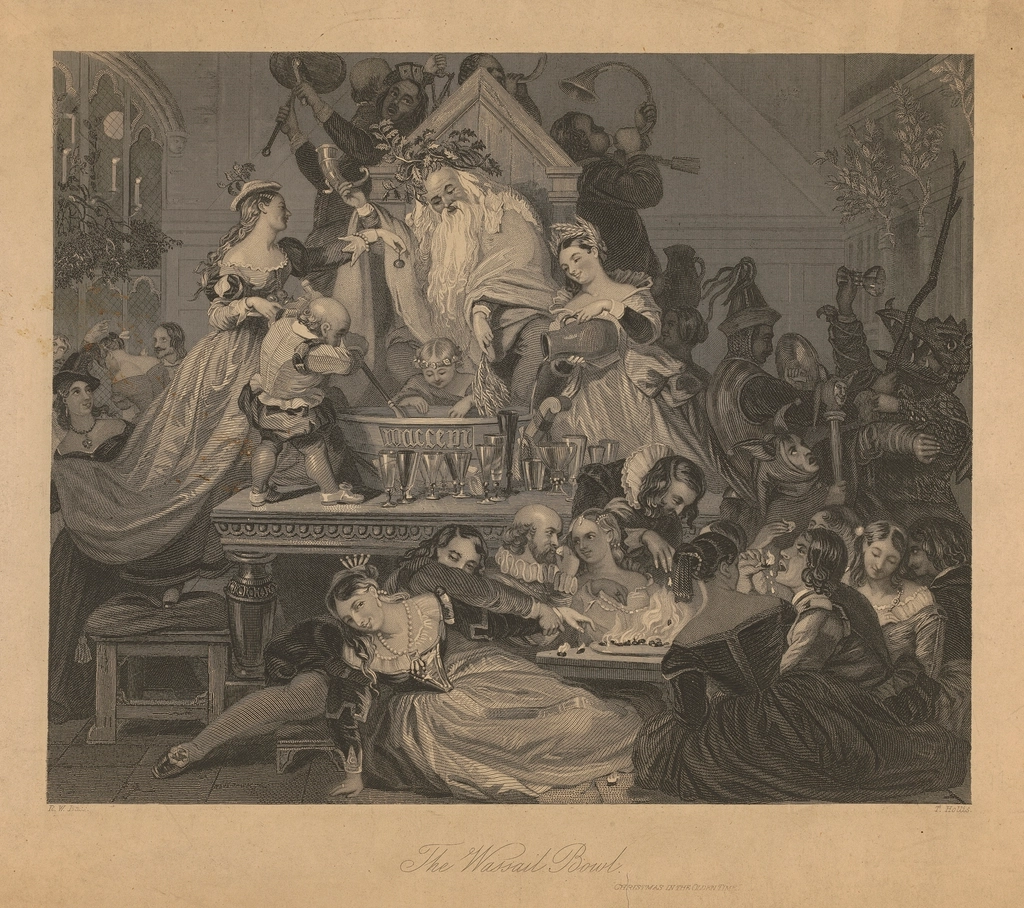
Wassailing, at its core, is a practice of gathering together and toasting to the health and well-being of family, community, and the land. Traditionally, Wassail was shared from a communal bowl during large gatherings, with each person taking a sip while offering blessings for prosperity and health. This ritual of toasting and drinking together fostered a sense of connection among the participants, serving as a reminder of the importance of community during the darker, colder months.
In some regions, Wassailing also involved going out into apple orchards to bless the trees for a good harvest in the coming year. Participants would gather around the trees, singing songs and pouring the Wassail at their roots as a symbolic offering to the spirits of the land. This act of giving back ensured that the trees would remain strong and fruitful, continuing the cycle of abundance.
Although Wassailing is often associated with midwinter festivities, many of its themes—abundance, gratitude, and community—resonate with the energies of Samhain as well. As we celebrate the final harvest and prepare for the darker half of the year, making Wassail can become a meaningful way to honor the spirits of the season, invite blessings into the home, and share in the warmth of community.

The Ritualistic Act of Toasting
At the heart of the Wassail tradition is the act of toasting. Toasting is more than just raising a glass, serving as an act of intention, a way of speaking your desires into the world or blessing those around you. During Samhain, when the veil between the worlds is thin, toasts carry an added significance. We are not only toasting to the health and prosperity of our living community but also to the spirits of the ancestors, the land, and the harvest.
Toasting invites us to invite manifestation in its purest form. As we speak our wishes for health, protection, or prosperity, we affirm that our words carry power—that intention spoken with sincerity ripples outward—shaping both energy and experience. Whether you’re celebrating with a small family gathering or a larger group of friends, toasting with Wassail provides an opportunity to acknowledge the cyclical nature of life and death, give thanks for the abundance we’ve received, and set intentions for the year to come.
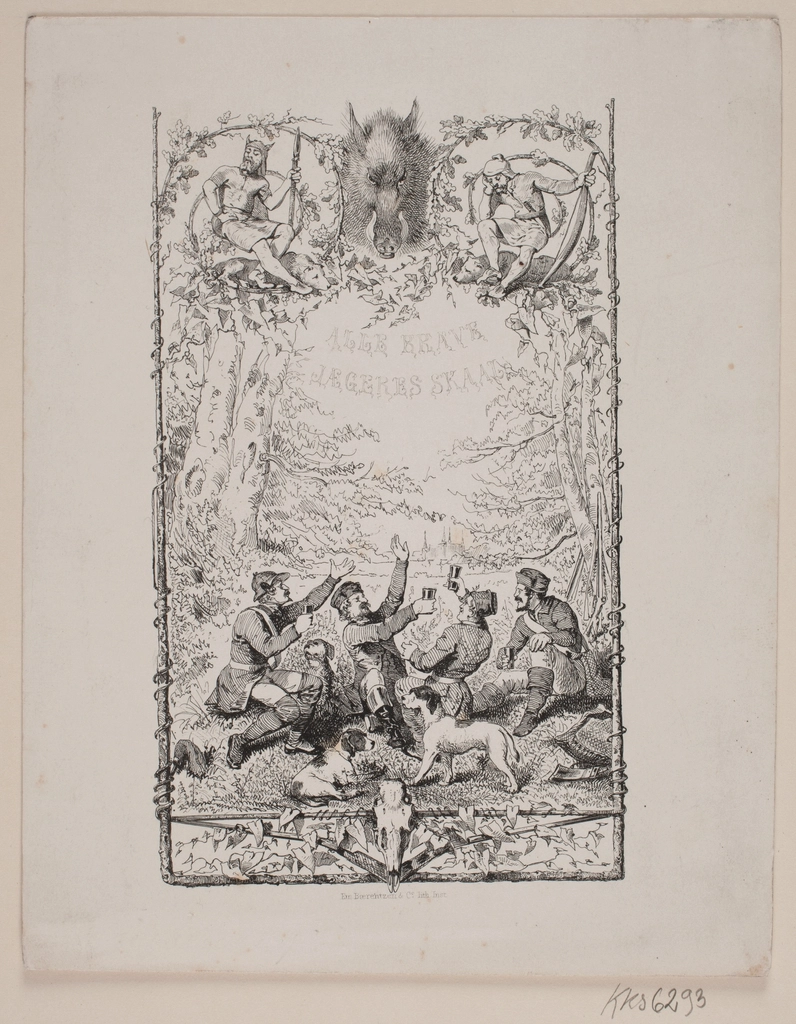
Toasting together strengthens bonds, fortifies community, and creates an energetic connection between those present. When Wassail is brewed and shared intentionally, it becomes more than just a festive drink, transforming into a tool for connection and ritual. Incorporating this ancient custom into our Samhain celebrations can provide a warm, joyous way to gather with loved ones and offer blessings for the cycle ahead.

The Significance of the Ingredients
Even the ingredients of Wassail are rich with symbolic meaning. Each carries its own historical and spiritual significance. Let’s explore some of them:
- Apple cider: Apples were considered sacred in many ancient cultures, symbolizing immortality and the soul. Using apple cider as the base of your Wassail also connects you directly to Earth’s abundance. In Wassailing traditions, apple orchards were often blessed to ensure a good harvest in the coming year.
- Spices: Cinnamon, cloves, and nutmeg were highly prized in medieval Europe for their warming and medicinal properties. These spices can also represent protection, purification, and warmth, which are all important themes as the cold winter months approach.
- Honey: Honey was seen as a sacred substance in many cultures, often used in offerings to the gods and spirits. In Wassail, honey adds sweetness and richness, symbolizing the sweetness of life and the blessings of the harvest.
- Alcohol: Ale, beer, or rum in Wassail hearkens back to the communal feasts of ancient times, where alcoholic beverages were shared in celebration. Alcohol in the drink can represent the transformative power of the season, turning the fruits of the earth into a warm, comforting drink that unites the community.
- Bay leaves: Bay leaves are often associated with protection and purification. Including them in your Wassail blend can symbolize your desire to partake in the transformative potentials of Samhain.

Samhain Wassail Recipe
A delicious, warm brew that’s both spicy and sweet, perfect for toasting the final harvest.
Traditional Wassail recipes vary, but the core ingredients usually include apple cider, spices, and fruits. Adjust this recipe to suit your taste preferences or dietary needs, it can also be made either alcoholic or non-alcoholic.
Ingredients:
- 8 cups of apple cider
- 2 cups of ale or dark beer (optional)
- 1/2 cup brandy or rum (optional)
- 2 oranges, sliced
- 1 apple, cut into wedges
- 1/2 cup fresh cranberries (or 1/4 cup dried)
- 1/4 cup honey or brown sugar
- 1 cinnamon stick
- 5 whole cloves
- 1/4 tsp ground nutmeg
- 1/4 tsp ground allspice
- 2 star anise pods
- Freshly grated ginger
- Bay leaves
Instructions:
Step #1: Prepare the Ingredients

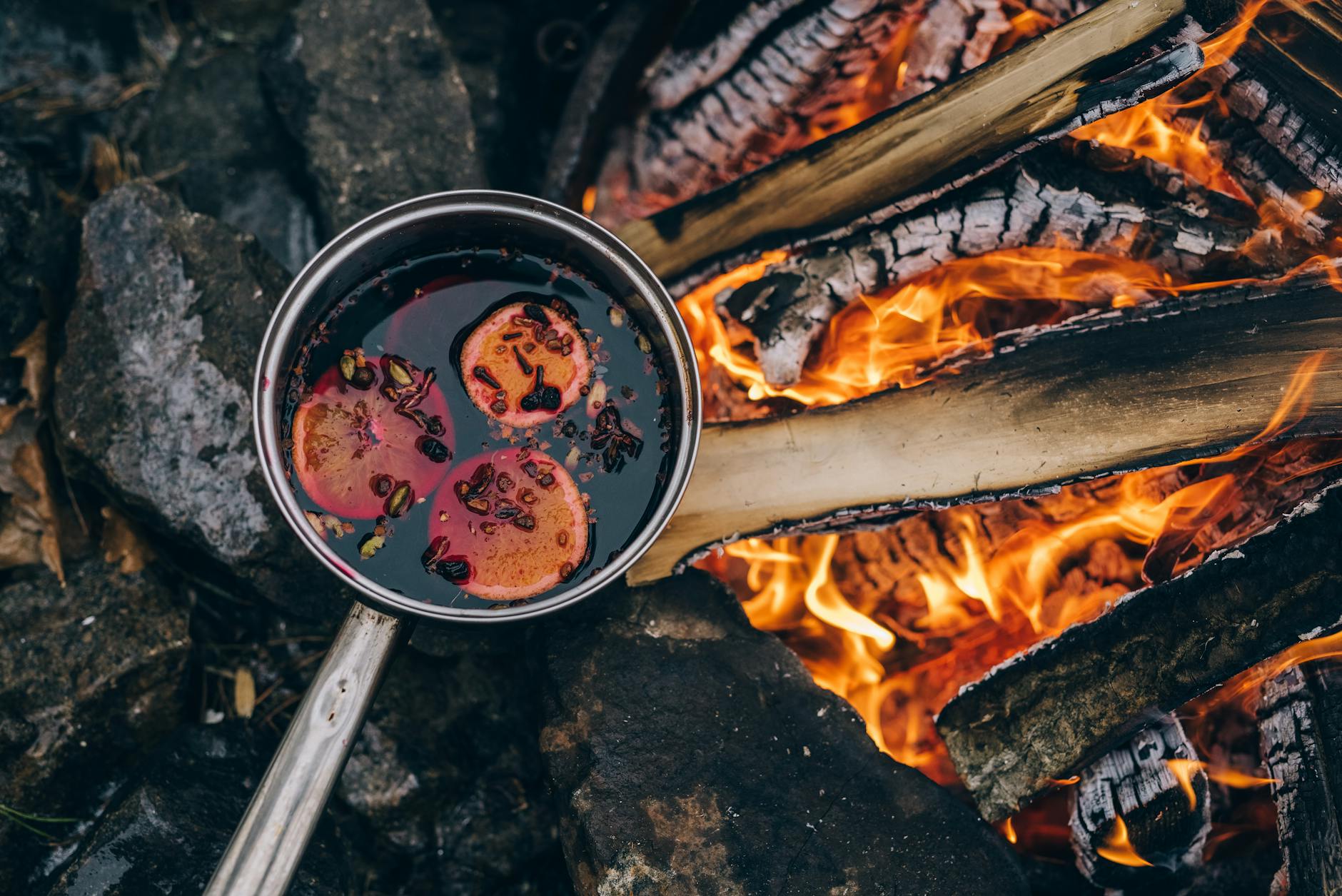
Begin by slicing the oranges and apples. If desired, you can stud one of the oranges with whole cloves, creating a pomander-like effect. This not only adds flavor but also enhances the visual appeal of the Wassail.
Step #2: Heat the Apple Cider
In a large pot or slow cooker, pour in the apple cider. Set the heat to medium-low and allow the cider to warm gently; do not boil. If using, add the ale or dark beer at this stage for an alcoholic version.
Step #3: Add Spices and Sweeteners
Once the cider is warm, add the cinnamon stick, whole cloves (if separate from the orange), nutmeg, allspice, star anise, and freshly grated ginger. Stir in the honey or brown sugar, adjusting the sweetness to your taste. These flavorings are traditional in Wassail, symbolizing warmth, protection, and the abundance of the harvest.
Step #4: Simmer the Fruit
Add the cranberries, oranges, and apples to the pot. If you’re using a clove-studded orange, float it in the Wassail as a centerpiece. The fruit not only imparts its flavor to the drink but also represents the harvest’s abundance and the cyclical nature of life.
Step #5: Add Alcohol (Optional)
If you’re making an alcoholic Wassail, add the brandy or rum now. Stir gently to combine, remaining careful to not let the mixture boil, as this can evaporate the alcohol and alter the flavors.
Step #6: Let Steep
Reduce the heat to low and let the Wassail set for at least 30 minutes, allowing the flavors to meld. The longer it sits, the more the spices and fruit will infuse the drink. Stir occasionally to make sure everything is evenly distributed.
Step #7: Taste and Adjust
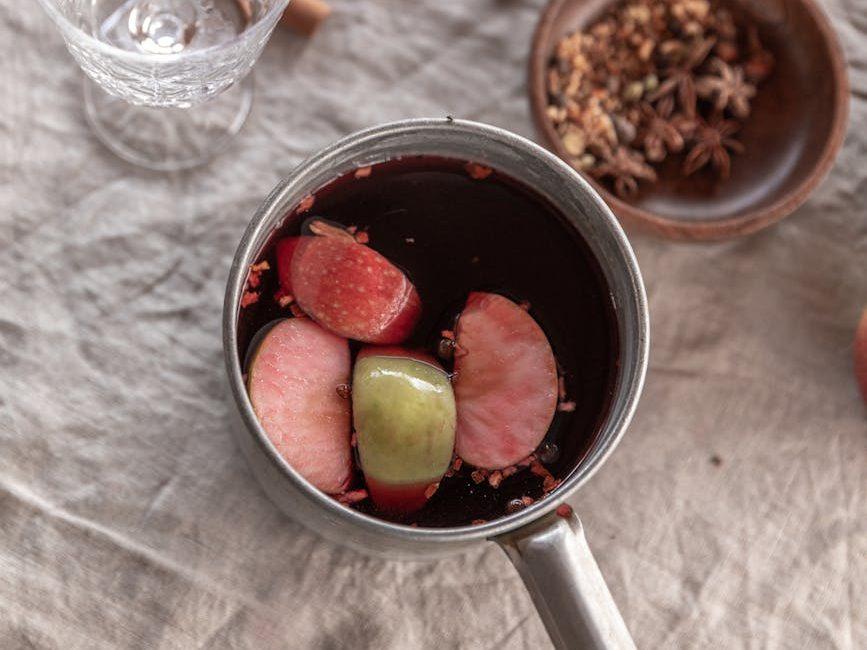
After the Wassail has steeped, taste it and adjust the spices or sweetness as needed. If you prefer a stronger flavor, you can add more cinnamon or cloves. For a sweeter drink, add a bit more honey or brown sugar.
Step #8 : Serve Warm
Once the Wassail is ready, ladle it into mugs, making sure to include some of the fruit slices as a garnish. If desired, you can adorn each cup with a bay leaf as a gesture of blessing.
As you serve the Wassail, gather your loved ones together and offer a toast to the spirits of Samhain: the ancestors, the land, and the harvest. You might also encourage each person to share a blessing, gratitude, or wish for the year ahead. If brewing as a part of your own private Samhain rituals, you can place a cup on your altar or pour it out as an offering in a natural space. However you enjoy this ritual beverage, take your time to let your senses indulge in its rich and flavorful notes, for your mind acknowledge and appreciate the intentions behind it, and to allow your heart to fill with gratitude for the cycles that sustain us.

Conclusion: Celebrating Life’s Cycles Is More Flavorful with Our Samhain Wassail Recipe
Wassail is more than just a delicious drink, representing traditions of gathering, protection, and celebration that date back centuries. You tap into these ancient energies of community and harvest by making your own Wassail for Samhain; use it to offer blessings to the living, as well as the spirits who walk among us during this liminal time.
Consider hosting your own Wassail gathering as part of your Samhain celebrations. Invite friends and family to share in the warmth of the season, encouraging everyone to offer a toast or blessing for the year ahead. The act of coming together to raise a glass can foster a deep sense of connection with one other, but also reminds us of the interconnected cycles of nature that Samhain represents. Of course, you can also use this symbolic beverage to toast to health, to prosperity, or to the memory of loved ones who have passed with your own private ritual too.
Sabbat Activity Booklet
Get your free copy of this printable PDF, designed to help you explore any of the Pagan Sabbats!
As you sip your Wassail, consider all the symbolism and intentions you’ve infused into the drink. In each sip, honor the spirits of the land, the ancestors, and the harvest. As the warmth of the spiced cider fills your body, may you reaffirm your place within the ongoing cycle of abundance and rest that Samhain so beautifully celebrates—waes hael!
Thank you for joining us here on Onescence! If you enjoyed this article, please consider supporting our free, online periodical by purchasing one of our products through Onesce Press. Given your interest in ritual and natural cycles, perhaps you would benefit from:
Moon Cycle Journey

JOURNAL FEATURES:
- Learn about the rhythms of the lunar cycle and how to apply them to your own journey.
- Explore your cycle goals, developing and working with your own authentic intentions.
- Discover the power of personal feedback for enhancing and sustaining progress.
- Utilize daily/nightly journal prompts that are designed to bring out your best.
- Experiment with simple ritual ideas and when to employ them throughout the cycle.
- And so much more…
You can also get your copy on Amazon and begin your journey with the next moon cycle!