


As the golden light of summer gives way to the crisp air of autumn, the Wheel of the Year turns once more, leading us into a season of harvest, balance, and introspection. For Pagans and those who observe Earth-centered spiritual traditions, the autumn Sabbats of Mabon and Samhain represent pivotal moments in the natural and spiritual cycles. Mabon, celebrated around the Autumn Equinox, and Samhain, the final harvest before winter, are both deeply connected to the theme of harvest—yet they invite us to engage with this time of year in different ways. Mabon teaches us the importance of balance and gratitude, while Samhain offers an opportunity for reflection on endings and the mysteries of death and rebirth.
Let’s explore the significance of these two autumnal Sabbats, examining their themes of balance, harvest, and introspection. We will look at how Mabon and Samhain mark the end of the agricultural year and the beginning of a new cycle, offering lessons about nature’s rhythms and our own personal growth. We’ll also consider the spiritual importance of the final harvest and ancestor veneration, while differentiating Mabon’s focus on balance and gratitude from Samhain’s emphasis on reflection and new beginnings.

Mabon: The Autumn Equinox and the Balance of Light and Dark
Mabon is celebrated around the Autumn Equinox, typically falling between September 20th and 23rd in the Northern Hemisphere (March 20th – 23rd in the Southern Hemisphere). This Sabbat marks a moment of perfect balance between day and night, as Earth prepares to shift from the warmth and abundance of summer into the quiet and introspective energy of winter. Named after the Welsh god Mabon, who is associated with youth, light, and harvest, this festival is sometimes referred to as the “Pagan Thanksgiving.”
At Mabon, we stand at a point of equilibrium, with equal hours of light and darkness. This balance between light and dark is not just a physical phenomenon but also a symbolic one. Mabon invites us to reflect on the balance in our own lives, asking questions such as: Where have we been giving too much energy? Where have we been neglecting important aspects of our lives? Just as nature is in a state of balance, we too are called to seek harmony within ourselves and our surroundings.

The Theme of Gratitude
One of the central themes of Mabon is gratitude. This Sabbat occurs during the second harvest, when Earth’s bounty is fully apparent. Crops are being gathered, fruits and vegetables are ripening, and the abundance of nature is on full display. As a time of thanksgiving, Mabon encourages us to pause and reflect on the blessings in our lives. We are reminded to give thanks for the gifts we have received—whether they are material, emotional, or spiritual.
Gratitude is not only a practice of acknowledging abundance but also a way of cultivating balance. By focusing on what we are grateful for, we can bring a sense of peace and contentment into our lives, even as the external world begins to slow down. This practice of gratitude helps us shift our focus from what we may lack to what we have already been given, fostering a sense of equilibrium within ourselves.
Celebrating the Harvest
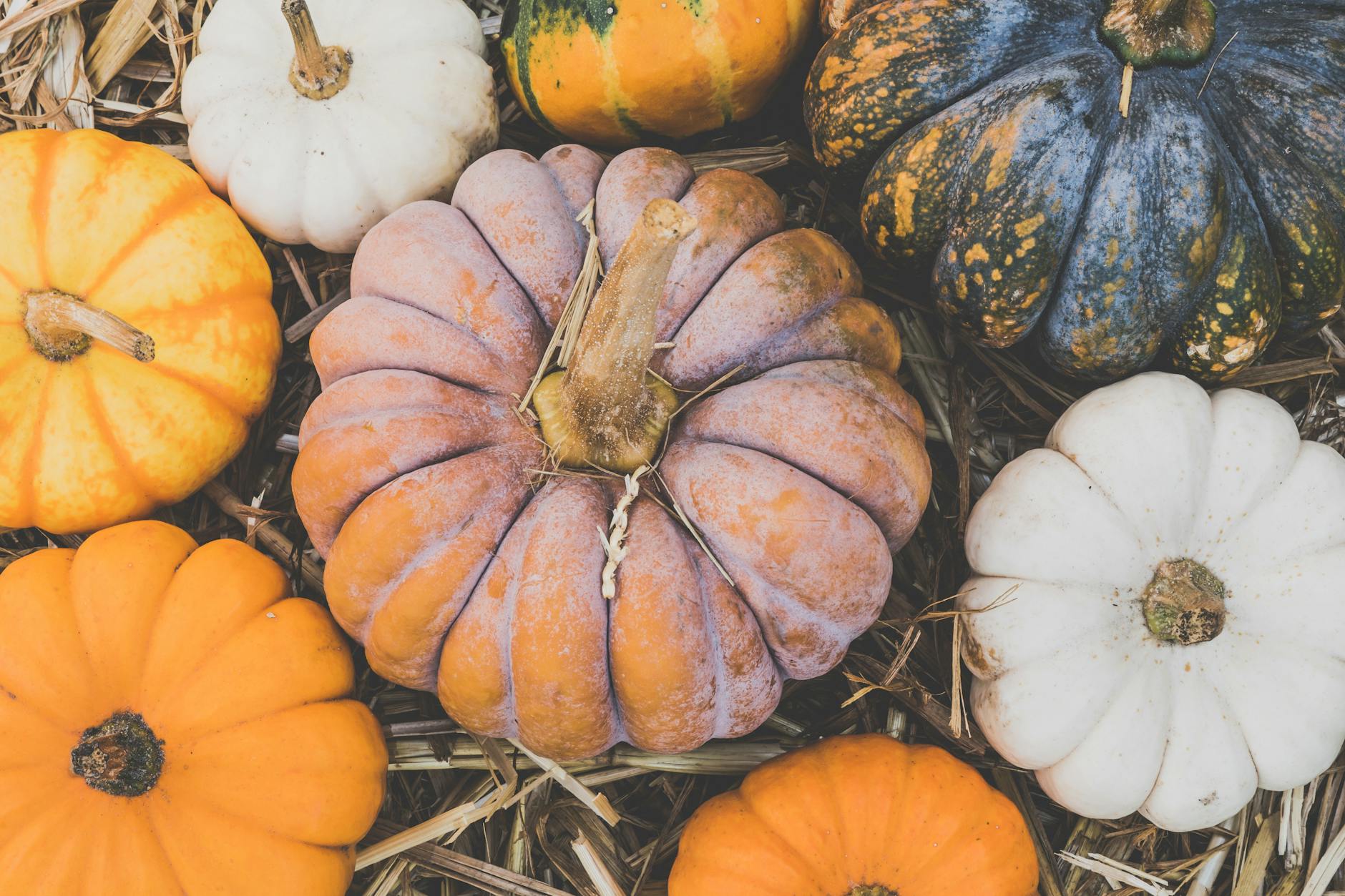
In many ways, Mabon is a celebration of Earth’s abundance. It is the time of year when we gather the fruits of our labor—both literally and metaphorically. In ancient times, Mabon marked the beginning of the final stages of the agricultural year, when crops were harvested, and communities came together to share in the abundance. Today, we may not all rely on the land for sustenance, but the theme of harvest is still relevant. Mabon invites us to reflect on the “harvests” in our own lives: What projects have come to fruition? What relationships have deepened? What personal goals have we achieved?
As we celebrate the harvest, Mabon also encourages us to think about sharing our abundance with others. Just as nature provides enough for all, we too are invited to share our gifts with those around us—whether it’s through acts of kindness, sharing a meal with loved ones, or offering our time and energy to those in need. This spirit of generosity is another way that Mabon fosters balance and harmony, reminding us that we are all interconnected and part of a larger community.

Honoring Balance
The theme of balance is central to Mabon, not only because of the equinox but also because this time of year represents a delicate balance between the seasons. The warmth and vitality of summer are giving way to the cool, introspective energy of autumn. This seasonal shift reminds us of the cyclical nature of life, where growth and abundance are always followed by decline and rest. Just as Earth must rest in order to renew itself, we too must find balance between activity and rest, between giving and receiving, and between action and reflection.
Mabon encourages us to assess the balance in our own lives and to make adjustments where necessary. This might mean taking time to rest after a period of intense work, or it could involve finding ways to give back after a time of receiving. Whatever form it takes, the balance we seek at Mabon is a reflection of the natural cycles of nature, reminding us that we, too, are part of these cycles.

Samhain: The Final Harvest and the Reflection on Endings
Samhain, celebrated on the night of October 31st in the Northern Hemisphere (May 1st in the Southern Hemisphere), is one of the most important Sabbats in the Pagan calendar. Often referred to as the Witches’ New Year, Samhain marks the end of the harvest season and the beginning of the dark-dominant half of the year. As the final harvest festival, Samhain is a time for gathering the last crops and preparing for the quiet, introspective months ahead. It is also a time for honoring ancestors and reflecting on the cycles of life and death.
Samhain is a liminal time, when the veil between the worlds of the living and the dead is said to be thin. This belief, which is common in many cultures, has made Samhain a time for ancestor veneration, spirit communication, and reflection on the mysteries of death and rebirth. While Samhain shares the theme of harvest with Mabon, it carries a much deeper emphasis on endings, letting go, and preparing for new beginnings.

The Final Harvest
In agricultural societies, Samhain was the time when the last of the crops were gathered, and the land was prepared for winter. Anything left unharvested would be left to rot in the fields, symbolizing the end of the growing season and the finality of the year’s work. This final harvest is both a time of celebration and a time of reckoning. It is a celebration of nature’s gifts and a recognition that the time of growth and abundance is now over.
For those who observe Samhain, the final harvest is not just about gathering crops; it is also a metaphor for the harvests in our own lives. Samhain invites us to reflect on the fruits of the past year: What have we accomplished? What goals have we reached? What lessons have we learned? It is a time to take stock of our personal harvests and to acknowledge both the successes and the failures.
Honoring Ancestors and Spirit Communication
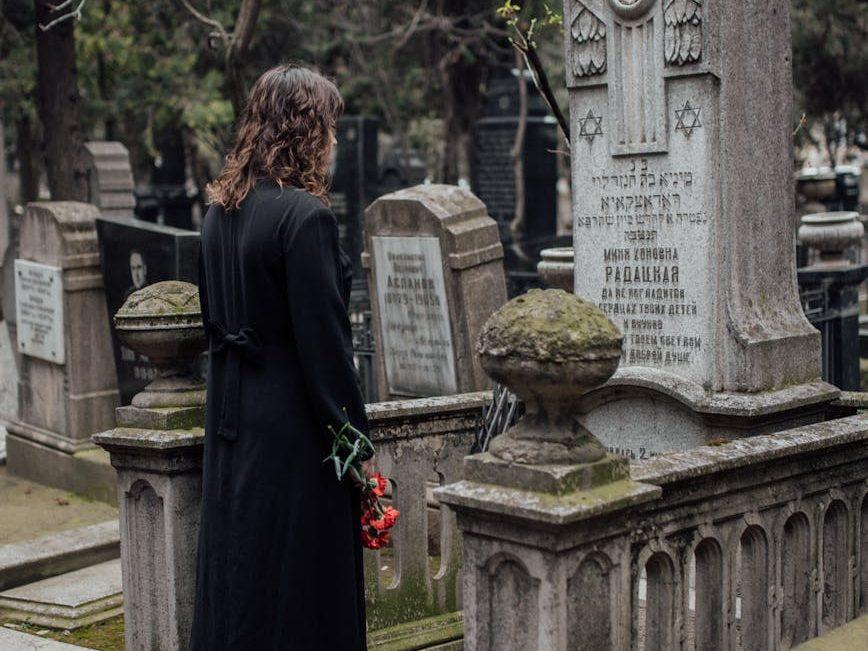
One of the most important aspects of Samhain is the tradition of honoring ancestors. As the veil between the worlds is believed to be thin, Samhain is a time for connecting with those who have passed on. In many traditions, altars are set up with photographs, mementos, and offerings for deceased loved ones. Some people hold dumb suppers, silent meals where a place is set for the spirits of the dead, and others engage in rituals or meditations to communicate with ancestors or seek their guidance.
Ancestor veneration at Samhain is not just about remembering those who have passed; it is also about acknowledging the cycles of life and death. By honoring our ancestors, we recognize that we are part of a long line of human experience, and that death is a natural and inevitable part of life. Samhain teaches us to embrace the mystery of death, not as an end, but as a transition to another phase of existence.

Reflection on Endings and New Beginnings
While Samhain is often associated with death and endings, it is also a time for new beginnings. In fact, for some, Samhain is considered the start of the new year. Just as the natural world is entering its time of rest and regeneration, we too are invited to reflect on the past year and begin to incubate our intentions for the year to come.
Samhain teaches us that endings are not final; they are simply part of a larger cycle. Just as Earth must rest in winter before the new growth of spring, we too must let go of the old in order to make space for the new. This is a time for releasing what no longer serves us—whether it’s old habits, relationships, or ways of thinking—and for preparing ourselves for the new opportunities and challenges that lie ahead.

Differentiating Mabon and Samhain: Balance vs. Reflection
While Mabon and Samhain share the themes of harvest and introspection, they offer different perspectives on how we engage with these themes.
Mabon’s Focus on Balance and Gratitude
At Mabon, the focus is on balance and gratitude. This is a time of equilibrium, when the day and night are of equal length, and Earth is in a state of abundance. Mabon encourages us to reflect on the balance in our own lives and to give thanks for the blessings we have received. It is a time of celebration, of sharing our abundance with others, and of cultivating a sense of peace and contentment as we move into the quieter months of the year.
The energy of Mabon is one of stillness and reflection, but it is not yet a time for endings. Rather, it is a time for appreciating the fullness of life and for considering how we can maintain balance as the seasons shift.

Samhain’s Emphasis on Reflection and New Beginnings
In contrast, Samhain is a time of deep reflection on endings and new beginnings. While Mabon invites us to appreciate the harvest, Samhain asks us to consider what we are ready to let go of. It is a time for acknowledging the cycles of life and death, for honoring our ancestors, and for preparing ourselves for the new year ahead.
Where Mabon is focused on balance and gratitude, Samhain is about transformation and renewal. It is a time for releasing the old, for embracing the mysteries of death and rebirth, and for setting intentions for the future. The energy of Samhain is quieter, more introspective, and more focused on the spiritual aspects of the harvest.

Applying the Lessons of these Sabbats
Both Mabon and Samhain offer valuable lessons for personal spiritual growth. By observing these Sabbats, we can cultivate a deeper connection with the natural cycles and with our own inner world.
Practicing Gratitude at Mabon
One of the simplest ways to honor Mabon is through the practice of gratitude. Take time to reflect on the blessings in your life and to express thanks for the abundance you have received. This could be through journaling, creating a gratitude altar, or sharing a meal with loved ones. Gratitude helps cultivate balance and peace, allowing us to appreciate the present moment.
Balancing Work and Rest
At Mabon, consider how you can bring more balance into your life. Are there areas where you are overextending yourself? Are there areas where you need to give more attention? Mabon is a time for finding harmony between work and rest, giving and receiving, and action and reflection.

Honoring Ancestors at Samhain
Samhain is a powerful time for honoring your ancestors and reflecting on the cycles of life and death. Create an altar with photographs and mementos of loved ones who have passed on, or engage in a silent meditation to connect with the wisdom of your ancestors. This practice helps deepen your connection with your lineage and the larger cycles of existence.
Releasing What No Longer Serves You
Samhain is also a time for letting go. Take some time to reflect on what in your life is no longer serving you—whether it’s an old habit, a relationship, or a belief. Write down what you wish to release on a piece of paper, and safely burn it as a symbolic act of letting go. This ritual creates space for new growth and new beginnings.
Conclusion: Autumn’s Sabbats are Chances to Harvest Life’s Richness
The autumn Sabbats of Mabon and Samhain offer profound lessons about balance, gratitude, reflection, and renewal. Guiding us through the harvest season, they invite us to appreciate the abundance of Earth, to reflect on the cycles of life and death, and prepare ourselves for the new beginnings that lie ahead.
By observing Mabon and Samhain, we can align ourselves with the natural rhythms of Earth and cultivate a deeper connection with both nature and spirit. As the days grow shorter and the nights grow longer, may we all take some time to honor the balance of Mabon and the reflection of Samhain, finding harmony within ourselves and embracing the cycles of change that guide our lives.
Additional Resources
- The Year of the Witch: Connecting with Nature’s Seasons through Intuitive Magic by Temperance Alde – A guide to connecting with the seasons and creating personalized Sabbat rituals.
- The Spiral Dance: A Rebirth of the Ancient Religion of the Great Goddess by Starhawk – A classic work on Pagan rituals and spirituality.
- Nature, Man, and Woman by Alan Watts – An exploration of the relationship between humanity and the natural world.