

It’s a familiar ritual by now: we open an app to check one thing, and twenty minutes later, we’ve absorbed five news stories, seven reels, and a creeping sense of unease we can’t quite name. We tell ourselves this is how we unwind, we call it staying informed, and we rationalize it as harmless… But the truth is, most of us aren’t consuming content anymore; it’s consuming us.
This isn’t a personal failing, it’s a perfectly engineered system, and it uses the very chemistry of our brains—particularly dopamine, the neurotransmitter tied to pleasure and reward—to hook our attention and keep us coming back. From infinite scroll to autoplay, digital platforms are designed to stimulate us endlessly, but ultimately leave us feeling empty.
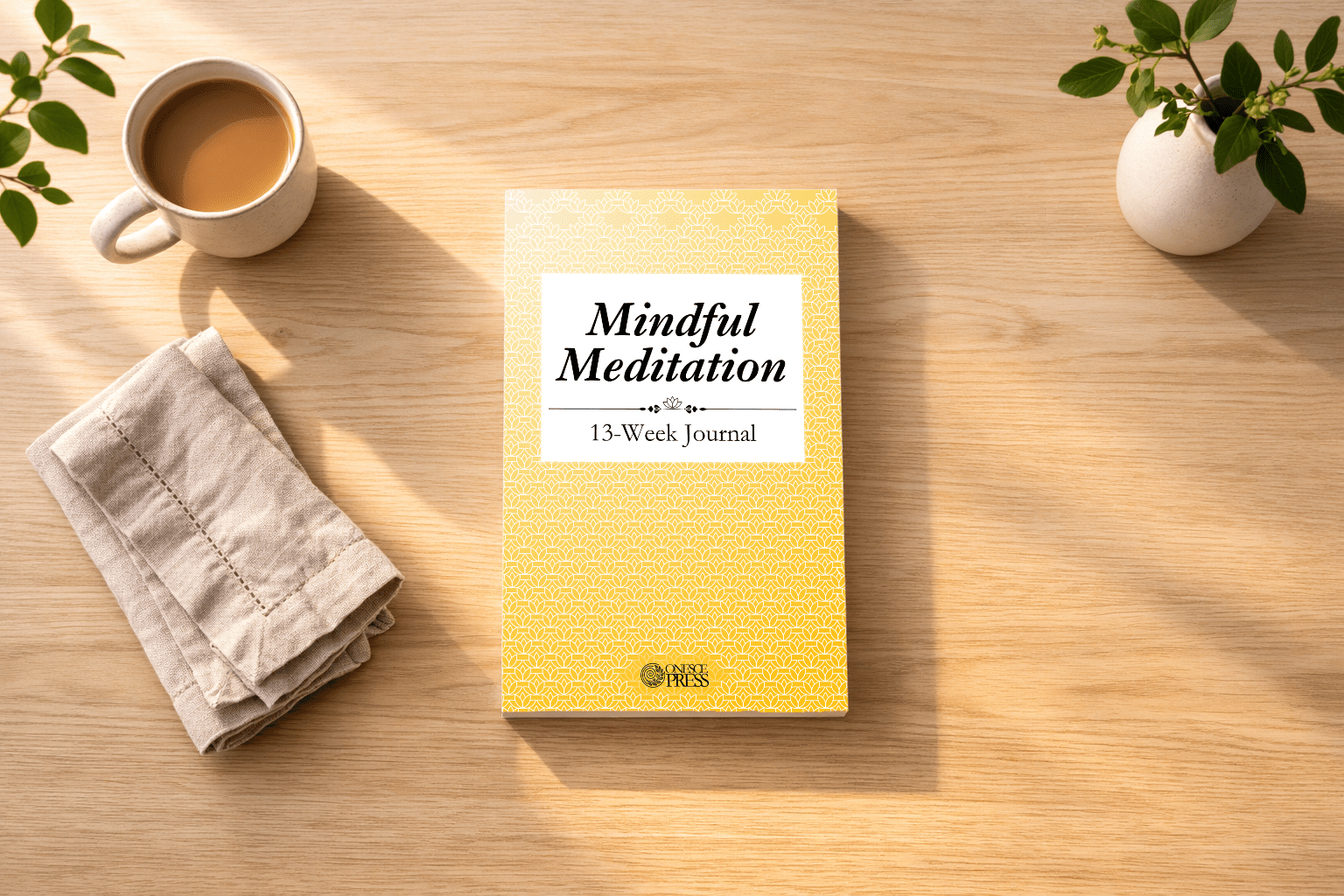
Mindful Meditation
Quiet your “monkey mind,” record your experiences, & deepen your practice.
In response, a trend called the dopamine detox has taken root online. Promising a hard reset through total abstinence, it appeals to our desire for control. However, while the intention behind this type of detoxing is valid, the approach is often unsustainable, causing many of us to miss out on a much more powerful opportunity.
We don’t need to abandon digital life to find peace,
we need to reclaim our power within it.
We’re not powerless in the face of algorithms. With intention and a few simple shifts, we can shape what influences us. On this path, we set out to rediscover a sense of presence, clarity, and choice through mindful consumption, aka dopamine management.
Let’s explore this alternative, and arguably more sustainable path towards peace in our digital age. We’ll uncover how the brain actually responds to digital inputs, what the science says about overstimulation, and most importantly, we’ll learn how we can curate our media environments in ways that support our wellbeing (rather than erode it).

The Science of Dopamine and Digital Influence
To understand why digital consumption affects us so deeply, we first need to understand dopamine. This powerful neurotransmitter plays a central role in how we experience motivation, pleasure, and reward.
However, unlike what many assume, dopamine isn’t about feeling good. It’s actually about wanting. It is the chemical signal that urges us to seek, scroll, check, and refresh. It fuels anticipation, not satisfaction, which is exactly why it’s so easily manipulated by modern media.
Social platforms, news feeds, and even entertainment apps are designed to activate this cycle over and over again. Every like, notification, headline, or recommendation becomes a tiny hit of anticipation. The more novel or emotionally charged the input, the more dopamine is released. The result? A feedback loop that encourages compulsive use—not because we’re weak, but because our brains are doing exactly what they’ve been wired to do.

A review published by World Journal of Psychiatry confirmed that persistent engagement with digital devices stimulates the brain’s dopaminergic system similarly to addictive behaviors. This kind of chronic overstimulation doesn’t just hijack attention, it can actually reshape it, making it increasingly harder to focus on less stimulating, more meaningful tasks.
Consequently, over time we may begin to feel:
- Numbed pleasure: things that once brought us joy (like reading, nature, or conversation) feel flat by comparison
- Reduced motivation: we seek quick stimulation rather than engaging in slower, more rewarding efforts
- Mental fatigue: a persistent sense of distraction, restlessness, or dissatisfaction
These aren’t just mental patterns, they’re neurological ones. However, this doesn’t mean we need to eliminate dopamine or disconnect completely. Dopamine is essential. It’s how we pursue goals, stay curious, and create meaningful change. The key is to manage its flow, rather than be ruled by it. This is why trendy dopamine detoxes often miss the mark, and why sustainable dopamine management can lead to lasting clarity and empowerment.
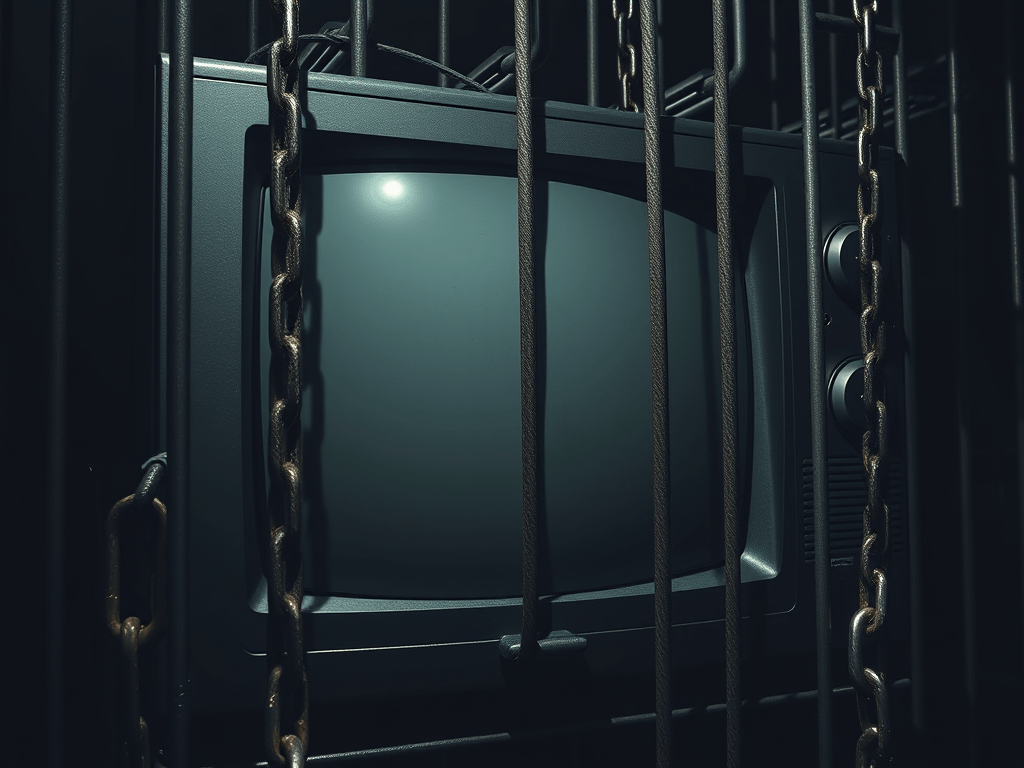
Dopamine Detox vs Dopamine Management
True, the idea of a dopamine detox has become a viral sensation, often making bold promises that if we cut out all stimulation for a period of time, we’ll reset our brains and reclaim our focus. The method? Abstain from anything remotely pleasurable: phones, music, talking, entertainment, and even eye contact. Yet, while the intention behind this practice is valid, the execution often reveals a deeper problem: our craving for extremes.
The truth? Dopamine can’t be detoxed. It’s not a toxin or an external substance! It’s an essential chemical produced by the brain, motivating us to learn, explore, create, and connect. The real goal isn’t to eliminate dopamine, it’s to rebalance our relationship with it.
Quick-fix detoxes often perpetuate the very cycle they’re trying to break: binge, restrict, repeat. We go all in on avoidance for a day or two, then return to the same habits without understanding the deeper patterns at play. So, rather than treating the symptoms, we need to engage with the cause mindfully and sustainably. This is where dopamine management offers a powerful shift in perspective.

Dopamine management starts with personal awareness. Try asking yourself:
- What do I give my attention to, and why?
- How do I feel after consuming certain types of content?
- What environments, habits, or routines actually support and sustain my wellbeing?
This is a practice of discernment, not deprivation. Rather than avoiding pleasure, we become more selective about what kind of stimulation we welcome into our lives and more intentional about how often we engage with it. In these ways, mindful consumption becomes an act of empowerment. It allows us to train ourselves to choose nourishment over noise, resonance over reaction, and fulfillment over fleeting distraction.

Mindful Consumption as Empowerment
If dopamine management is the foundation of a sustainable and healthy relationship with media, then mindful consumption is the daily practice that sustains it. It begins with a simple question:
What are we feeding our minds?
Every scroll, stream, and story we absorb becomes part of our internal landscape. The content we consume influences our emotions, our beliefs, and our attention span—often without our awareness. Mindless consumption keeps us reactive, easily overwhelmed, and disconnected from our own needs. Mindful consumption, by contrast, is a practice of discernment. It’s how we reclaim authorship over our inner world.
Being a mindful consumer means:
- Noticing how content makes us feel (energized or drained, hopeful or anxious, angry or peaceful, etc.)
- Choosing input that aligns with our values and intentions
- Creating space between the impulse to check and the action we take
- Engaging with media in a way that honors our time, our energy, and our nervous systems

Importantly, mindful consumption isn’t about control, it’s about developing a healthy relationship with our devices. It requires us to recognize that the digital world is not neutral. Algorithms, news cycles, and entertainment feeds are curated to capture attention, not necessarily to support wellbeing. However, it also means acknowledging that, with awareness and intentionality, we can begin to reshape what we’re exposed to and how we respond to it.
We can think of our digital environments like gardens. Left unattended, weeds take over, but with care, intention, and periodic tending, they can become places of growth and beauty. Even small shifts—muting one account, pausing before opening an app, or choosing a walk over a scroll—can begin to rewire the nervous system toward safety, clarity, and self-leadership.

Practical Tools for Intentional Digital Living
Mindful consumption becomes most powerful through the daily choices we make about what to engage with, how we engage, and when we consciously choose not to. Rather than relying on willpower alone, we can design our digital environment to support our intentions. Let’s consider some practical strategies that can help us shift our relationships with digital input.
Tend Your Digital Garden
The content we consume shapes our internal worlds. Tending it with intention and care is essential to help it grow into a beneficial influence rather than a drain on our nervous systems.
- Unfollow or mute accounts that trigger comparison, anxiety, or fatigue
- Follow voices, artists, educators, and communities that align with your values
- Unsubscribe from emails or notifications that pull you into urgency or noise
Algorithms learn from our behavior, that means all of our clicks, likes, and watch time will influence what ends up in our feed. This also means that by mindfully engaging only with what uplifts or educates, we can train our feeds to feed us well!
Nurture Your Algorithm with Intention
The key is to remember that every time we scroll, platforms are learning what to show us next. By using these digital tools intentionally, we can generate a positive feedback loop rather than a negative one.
- Actively engage with meaningful content (save, comment, share)
- Scroll past or block content you don’t want more of
- Search for topics or creators that enhance the quality of your feeds
Think of it as energy hygiene for our attention. We’re not just consuming, we’re casting votes with every interaction.

Set Clear Boundaries with Your Devices
Technology can be a powerful tool when it doesn’t rule us. By understanding how our devices affect us, we can make choices that allow them to serve our interests rather than detract from our wellbeing.
- Turn off unnecessary notifications
- Use Do Not Disturb mode during rest, creative time, or meals
- Designate tech-free zones (bedroom, dinner table, sacred spaces, etc.)
- Schedule intentional screen breaks, especially after high stimulation
Your nervous system is not meant to be “on” all day. Protecting your peace is not avoidance, it’s responsible stewardship.
Replace Numbing Habits with Nourishing Ones

Many of us reach for screens when we’re tired, bored, or overwhelmed. However, these moments can also be invitations to explore new rituals.
- Read a few pages from a meaningful book
- Step outside and let your senses reset
- Journal your thoughts instead of escaping them
- Create something (art, food, order, beauty, etc.)
- Breathe. Stretch. Be still.
What truly relaxes us will leave us feeling restored, not depleted. Start experimenting and notice what brings you back to yourself.
Reflect Often and Adjust
It’s important to keep in mind that mindful consumption is not a rigid rule. Changes, adjustments, and adaptations are to be expected because we’re developing relationships with our needs and desires.
- Regularly ask yourself: How do I feel after using my phone/computer/TV/gaming console? Is this type of activity making me more clear or more chaotic?
- Track screen time or emotional patterns if that’s helpful
- Give yourself permission to make new choices as your awareness grows
Remember, you’re not failing when you fall back into old habits, you’re just being invited to begin again. Plus, we often learn the most when we run into challenges!

Alternative Inputs That Truly Nourish
When we reduce overstimulation and reclaim our attention, we create space for something far more meaningful: experiences that restore, inspire, and ground us. The nervous system doesn’t just need less input, it needs better input. Often, that nourishment is found through embodiment, connection, and creativity rather than screens.
There are several sustainable, research-supported alternatives to passive digital consumption. Each of the following ideas are designed to engage the mind and body in a way that promotes true wellbeing.
Read to Reconnect with Focus and Imagination
Books offer what most digital media can’t: a slow, immersive rhythm that cultivates presence and deep thinking.
- Fiction engages empathy and emotional intelligence
- Nonfiction expands curiosity, knowledge, and self-reflection
- Even 20 minutes of reading a day has been shown to reduce stress and improve sleep quality.
Walk to Reset Your Nervous System
Walking—especially in nature—supports clarity, emotional regulation, and creative insight.
- Studies have shown that 20 minutes in nature can significantly reduce cortisol levels
- Gentle movement increases endorphins and enhances executive function
- Walking meditations or silent strolls can anchor mindfulness in motion
Your next breakthrough likely won’t come from scrolling, but from stepping outside.

Create to Express, Integrate, and Play
Creative expression is a direct route to emotional processing and joy.
- Drawing, writing, music, cooking, and crafting stimulate the brain’s reward system without overstimulation
- Creative flow states regulate dopamine naturally, in a fulfilling way
- Expressive arts have been shown to reduce symptoms of anxiety and depression
When you create, you become an active participant in your experience. This allows for deeper satisfaction than we can achieve as passive observers.
Connect in Real Time, in Real Life

Digital connection is fast, but real presence is what truly nourishes us.
- Face-to-face conversation improves mood and enhances feelings of safety
- Eye contact, touch, and laughter regulate the vagus nerve and support co-regulation
- Even brief, meaningful connection has lasting emotional benefits
Schedule time with people who make you feel more like yourself. Let those moments be sacred.
Rest in the Absence of Input
Silence, solitude, and stillness aren’t empty—they’re full of restoration.
- Mind-wandering, when intentional, supports creative problem-solving and memory consolidation
- Restorative rest (without screens) allows our bodies to escape the stress-response loop
- Sleep hygiene improves dramatically when screen time is reduced before bed
Stillness is not unproductive. It is the soil where new clarity takes root.
The goal here is not to “fill the gap” left by devices and media with productivity, it’s to reclaim space for aliveness. The more we choose inputs that support our natural rhythms, the more ease, joy, and vitality become part of our everyday experience.

A Sustainable Lifestyle, Not a Weekend Hack
Mindful consumption isn’t about strict rules or one-off detoxes. It’s not something we do for a few days to “reset” and then forget. It’s a way of living; an opportunity to build healthy relationships with our time, attention, and energy. Furthermore, that relationship doesn’t need to be perfect. In fact, it’s far more powerful when it’s authentic.
The goal isn’t to quit all technology or escape modern life, but to become aware of how we’re engaging with it, how it makes us feel, what it’s costing us, and what we might reclaim if we approached it differently. Mindful consumption means we allow ourselves to find a rhythm that feels aligned to our unique needs and goals, one that honors our wellbeing, while still allowing us to be present and connected in a digital world.

This process of dopamine management isn’t rigid like a dopamine detox. It’s experimental. Some days will feel intentional and empowering, while others might feel scattered or reactive. And that’s okay! The point is to learn to meet our discomfort with curiosity instead of constantly trying to avoid it. Through this process, we start to notice when we reach for distraction, giving ourselves the opportunity to ask: is this helping me come home to myself, or is it pulling me away?
The more we practice these subtle shifts—pausing before opening an app, choosing a walk instead of a scroll, or turning off notifications when we need space—the more they become part of who we are. These things start to happen naturally, not because we forced them, but because we remember how good it feels to be truly present. This is what it means to manage dopamine sustainably. It’s not a rejection of stimulation or joy, it’s a reclamation of how we experience pleasure and wanting. We decide: on our terms, at our time, and in alignment with what actually nourishes us.

Conclusion: By Reclaiming Your Attention, You’re Truly Reclaiming Your Life
Our attention is one of the most sacred things we have. It shapes how we experience the world, how we respond to life, and who we ultimately become. When we give it away to endless scrolls, urgent headlines, or hollow entertainment without intention, we dilute our power. But when we choose to guide it mindfully, we remember something essential: we are not at the mercy of our devices, nor are we passive consumers. We are creators, curators, and conscious participants in our own becoming.
Mindful consumption for dopamine management is an act of self-respect. It’s a methodology that encourages us to tend to the ecosystem of our minds, choosing what we allow to grow. It’s not about cutting everything out, instead helping us make more room for what truly matters, whether that’s rest, creativity, connection, or clarity.
Mindful Meditation
Quiet your “monkey mind,” record your experiences, & deepen your practice.
It’s okay to start small. Turn off one notification, unfollow one voice that no longer aligns, or take a breath before you tap the screen. These aren’t insignificant acts, each one has the potential to be the beginning of a new rhythm. Let your inner peace lead the way and remember: you get to choose how you engage, what you absorb, and how you show up in this world.
Your attention is yours. Your energy is yours. When you reclaim them, even gently, you reclaim something far greater: your presence, your purpose, your power, and your life on your terms.