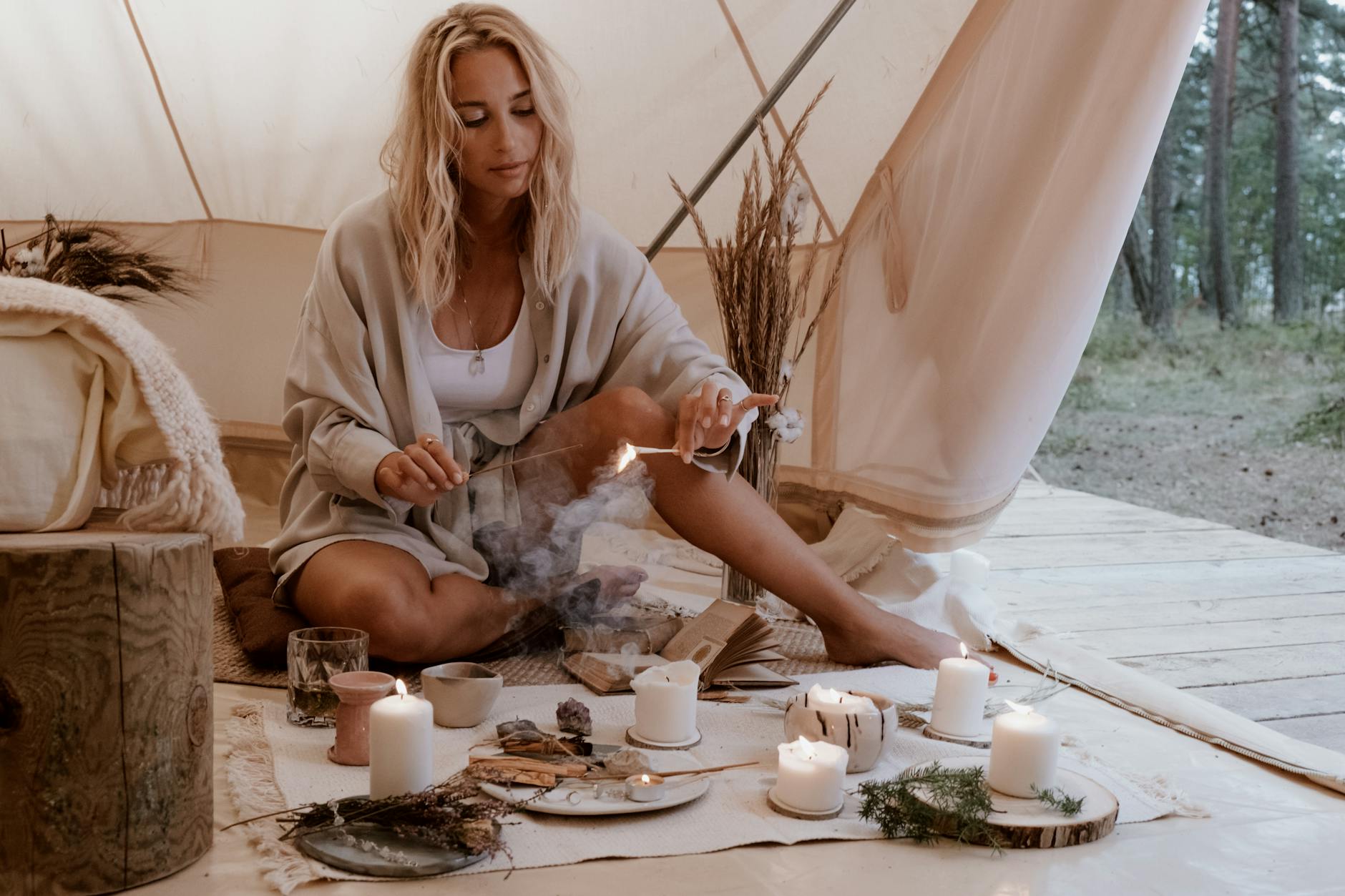
Incense has long been revered across cultures for its ability to transform and sanctify spaces, acting as a bridge between the physical and spiritual worlds. In the wisps of smoke, ancient peoples found a powerful tool to invoke the Divine, cleanse negative energy, and honor the dead. As Samhain marks the thinning of the veil between the living and the dead, it’s the perfect time to incorporate sacred incense into your rituals, drawing on its potent symbolism and scents to deepen your connection with the season’s energies.
For Samhain, certain herbs and resins are especially powerful. For example, frankincense and myrrh, ancient resins long associated with purification and spiritual elevation, are believed to guide spirits toward the light. Similarly, mugwort, known for its connection to divination and ancestral work, has been used for centuries to open the mind and enhance spiritual sensitivity. Blending these and other potent botanicals can creates an intentional incense that supports our Samhain rituals, whether for cleansing, divination, or offering respect to our ancestors.
Sabbat Activity Booklet
Get your free copy of this printable PDF, designed to help you explore any of the Pagan Sabbats!
Creating your own, unique incense blend allows you to infuse your personal intentions into the process, crafting a sensory experience that resonates with your unique spiritual practice. Whether you are preparing it for an ancestorial altar or plan to use it to purify your space before a ritual, the scents you use can help you connect more deeply with the transformative energy of Samhain.

The Use of Incense in Spiritual Practices
The burning of incense is one of humanity’s oldest sacred arts, uniting cultures and religious traditions through a shared reverence for scent and smoke. Long before written language, our ancestors discovered that certain plants—when burned—could alter mood, purify air, and create an atmosphere conducive to spiritual focus. Across millennia, sacred incense has served as a bridge between body and spirit, an offering of transformation where matter becomes energy, and intention becomes prayer.
In ancient Egypt, priests and priestesses used blends of frankincense, myrrh, and kyphi in temple rites. The fragrant smoke was believed to carry prayers upward to the gods while simultaneously disinfecting sacred spaces, serving as a practice that reflected both spiritual and practical wisdom. Similarly, Mesopotamian and Persian traditions burned aromatic resins to invoke deities, mark transitions, and protect against unseen forces. The ingredients chosen often reflected regional flora, symbolizing each culture’s relationship with its land.
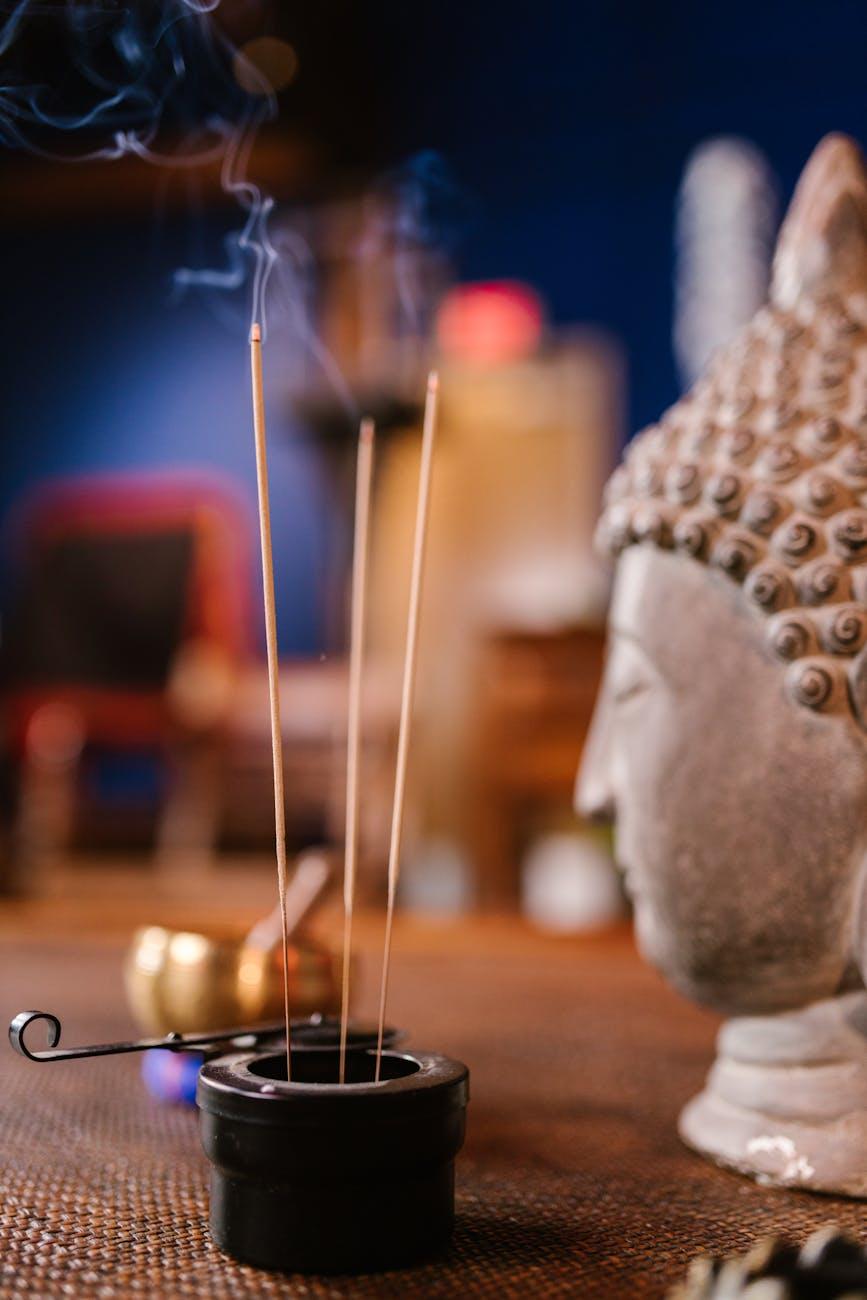
In Hindu and Buddhist practices, incense remains integral to meditation and worship. Known in Sanskrit as dhupa, it is offered to deities as a gesture of devotion and purification. The subtle fragrance helps calm the mind and focus awareness, aligning the senses with spiritual intention. In Taoist China, incense was considered both medicine and prayer, as its rising smoke represented the soul’s journey toward harmony with the cosmos. Temples across Asia still use sandalwood, agarwood, and other precious materials to maintain this ancient connection between humanity and the divine.
Within Indigenous traditions throughout the Americas, the burning of herbs such as sage, cedar, and sweetgrass—often referred to as “smudging”—has been used to cleanse energy and invite spiritual balance. These practices, rooted in reciprocity and respect for the earth, view smoke as a medium for communication with ancestors and nature spirits. Similar customs appeared in Celtic Europe, where juniper, rosemary, and mugwort were burned during seasonal festivals to honor the cycle of the year and protect households.
Despite regional and temporal differences, the use of sacred incense shares a common purpose: transformation. The act of turning solid plant matter into aromatic vapor mirrors the alchemy of spiritual practice: being grounded in the material world while always reaching toward the unseen. Whether in a temple, a forest clearing, or a quiet home altar, incense is a reminder of the universal human desire to connect with something greater than ourselves.

Sacred Botanicals for Samhain
The herbs and resins we burn during Samhain carry more than fragrance, holding centuries of tradition, chemistry, and symbolism. Each botanical embodies a specific vibration, offering a bridge between intention and manifestation. When we understand both the physical and energetic properties of these plants, our ritual work becomes more precise, effective, and personally meaningful.
Frankincense and myrrh are two of the most enduring ritual resins. Rich in natural oils and boswellic acids, they purify the air, promote calm, have synergistic physiological effects, and support meditative focus. Their long history of use in spiritual ceremonies—from ancient Egypt to early Christian rites—speaks to their symbolic role as agents of sanctification. In Samhain rituals, they are often burned together to guide the spirits of the dead toward light and peace while simultaneously uplifting the minds of the living.
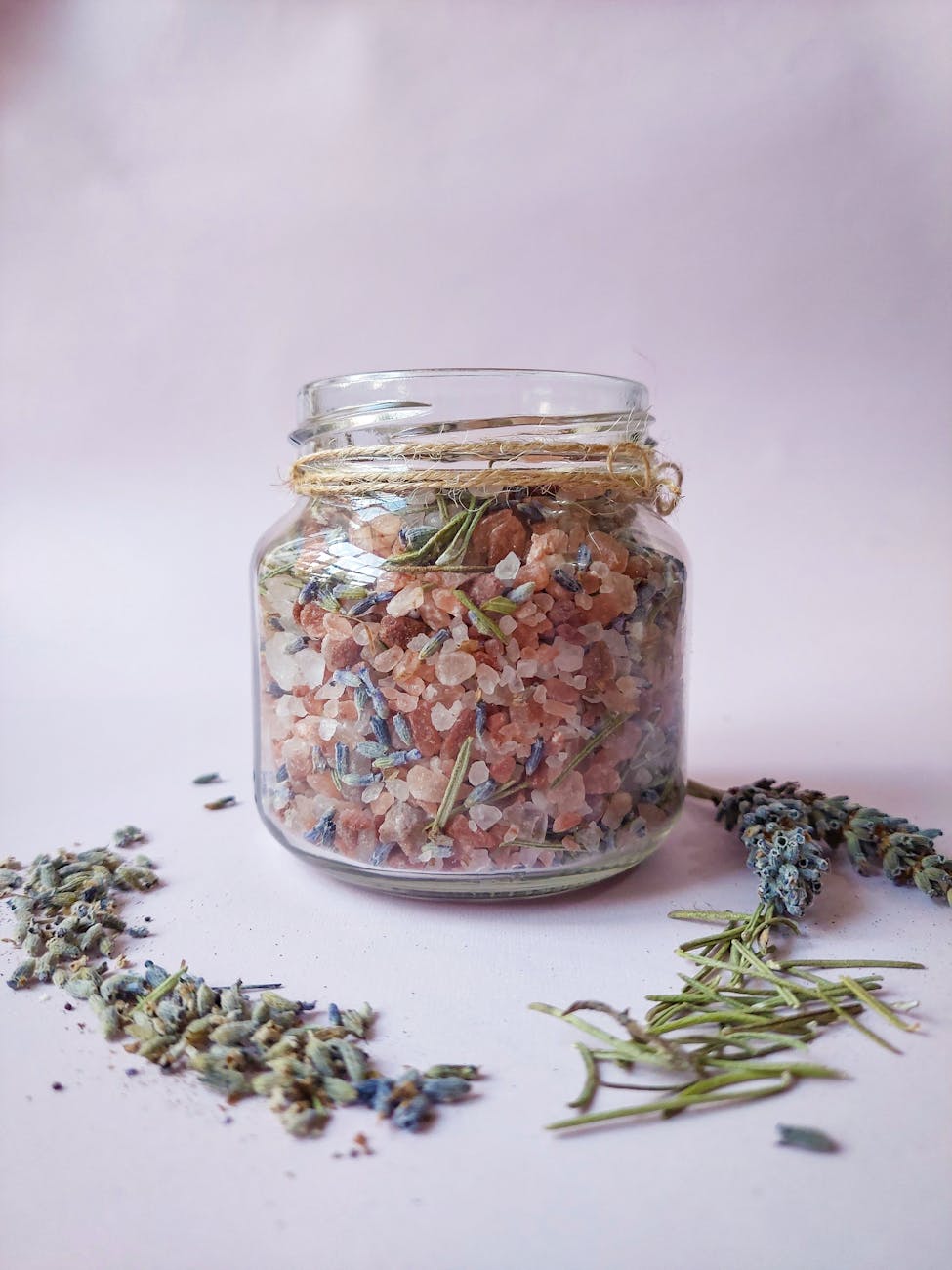
Mugwort is one of the most recognized herbs for divination and dreamwork. Containing volatile oils such as thujone, it naturally stimulates mental clarity and intuition when burned. Traditionally associated with prophecy and protection, mugwort helps open awareness to subtle energies, making it especially useful when the veil between worlds is thin. Lavender may be added to soften mugwort’s sharpness, promoting peace and balance while easing communication with the unseen.
Sage and rosemary are both strong purifiers. Their smoke helps cleanse residual energy and stabilize emotional environments, supporting focus and protection. Chemically, their high camphor and cineole content contributes to their antimicrobial and uplifting effects. In a Samhain context, these herbs help prepare the ritual space, clearing the way for deeper spiritual work.
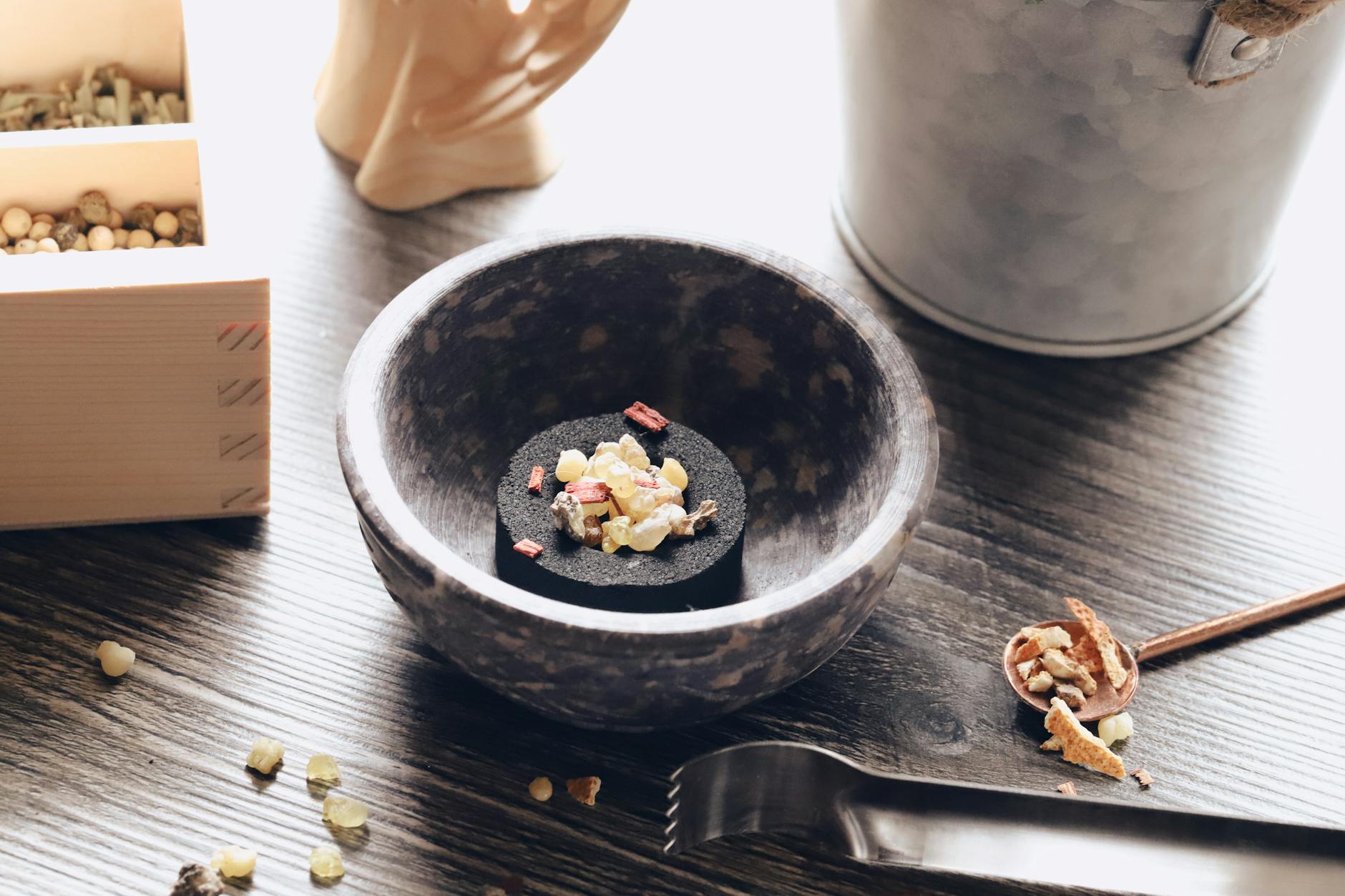
Copal, a resin long used in Mesoamerican traditions, connects directly to the ancestral realm. Its bright, resinous aroma represents renewal and transformation. When blended with myrrh or rose petals, copal’s rising smoke becomes an offering of remembrance and love, honoring those who came before us and reaffirming our connection to their wisdom.
Each of these botanicals can be used individually or blended to suit a specific intention: sage for cleansing and clarity, mugwort for divination and insight, copal for remembrance and ancestral honor, etc.. When combined thoughtfully, their fragrances become more than pleasant aroma, forming a sensuous dialogue between the physical and spiritual, reminding us that ritual is both science and soul in motion.
Additional Customizations
One of the beauties of crafting your own sacred incense is the ability to tailor it to your personal preferences. Here are a few ways to customize your blends:
- Scent Preference: If you prefer sweeter scents, add a few drops of vanilla or cinnamon essential oil to your mix. For a more earthy blend, include patchouli or cedar.
- Herb Substitutions: Not all herbs may be readily available, so feel free to substitute. For example, if you don’t have mugwort, try wormwood or juniper for similar properties. If you lack sage, thyme or pine can be effective alternatives.
- Personal Significance: Add herbs or flowers with personal meaning. Perhaps you include marigolds to honor a departed loved one or pine needles to symbolize protection.
Sacred Incense for Samhain Craft
An act of mindful creation that unites intention and sensory experience into a single sacred tool.
When we blend herbs, resins, and oils by hand, we engage in both art and science: understanding the chemical reactions that produce scent while attuning to the energetic qualities each plant contributes. This process transforms incense from a simple aromatic mixture into a personal expression of spiritual alignment. It invites us to move from passive consumption to active participation, forming a deeper relationship with the materials we use and the purpose we hold. In doing so, incense-making becomes a meditative practice of devotion and design, one that refines focus, reinforces intention, and connects us more directly to the natural and unseen forces we seek to honor.
Materials:
- Dried herbs (mugwort, sage, rosemary, lavender, etc.)
- Resins (frankincense, myrrh, copal, etc.)
- Essential oils (optional for added potency or scent variation)
- Charcoal discs
- Mortar and pestle
- A small jar
- Tongs
- Lighter
- A fireproof dish
- A fireproof spoon
Instructions:
Step #1: Set Your Intentions
Before blending your incense, reflect on the purpose of your ritual. Are you seeking to cleanse your space of stagnant energy? Are you creating an offering for your ancestors? Or are you preparing for a session of divination to gain insight for the months ahead? Let your intentions guide which herbs, resins, and oils you choose.
Step #2: Gather Your Ingredients
Once you’ve decided on your intentions, gather the herbs, resins, and oils that align with your goal. You can use either loose dried herbs or pre-ground powders, but the act of grinding your own herbs and resins may help you create a more potent and personalized blend.
Step #3: Grind the Herbs & Resins
Using a mortar and pestle, grind your chosen herbs and resins together. As you do, focus on your intention for the incense. Visualize the energy of the herbs working in harmony to support your ritual. The grinding process releases the oils and fragrances of the plants, activating their energetic properties. Here are a few examples of intentional blends:
- Cleansing: Equal parts sage, rosemary, frankincense, and myrrh.
- Divination: Combine mugwort and lavender (adding a few drops of essential oils like sandalwood or clary sage in the next step).
- Ancestor Offerings: Blend myrrh, copal, and a pinch of dried rose petals to symbolize love and remembrance.

Step #4: Mix Your Blend
Once the herbs and resins are ground to your desired consistency, transfer the mixture to your small jar for storage. At this stage, you can add a few drops of essential oil to amplify the fragrance and potency of the blend. Stir gently, infusing the oil into the herbs. The blend should be fragrant but not wet, so use the oils sparingly.
Step #5: Lighting Your Charcoal Disc

When you’re ready to burn your loose incense, light a charcoal disc using tongs and a lighter. Place the disc in a fireproof dish and allow it to heat for a few minutes until it’s fully glowing and ready to burn your blend. Charcoal discs burn hot and fast, so always be extra cautious when handling them.
Step #6: Burning the Incense
Using a spoon, sprinkle a small amount of your sacred incense blend onto the glowing charcoal. The smoke will begin to rise, carrying the scent and energy of your herbs into the air. Focus on your intention as the incense burns, whether it’s to cleanse, connect, or honor. Here are some examples for how you might work with the smoke:
- Cleansing: Waft the smoke around your space, particularly focusing on mirrors, corners, windows, and doorways.
- Divination: Allow the smoke to encircle you as you sit in preparatory meditation or work with your tools, opening your mind to messages and insights.
- Ancestor Offerings: Place the incense on your altar, allowing the smoke to rise as an offering to those who have passed.
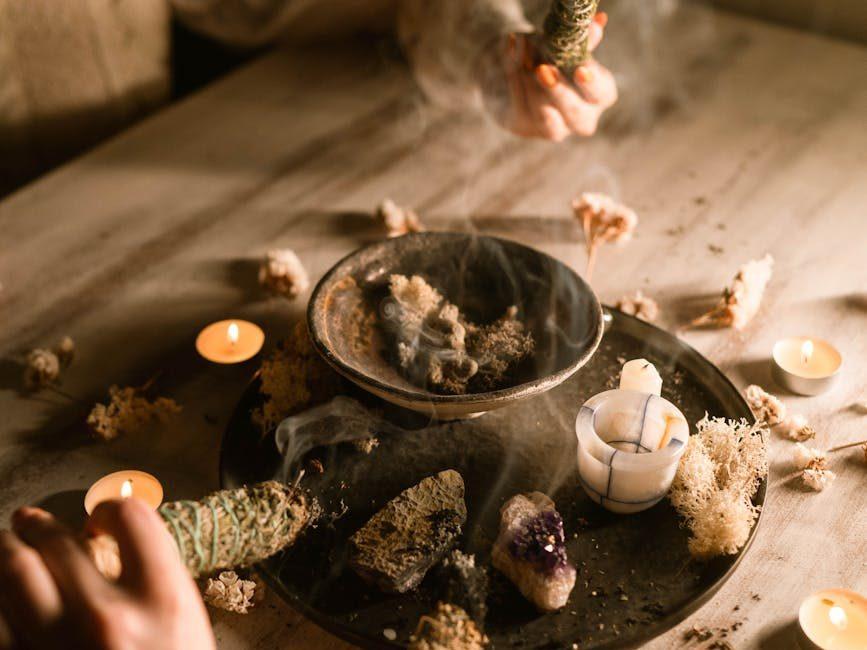
When we burn incense we’ve crafted ourselves, we participate in a cycle of transformation that is both physical and spiritual. The heat releases the volatile oils of the plants, changing solid matter into fragrant vapor, serving as a mirror for the unseen shifts occurring within us during ritual. As the smoke rises, it carries not only the scent of herbs and resins but also the energy of our own mindfulness and care. In these ways, our sacred incense is more than fragrance or smudge—it is evidence of our devotion, a bridge between action and awareness, and a reminder that sanctity can always found in what we consciously create.
Conclusion: Creating Sacred Incense for Samhain Is a Beautiful Way to Honor the Sabbat
As Samhain approaches, we are reminded that transformation is both an ending and a beginning. The act of crafting incense from natural elements—herbs, resins, and oils—reflects this truth. In shaping these materials by hand, we honor the cycles of life, death, and renewal that define the season. Each step of the process, from selecting botanicals to lighting the charcoal, invites us into deeper awareness of our own creative potential. We become participants in an ancient lineage of makers and mystics who understood that what we create with intention carries power beyond its physical form.
When we burn the sacred incense we have crafted, whether at Samhain or in other rituals, we are continually reengaging with these subtle yet profound forces. The fragrance that fills the air is not only pleasing to the senses, it is an energetic signature of our focus and devotion. Whether offered to ancestors, used for cleansing, or burned to open the mind to insight, each wisp of smoke can remind us of the connection we’ve cultivated through our intentional presence.
Sabbat Activity Booklet
Get your free copy of this printable PDF, designed to help you explore any of the Pagan Sabbats!
May this Samhain season encourage us all to slow down, reflect, and reconnect with what is truly sacred. Whether through the mindful creation of incense or other seasonal rituals, may we find a way to honor the past while preparing space for what is yet to come. In this time of sacred exchange between earth and spirit, may we rediscover the quiet joy of creation and the steady truth that we are all integral parts of the ongoing rhythm of renewal.
Thank you for joining us here on Onescence! If you enjoyed this article, please consider supporting our free, online periodical by purchasing one of our products through Onesce Press. Given your interest in the convergence of rituals and natural cycles, perhaps you would benefit from:
Moon Cycle Journey

JOURNAL FEATURES:
- Learn about the rhythms of the lunar cycle and how to apply them to your own journey.
- Explore your cycle goals, developing and working with your own authentic intentions.
- Discover the power of personal feedback for enhancing and sustaining progress.
- Utilize daily/nightly journal prompts that are designed to bring out your best.
- Experiment with simple ritual ideas and when to employ them throughout the cycle.
- And so much more…
You can also get your copy on Amazon and begin your journey with the next moon cycle!