

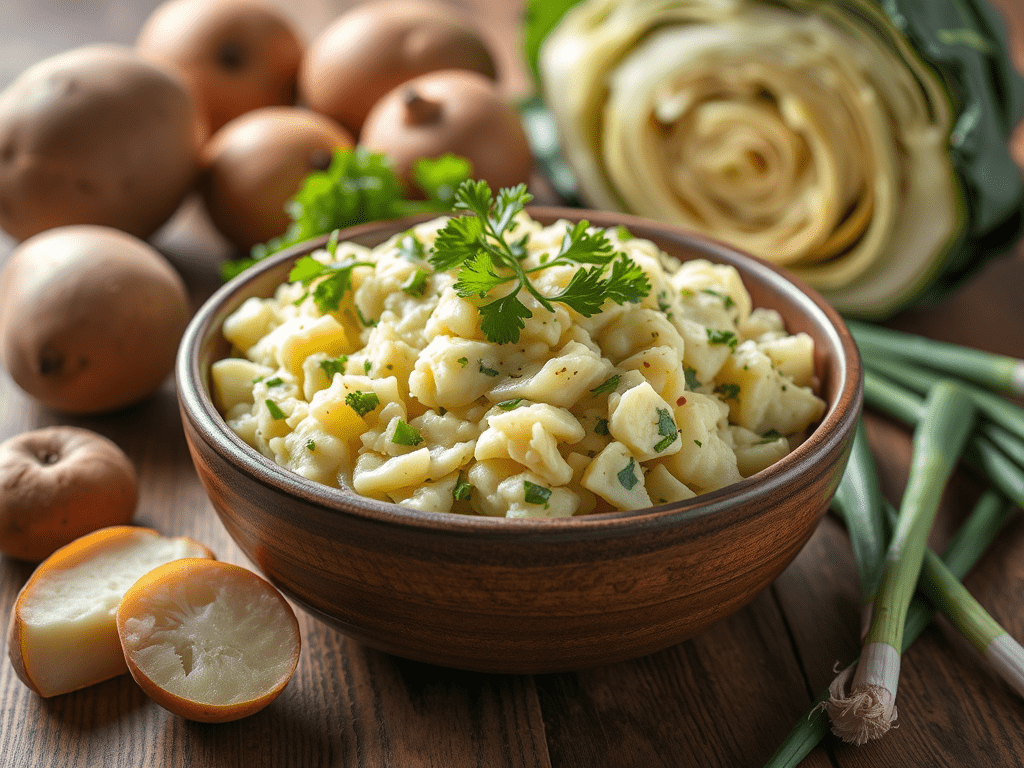
Imbolc is a time to celebrate the slow but certain return of life after the dark winter months. Rooted in agricultural traditions, this Sabbat reflects the themes of nourishment, sustenance, and renewal. One of the simplest yet most meaningful ways to honor this seasonal shift is by preparing and enjoying traditional dishes. Colcannon, a classic Irish recipe blending potatoes, greens, and butter, embodies Imbolc’s connection to the hearth and home.
Let’s explore the history and symbolism of Colcannon as a seasonal dish, consider its role in Imbolc celebrations, and then look at a recipe for making our own nourishing version—complete with modern twists to suit diverse preferences.

Historical and Cultural Significance
Colcannon derives its name from the Gaelic “cal ceann fhionn,” meaning “white-headed cabbage.” This hearty dish of mashed potatoes and cabbage or kale was a staple in Irish households for centuries, especially during colder months when these ingredients were readily available. It served as a symbol of sustenance and simplicity, reminding people of Earth’s capacity to provide even during lean times.
In the context of Imbolc, Colcannon takes on additional meaning. The dish’s roots (literally and figuratively) align with the agricultural significance of this Sabbat, which honors the early stirrings of spring and the promise of future abundance. Sharing this meal during Imbolc connects us to the cycles of the land and the nourishment it provides.

Traditional Colcannon
Before preparing your Colcannon, gather these ingredients. We’ve also included some optional substitutions to accommodate dietary needs.
Ingredients
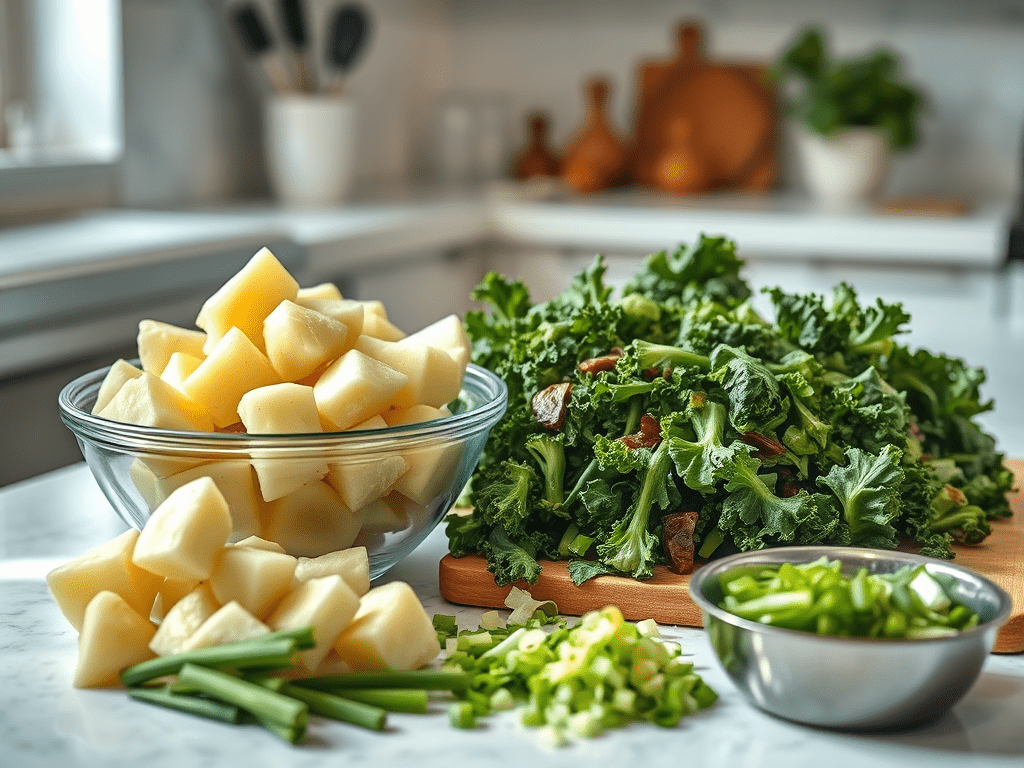
- 4 large potatoes (Yukon Gold or russet work well)
- 1 small head of green cabbage or 3 cups of kale (chopped)
- 4 green onions (finely sliced)
- ½ cup heavy cream or milk (for a lighter version)
- ¼ cup butter (unsalted, preferably grass-fed)
- Salt and pepper to taste
Optional Substitutions:
- Potatoes: Use sweet potatoes for added sweetness and a nutritional boost.
- Dairy-Free: Substitute plant-based butter and milk (e.g., oat, almond, or soy).
- Additional Greens: Add leeks, spinach, or chard for a more complex flavor.
Preparing Colcannon
1. Prep. the Ingredients
- Peel and Chop the Potatoes: Peel the potatoes and cut them into evenly sized chunks to ensure they cook uniformly.
- Prepare the Greens: Remove tough stems from the kale or cabbage and chop the leaves into bite-sized pieces.
- Slice the Green Onions: Finely slice the green onions and set them aside for garnish and mixing.
2. Cook the Potatoes and Greens
- Boil the Potatoes: Place the potato chunks in a large pot of salted water. Bring to a boil and cook until fork-tender (approximately 15-20 minutes).
- Blanch the Greens: While the potatoes cook, blanch the cabbage or kale in a separate pot of boiling water for 2-3 minutes, then drain and set aside.
3. Combine the Ingredients
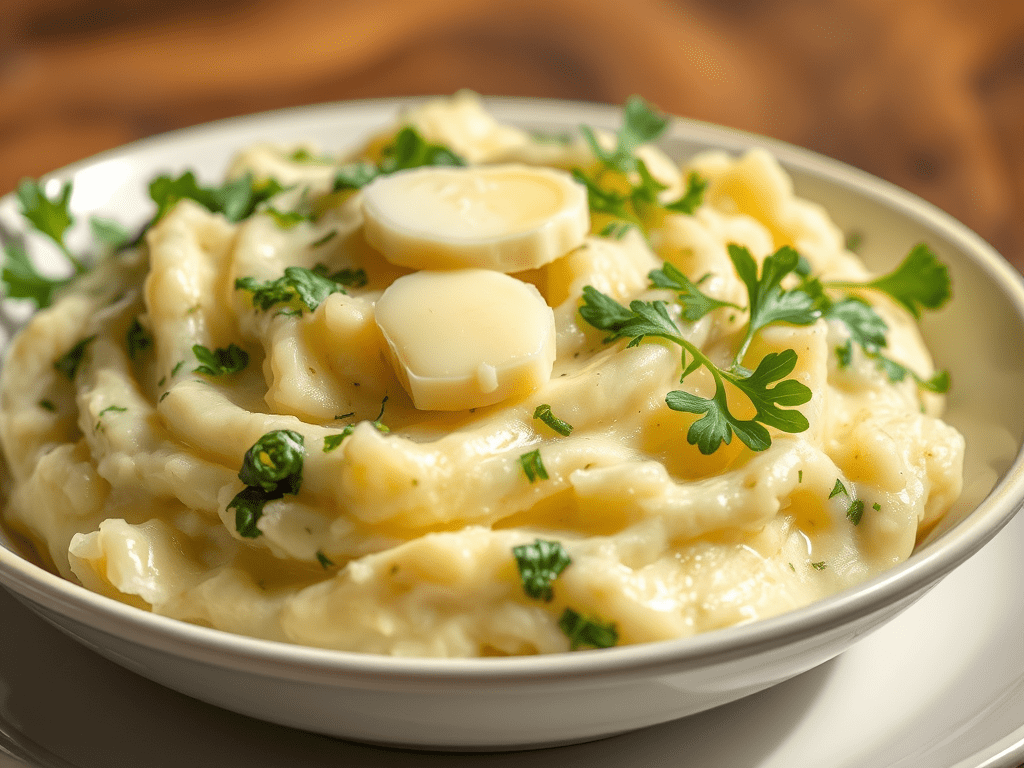
- Mash the Potatoes: Drain the cooked potatoes and return them to the pot. Mash them with a potato masher until smooth.
- Incorporate Butter and Cream: Add the butter and cream (or plant-based alternatives) to the mashed potatoes, mixing until creamy.
- Fold in the Greens: Gently fold the blanched greens into the mashed potato mixture.
- Season to Taste: Add salt, pepper, and a bit of nutmeg (optional) to enhance the flavor.
4. Garnish and Serve
- Plate and Enjoy: Serve the Colcannon warm as a side dish or a main course paired with seasonal accompaniments.
- Add a Pat of Butter: Serve with an extra pat of butter melting on top for a traditional touch.
- Top with Green Onions: Sprinkle the sliced green onions over the finished Colcannon.

Modern Variations and Enhancements
While the traditional recipe holds its charm, experimenting with Colcannon can make it more versatile and personalized:
- Herb-Infused Butter: Mix softened butter with fresh herbs like parsley, thyme, or dill for an aromatic twist.
- Cheesy Colcannon: Add grated Irish cheddar or Parmesan to the potato mixture for a richer flavor.
- Vegan Option: Enhance the plant-based version with nutritional yeast for a cheesy, umami depth.
- Protein Addition: Incorporate crispy bacon, smoked salmon, or roasted chickpeas for added texture and heartiness.
Celebrating Imbolc with Colcannon
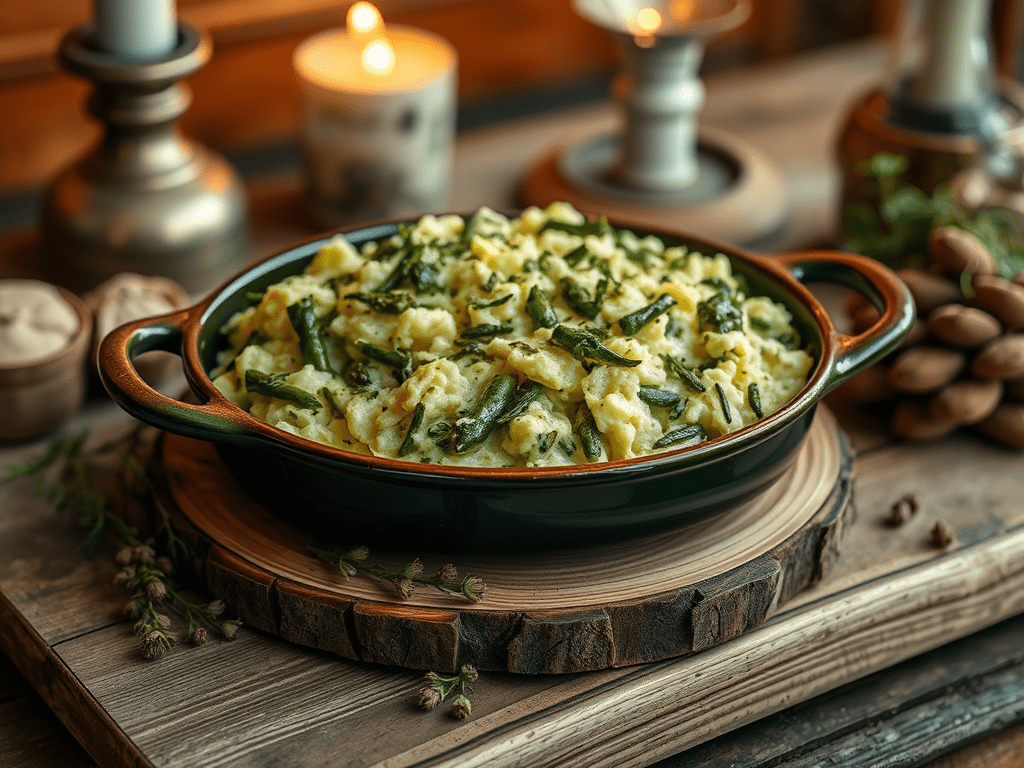
Colcannon is more than a delicious dish; it’s a reminder of our connection to the land and its rhythms. Here are a few ways to incorporate Colcannon into your Imbolc celebration:
- Shared Feasts: Serve Colcannon at a family or community meal, fostering connection and gratitude.
- Ritual Nourishment: Enjoy a bowl of Colcannon as part of a personal or group Imbolc ritual, reflecting on the sustenance Earth provides.
- Offerings: Place a small portion of Colcannon on your altar as an offering to Brigid or the spirits of the land.
- Mindful Eating: Use the process of making and eating Colcannon as a meditative practice, focusing on the seasonal themes of growth and renewal.
Reflection: Gratitude for Earth’s Abundance
As you prepare and savor Colcannon, take time to reflect on your relationship with Earth and its cycles. Consider these journaling prompts to deepen your experience:
- What sources of nourishment (physical, emotional, or spiritual) am I most grateful for?
- How can I honor Earth’s gifts in my daily life?
- In what ways can I share sustenance and support with my community?
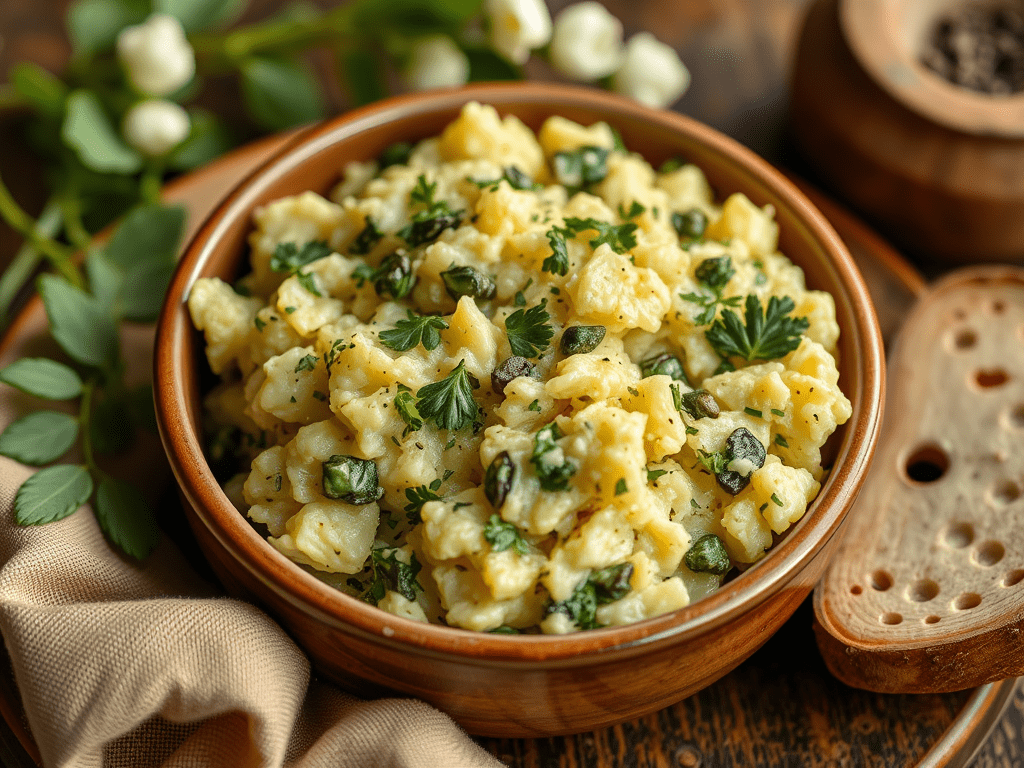
Conclusion: Colcannon Roots Us in Tradition, Nourishing Us This Season
Making and sharing Colcannon for Imbolc is a beautiful way to honor the season’s themes of nourishment, connection, and renewal. By blending ancient traditions with modern creativity, we cultivate a sense of continuity and gratitude for Earth’s gifts.
As you celebrate Imbolc, may this dish bring warmth to your table, joy to your heart, and a deeper appreciation for the cycles of life. Whether enjoyed with loved ones or as a quiet moment of reflection, Colcannon connects us to roots of tradition and the promise of new growth.