

Duration: 11 minutes
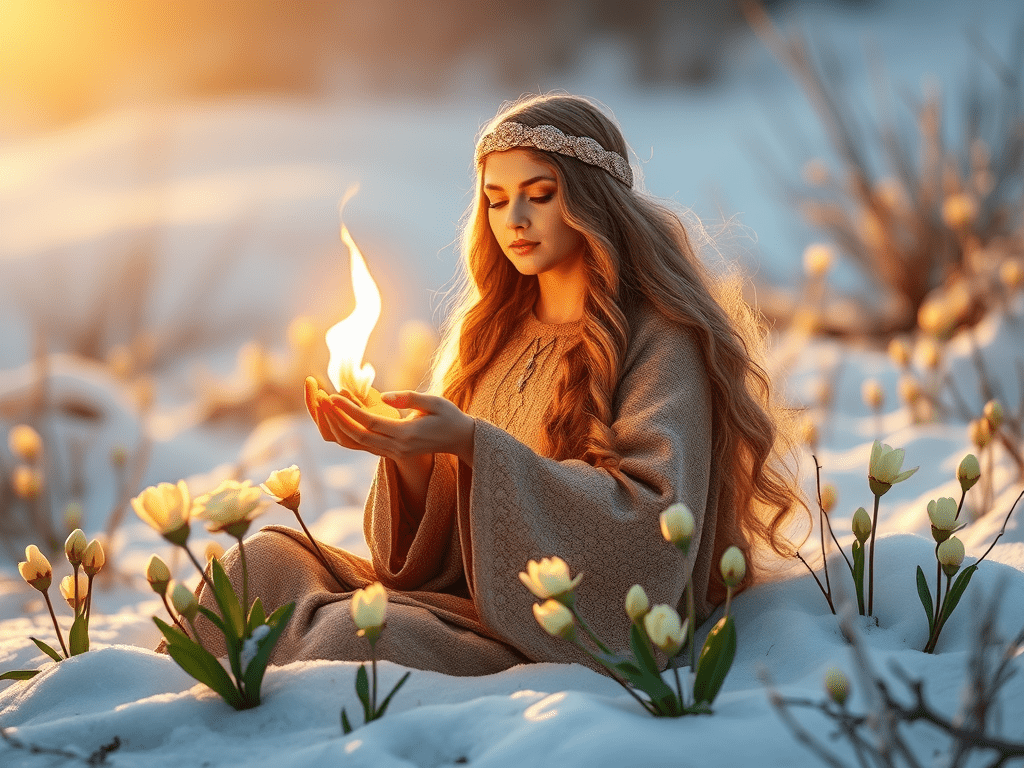
Occurring on February 1st and 2nd, Imbolc marks the halfway point between the Winter Solstice and the Spring Equinox with a festival of light, renewal, and inspiration. Rooted in ancient Celtic traditions, Imbolc is a time to honor the growing presence of the sun, the stirring of new life beneath the soil, and the creative spark that fuels our personal and spiritual growth.
For many, Imbolc is synonymous with Brigid, the goddess of fertility, poetry, healing, and smithcraft. Her flame burns as a beacon of transformation, urging us to clear away stagnation and prepare for the new cycle ahead.
Let’s explore the origins and evolution of Imbolc, its connection to the shifting seasons, and look at similar traditions from all around the world. We’ll also consider some ways we can integrate the wisdom of this Sabbat into our modern lives.

Changing Light, Seasonal Transitions
Imbolc aligns with a significant shift in the natural world—the noticeable lengthening of daylight hours. While winter’s grip still holds, the promise of spring is undeniable. This shift is deeply tied to the Earth’s axial tilt and its movement around the sun, influencing everything from plant cycles to animal behaviors.
The Solar Influence
As the sun returns to prominence, our internal rhythms respond. Many cultures across the globe have marked this period as one of purification, renewal, and anticipation. In ancient times, the increased daylight signified hope and abundance on the horizon, reinforcing the importance of fire and illumination in Imbolc traditions.
Sabbat Activity Booklet
Get your free copy of this printable PDF, designed to help you explore any of the Pagan Sabbats!
The Biological Impact
Seasonal shifts influence our energy levels, mood, and biological processes. The increased sunlight exposure boosts serotonin production, enhancing motivation and clarity. In the past, agrarian communities relied on this transition to begin preparations for planting, aligning their activities with the rhythms of the earth.
Sacred Cycles in Nature
As winter loosens its grip, early signs of new life appear. Snowdrops, often called ‘Brigid’s Flowers,’ are among the first to bloom, symbolizing hope and renewal. The behavior of animals also shifts—birds begin mating rituals, and livestock show signs of the upcoming birthing season. Observing these natural cues offers a way to connect more deeply with Imbolc’s energy.
Brigid: Keeper of the Sacred Flame
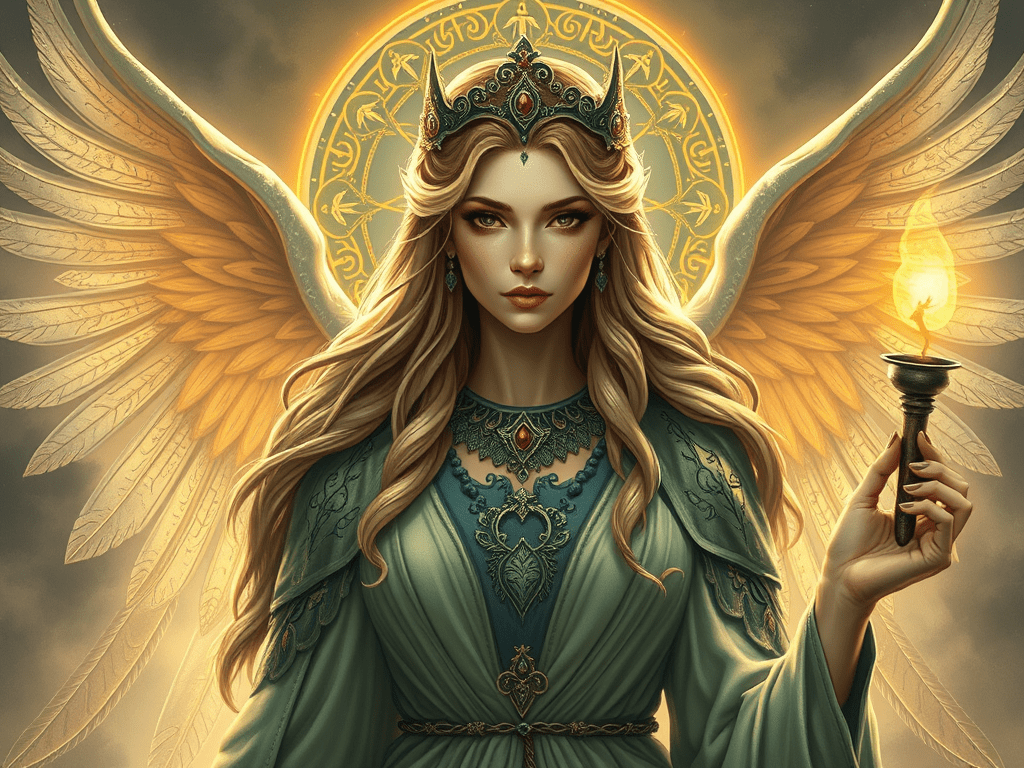
Brigid stands at the heart of Imbolc as a goddess revered for her connection to fire, fertility, and creative expression. Her influence spans multiple traditions, blending myth with practical aspects of daily life.
Origins and Evolution of Lore
As the archetype interwoven into the themes of Imbolc, Brigid’s veneration dates back to pre-Christian Ireland. In Celtic traditions, she was honored as a triple goddess embodying poetry, healing, and smithcraft. With the rise of Christianity, she became Saint Brigid, bridging the gap between Pagan and Christian traditions. Her sacred flame, once tended by priestesses, continued to burn in Kildare under Christian nuns, preserving her legacy.
Sabbat Activity Booklet
Get your free copy of this printable PDF, designed to help you explore any of the Pagan Sabbats!
Brigid’s Fire: Symbolism and Rituals
Fire is central to Imbolc, representing transformation, purification, and creative inspiration. Lighting candles, tending hearth fires, and invoking Brigid’s blessings are all ways to honor her energy. Many practitioners craft Brigid’s crosses from rushes or wheat, weaving protection and prosperity into their homes.
Sacred Waters and Wells
Alongside fire, water holds significant meaning in Imbolc celebrations. Holy wells dedicated to Brigid were visited for blessings and purification. Water’s reflective nature symbolized inner clarity, making it a tool for divination and spiritual renewal.
A Patron of Creativity
Beyond her association with elements, Brigid is also seen as a muse for poets, artists, and healers. Many honor her by engaging in creative practices during Imbolc, from writing poetry to crafting new works of art. This act of creativity serves as both a devotional practice and a way to invite inspiration into one’s life.
Imbolc’s Agricultural Influence
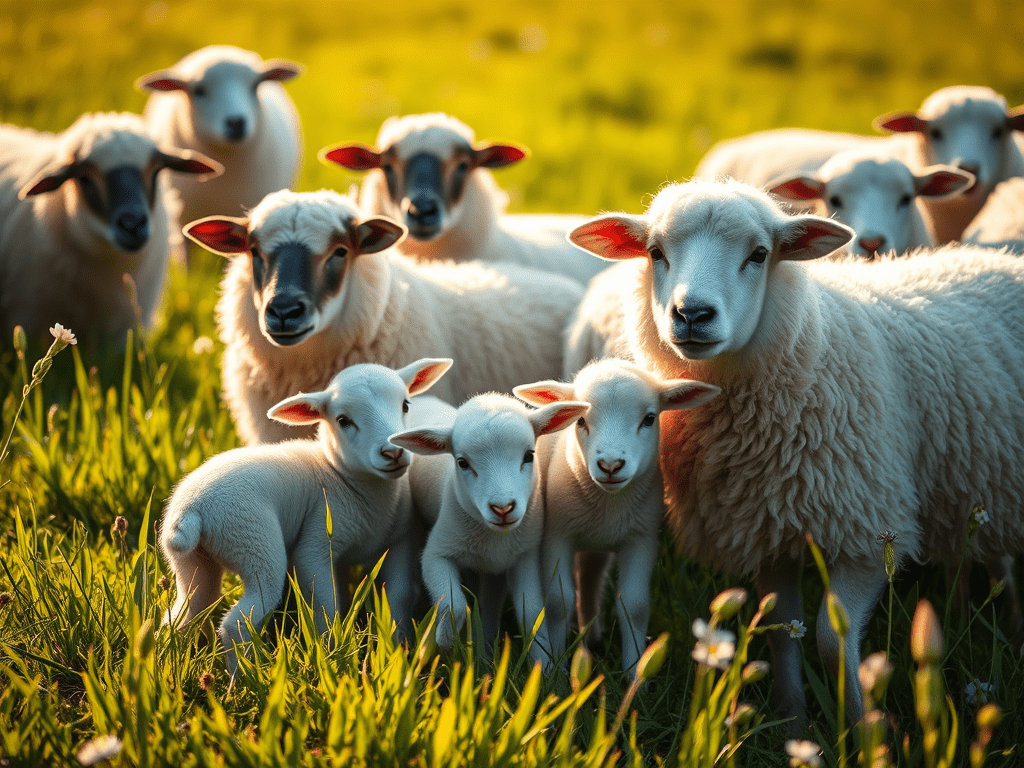
Traditionally, Imbolc signified the start of lambing season and the first stirrings of spring. The connection between livestock, fertility, and sustenance made this festival essential for early societies. For these reasons, offerings of milk, dairy-based foods, and seeds became common as symbols of hope for a prosperous season ahead.
Celebratory Feasting
Food plays an important role in Imbolc traditions, with meals centered around dairy, grains, and seasonal vegetables. Dishes like colcannon, oatcakes, and spiced milk embody the nourishment of the season, grounding celebrants in both history and physical sustenance.
The Wheel of the Year
Imbolc is one of the four Gaelic seasonal or “fire-festivals,” along with Beltane, Lughnasadh, and Samhain. Each marks a pivotal moment in the cycle of the seasons, embodying unique themes and practices.
Sabbat Activity Booklet
Get your free copy of this printable PDF, designed to help you explore any of the Pagan Sabbats!
Similar Festivals Around the World
Imbolc is not a solitary festival in its themes of light and renewal. Many cultures across the world have recognized and honored the shift from winter to spring, celebrating in ways that reflect similar ideas of purification, preparation, and hope.
By exploring these parallel traditions, we can gain a deeper understanding of how human cultures, across time and geography, have responded to the rhythms of the natural world. Let’s explore some of these similar traditional festivals:
Candlemas (Christian Tradition)
Celebrated on February 2nd, Candlemas marks the purification of the Virgin Mary and the presentation of Jesus at the temple. It involves the blessing of candles, reinforcing the theme of light returning to the world. In addition to sharing its time of observance, this festival also retains many of the fire and renewal motifs found in Imbolc.
Setsubun (Japanese Tradition)
Setsubun, which actually translates to “seasonal division,” is a Japanese festival that is also celebrated in early February. People participate in ritual purification by throwing roasted soybeans to drive away evil spirits and welcome good fortune. This custom mirrors the cleansing and protective aspects of Imbolc rituals.

Lupercalia (Roman Tradition)
Lupercalia, held in mid-February in ancient Rome, was a festival of fertility and purification. It included ceremonies to banish negative influences and encourage new life, reflecting the themes of renewal and transformation that Imbolc also celebrates.
Vasant Panchami (Hindu Tradition)
Vasant Panchami, observed in India, celebrates Saraswati, the goddess of wisdom, learning, and creativity. Taking place in late January or early February, it honors knowledge and the coming of spring, much like Imbolc’s association with Brigid and inspiration.
Dziewanna Festival (Slavic Tradition)
Some Slavic traditions honor Dziewanna, a goddess associated with the returning sun and the new agricultural cycle. These observances, often occurring in late winter, celebrate fertility, fire, and protection—core themes also found in Imbolc.

Merging Tradition with Practice
While the ancient world followed agrarian cycles, modern practitioners often seek ways to adapt Imbolc’s wisdom to contemporary life. Here are ways to celebrate Imbolc in alignment with both tradition and personal intention:
Candle Rituals for Illumination
This type of observance can be as simple as lighting candles at dusk to symbolize the return of the sun and our own inner illumination. Choose colors associated with Imbolc—white, gold, and green—to enhance the connection to purity, light, and new growth. Make this type of ritual even more special by using homemade candles.
Brigid’s Cross and Protective Talismans
Weaving Brigid’s Cross or crafting protective charms fosters a sense of connection to ancestral traditions. These symbols invite protection, prosperity, and blessings into the home.
Sabbat Activity Booklet
Get your free copy of this printable PDF, designed to help you explore any of the Pagan Sabbats!
Seasonal Feasting and Nourishment
Traditional foods such as Irish Colcannon, dairy-based dishes, oatcakes, and spiced drinks honor the agricultural themes of Imbolc. Preparing and sharing a meal mindfully reinforces gratitude for the earth’s bounty.
Reflection and Intentions for Renewal
Imbolc is a time for nurturing our inner clarity. Journaling, meditation, and vision board creation help articulate goals for the coming months. Some use this period for divination, seeking guidance through tarot, runes, or scrying.
Sacred Offerings to Nature
Leaving offerings of milk, honey, or bread to nature spirits and ancestors expresses reverence and gratitude. This practice acknowledges the interconnectedness of life and the continual cycle of giving and receiving.

Conclusion: Imbolc Traditions Support Harmonious Seasonal Transitions
Imbolc bridges the darkness of winter with the promise of spring, reminding us that growth often begins in the unseen depths before emerging into the light. Whether through fire rituals, sacred crafting, or personal reflection, embracing this festival’s themes allows us to align with nature’s rhythms and cultivate renewal within ourselves.
Considering similar festivals from all across the world, we see how deeply ingrained in the human experience these transitions are. Whether through fire rituals, sacred crafting, or personal reflection, embracing this festival’s themes allows us to align with nature’s rhythms and cultivate renewal within ourselves.
As we celebrate Imbolc, we honor the wisdom of the past while shaping a future infused with intention, creativity, and resilience. However we choose to mark this sacred time, may the growing light inspire us to step forward with clarity, purpose, and a deepened connection to the cycles that guide us.