

༻ Fulfill ༺

Litha Sunflower Seed Bread Recipe
A fun & simple craft, using all natural ingredients.
⏱ 60-90 min. to complete
Few foods reflect the relationship between people, seasons, and the land as completely as bread. Made from ingredients that require time, sunlight, water, effort, and patience, bread transforms the gifts of a season into something tangible and nourishing. Across cultures and throughout history, baking has often marked celebrations, harvests, transitions, and gatherings, making it a natural companion to seasonal observances like Litha and the Summer Solstice.
The Summer Solstice celebrates the longest day of the year and the abundance visible throughout the natural world at this time. Gardens are flourishing, pollinators are active, and the first signs of the growing season’s efforts can be seen almost everywhere we look. Litha therefore invites us to pause and appreciate this fullness, not only as observers of nature, but as participants within it. Preparing seasonal foods offers one simple and meaningful way to engage with that relationship.
Sabbat Activity Booklet
Get your free copy of this printable PDF, designed to help you explore any of the Pagan Sabbats!
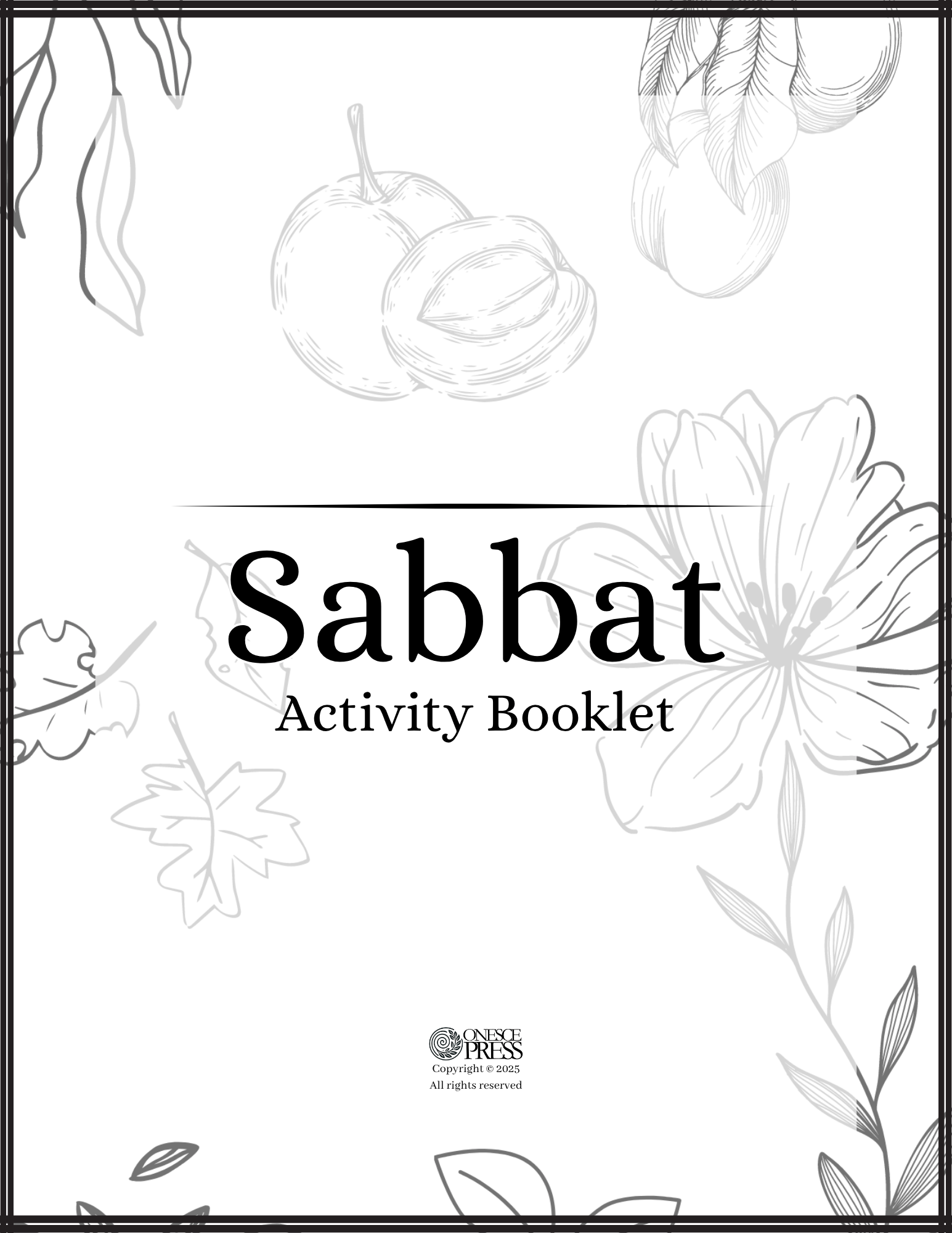
Let’s explore how to make a nourishing loaf of sunflower seed bread for your Litha celebration, while also considering the symbolism of seasonal ingredients, the role of intention in the kitchen, and the ways everyday acts like baking can help us connect more deeply with the rhythms of the year. Whether shared with loved ones or enjoyed during a quiet Summer Solstice meal, this recipe offers a delicious way to celebrate the season.

Sunflowers as Solar Symbols for Litha
Few plants capture the visual character of midsummer as immediately as sunflowers. Their bright yellow blooms, towering height, and tendency to orient themselves toward sunlight have made them enduring symbols of warmth, vitality, and seasonal abundance. While different cultures have interpreted sunflowers in different ways throughout history, their association with the sun has made them a natural addition to Summer Solstice celebrations and seasonal traditions centered on growth, gratitude, and the fullness of the year.
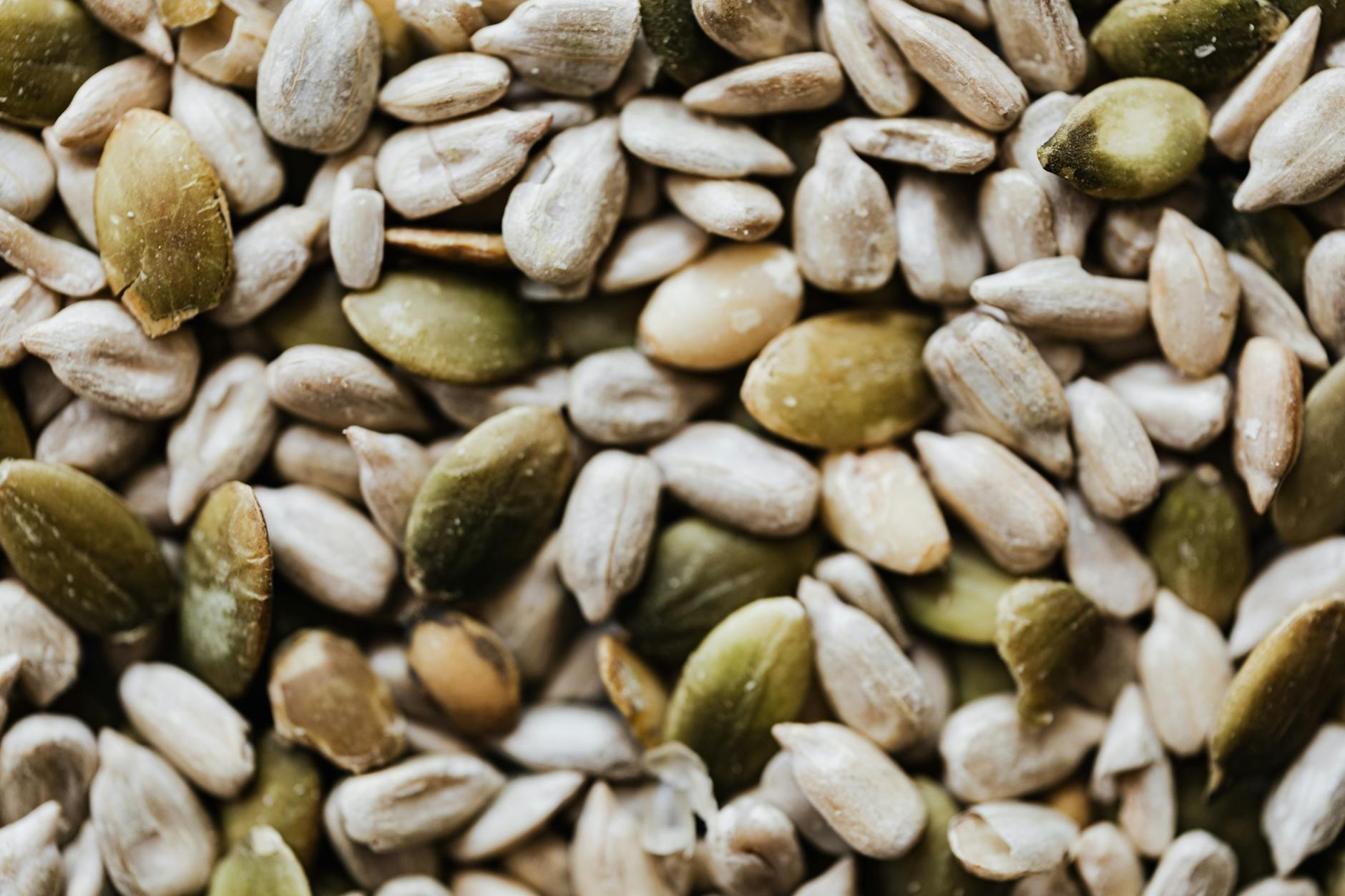
Litha marks the longest day and the height of solar power. It’s a time of fullness, where we witness nature at its peak: bees humming, gardens blooming, and light stretching into the evening hours. Sunflowers mirror this radiance back to us. Incorporating sunflower seeds into our Solstice celebrations allows us to internalize that energy by feeding ourselves with the symbolic power of the sun.
When we bake intentionally with sunflower seeds, we’re participating in a sacred exchange as much as we’re creating something delicious. We take the gifts of the earth, bless them with our attention and effort, and offer them back to life as nourishment. This is how something as simple as sunflower seed bread can become a physical expression of our gratitude, our connection, and our seasonal alignment.
Selecting Ingredients with Intention
As the sun reaches its earth warming height during Litha, this bread reaches for balance between nourishment and celebration, earthiness and light. Each and every ingredient can carry symbolic meaning when chosen with care, helping us weave intention into our baking.
Seasonal foods often become meaningful because they reflect the conditions of a particular time and place. The ingredients we choose connect us to landscapes, weather patterns, growing seasons, and the countless relationships that make nourishment possible. When preparing food for a seasonal celebration like Litha, paying attention to those connections can become just as important as the recipe itself.
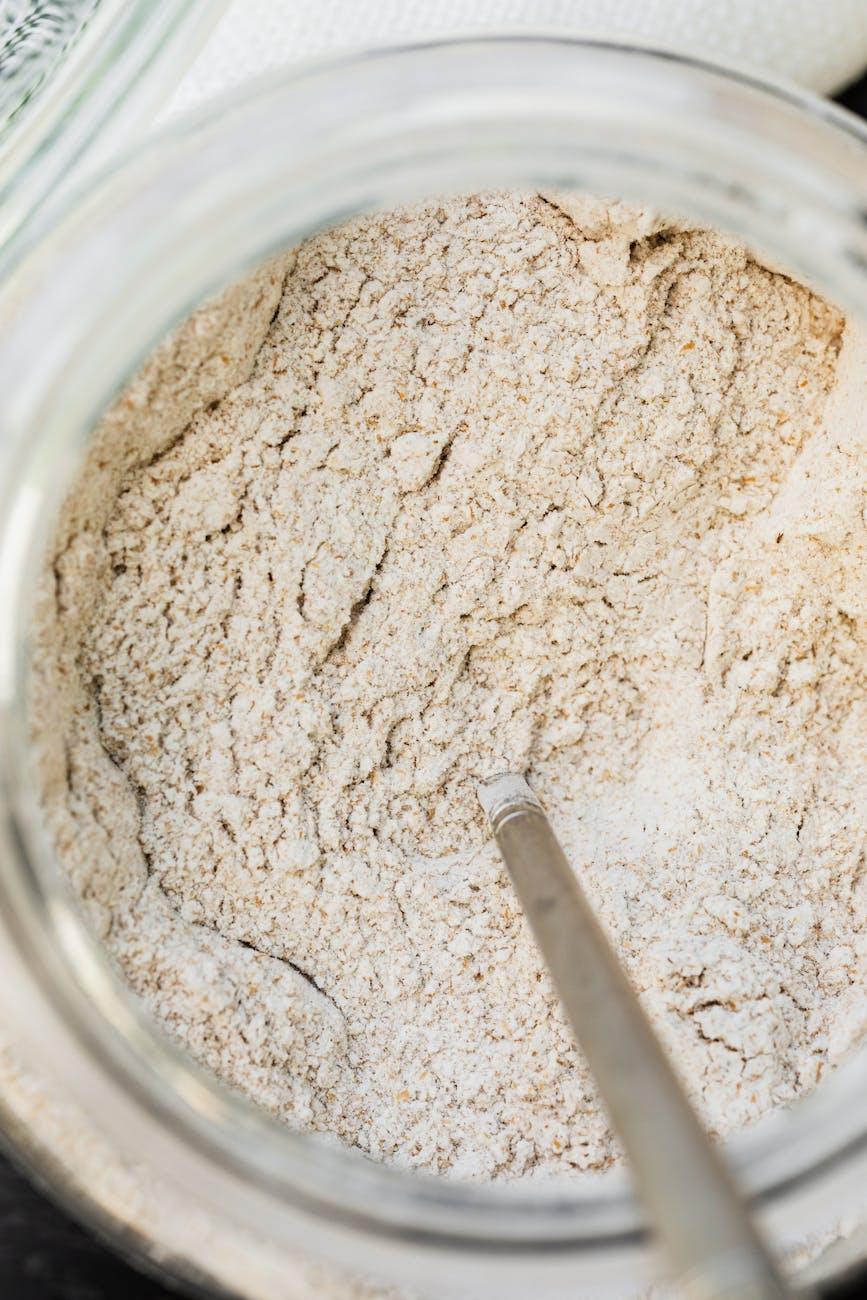
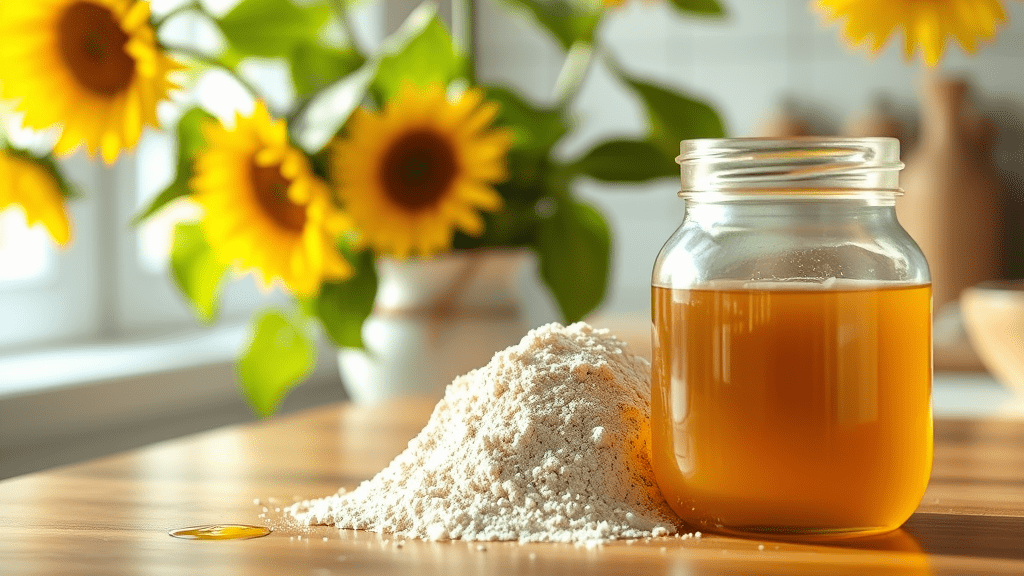
The sunflower seeds themselves will naturally evoke midsummer through their association with sunlight and seasonal abundance. Whole wheat flour reminds us of the grain crops that have sustained communities for thousands of years, while honey offers a connection to the pollinators that play such a vital role in the health of gardens and ecosystems. Whether you choose ingredients for their symbolism, their flavor, their local availability, or a combination of all three, the act of choosing them intentionally invites greater awareness of the season and the natural processes that support it.
We can deepen that awareness even further by sourcing ingredients thoughtfully, gathering them mindfully, or simply pausing to appreciate them before we begin. In this way, baking becomes an opportunity to participate in the season through one of the most universal human activities: sharing food.

Possible Substitutions
This recipe is highly customizable and adaptable. Feel free to choose your ingredients based on your own personal preferences, or what you happen to have on hand. Let’s consider a few potential swaps:
- Sunflower Seeds → Pumpkin Seeds or Poppy Seeds
- Honey → Maple Syrup or Agave Nectar
- Olive Oil → Coconut Oil or Butter
- Whole Wheat Flour → Oat, Spelt, All-Purpose, or Gluten-Free Flour
- Warm Water → Sun Tea or an Herbal Infusion
Each of these ingredients will have their own unique resonance, allowing you to fine tune your Litha loaf in any number of ways. Regardless of what you choose or have available, remember: the most important inclusions will be your presence and intentions.
Preparing Your Space & Intention
Before the ingredients come together, we have the chance to align our energy with the purpose of the bread itself. Baking becomes a ritual when we approach it with clarity, reverence, and presence. This step invites us to treat the kitchen as sacred ground: an altar of nourishment and transformation.
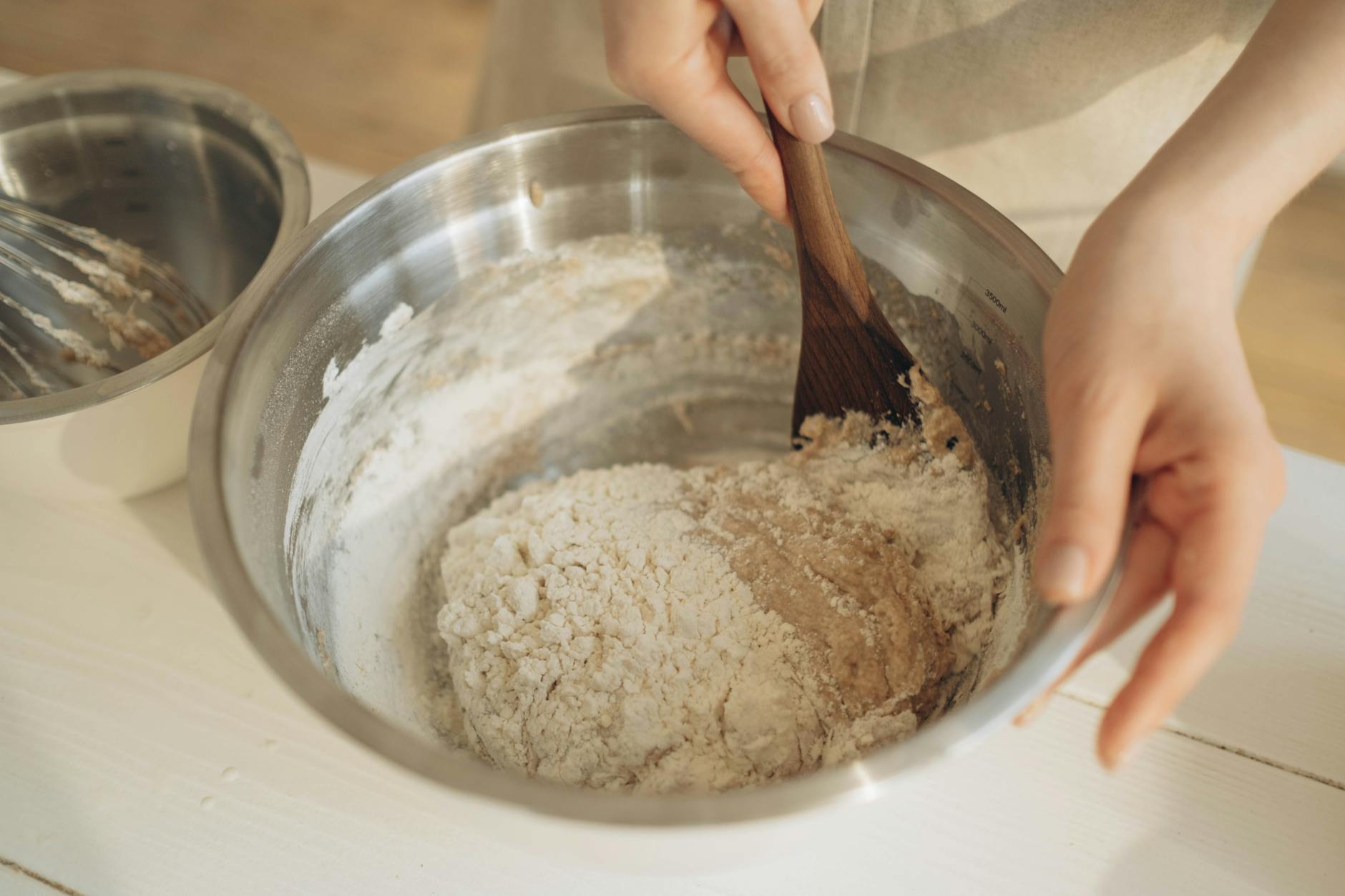
Start by tidying your space. Clear the counters, gather your ingredients, and light a candle if you feel called. Open a window to let in fresh summer air or burn a bundle of herbs like rosemary or lavender to clear stagnant energy. Play gentle music, chant, or simply enjoy the silence. Then, when you feel ready, ask yourself:
- What am I cultivating this summer?
- Where do I desire more warmth, nourishment, or joy?
- What energy do I want to infuse into this bread and into my life this season?
Your answers will help you clarify your intentions, which you can simply hold in your mind, or speak aloud. Then, throughout the baking process, let yourself be present in each step. As you mix and knead, visualize your intentions blending with the dough, imagine the ingredients soaking in your hopes, or perhaps witness the rising process as a mirror of your own growth.
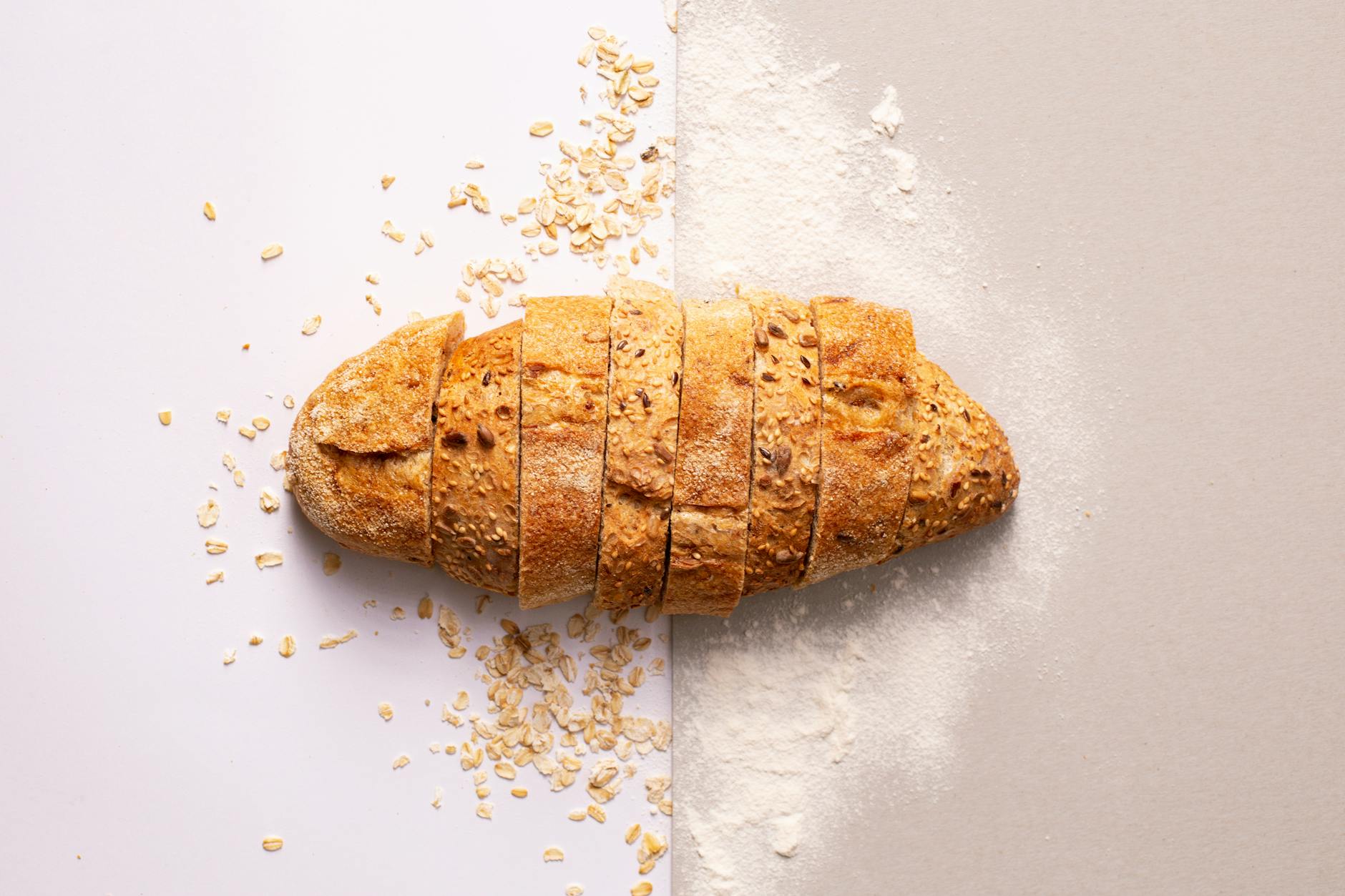
Sunflower Seed Bread Recipe
Ingredients:
- 3 cups all-purpose flour
- 1 cup whole wheat flour
- 1/2 cup sunflower seeds (plus extra for topping)
- 2 tablespoons honey
- 1 tablespoon active dry yeast
- 1 1/2 cups warm water
- 1 teaspoon salt
- 2 tablespoons olive oil
Instructions:
- Activate the yeast: In a small bowl, combine the warm water and honey. Stir until the honey is dissolved. Sprinkle the yeast over the water mixture and let it sit for about 5 minutes, or until it becomes foamy.
- Mix the dry ingredients: In a large mixing bowl, combine the all-purpose flour, whole wheat flour, sunflower seeds, and salt. Mix well to evenly distribute the ingredients.
- Combine the wet and dry ingredients: Make a well in the center of the dry ingredients and pour in the activated yeast mixture. Add the olive oil as well. Mix everything together until a dough forms.
- Knead the dough: Transfer the dough to a floured surface and knead it for about 10 minutes, or until it becomes smooth and elastic. If the dough feels too sticky, add a little more flour.
- First rise: Place the kneaded dough in a greased bowl, cover it with a clean kitchen towel, and let it rise in a warm, draft-free area for about 1 hour, or until it doubles in size.
- Shape the bread: After the dough has risen, punch it down gently to release any air bubbles. Transfer it to a lightly floured surface and shape it into a loaf. Place the shaped loaf on a baking sheet lined with parchment paper.
- Second rise: Cover the loaf with a clean kitchen towel and let it rise for another 30-45 minutes.
- Preheat the oven: During the dough’s second rise, preheat the oven to 375°F (190°C).
- Bake the bread: Once the second rise is complete, brush the top of the loaf with water and sprinkle some additional sunflower seeds over it. Bake in the preheated oven for about 30-35 minutes, until the bread is golden brown.
- Cool and enjoy: Remove the bread from the oven and let it cool on a wire rack for a few minutes. Slice it and serve it warm, or keep it in a breadbox to enjoy for a few days.

Serving Suggestions & Sacred Eating
Since this sunflower seed bread is more than just a nourishing recipe, and is serving as a sacred expression of Litha’s abundant light, how we serve and savor it matters just as much as how we prepare it. By engaging in mindful eating, we can transform ordinary mealtimes into magickal ones.
Ideally, serve your bread warm, freshly sliced, and paired with Litha-inspired accompaniments. Herbal butters made with calendula, rosemary, or lavender can deepen the seasonal connection. Fresh fruit compotes, golden honeys, or sun-dried tomato spreads invite sweetness, clarity, and joy. For a heartier experience, enjoy it alongside a garden vegetable salad, a vibrant summer soup, or a fire-roasted dish.
Create space for sacred eating by slowing down and engaging all your senses. Before your first bite, take a moment to pause: hold the bread in your hands, breathe in its aroma, and reflect on the intentions baked within it. Once you begin to enjoy the bread, take your time, feeling gratitude for the food itself, as well as the sunlight and natural cycles that it represents.

Enjoy Your Abundance This Litha
Litha invites us to recognize the abundance that surrounds us and consider our place within it. As gardens flourish, pollinators thrive, and the longest day of the year arrives, the Summer Solstice offers an opportunity to slow down and appreciate the relationships that sustain us. Baking a loaf of sunflower seed bread may seem like a simple act, but when done intentionally it connects us directly to those rhythms through ingredients, effort, attention, and nourishment.
The value of a seasonal recipe extends beyond the finished loaf. Gathering ingredients, preparing food with intention, and sharing a meal all encourage us to engage more consciously with the time of year we are living in. Whether the symbolism of sunflower seeds speaks deeply to you or you simply enjoy the process of creating something from scratch, this practice offers a tangible way to celebrate Litha and participate in the themes of the season.
Sabbat Activity Booklet
Get your free copy of this printable PDF, designed to help you explore any of the Pagan Sabbats!
May we take time this Summer Solstice to appreciate the food on our tables, the ecosystems that make it possible, and the people with whom we share it. May we find opportunities to slow down, savor what is already present, and express gratitude for the abundance that exists in both large and ordinary forms. As the wheel continues to turn, may simple acts like baking, sharing, and gathering remind us that seasonal living is often found in the everyday choices that connect us more deeply with the world around us.
Thank you for joining us here on Onescence! If you enjoyed this article, you can help support this free, online periodical by becoming an Onesce Insider member or purchasing one of our products through Onesce Press. Given your interest in natural cycles and personal participation, perhaps you would benefit from:
Moon Cycle Journey

JOURNAL FEATURES:
- Learn about the rhythms of the lunar cycle and how to apply them to your own journey.
- Explore your cycle goals, developing and working with your own authentic intentions.
- Discover the power of personal feedback for enhancing and sustaining progress.
- Utilize daily/nightly journal prompts that are designed to bring out your best.
- Experiment with simple ritual ideas and when to employ them throughout the cycle.
- And so much more…
You can also get your copy on Amazon and begin your journey with the next moon cycle!