

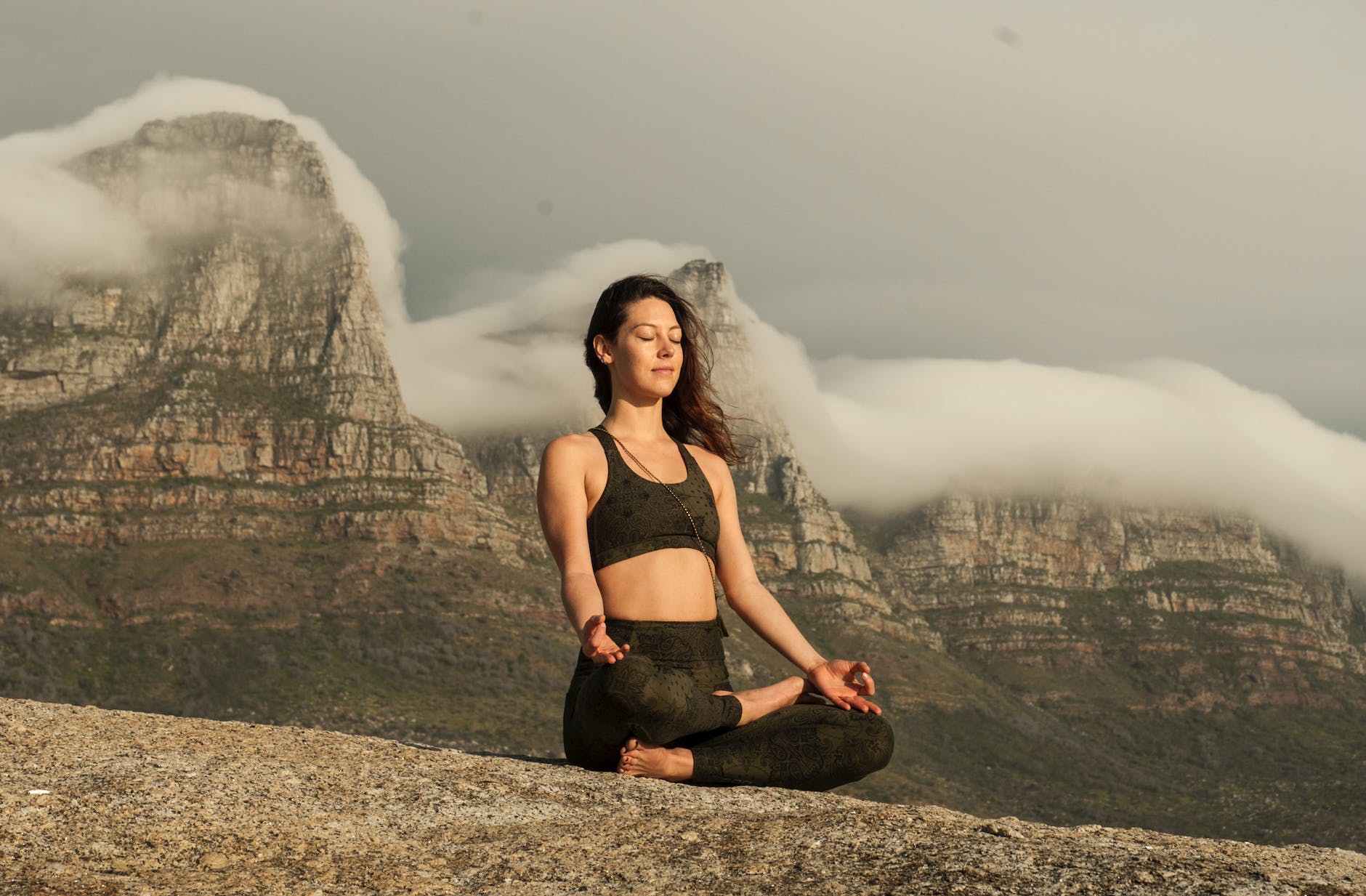
Breath is the subtle bridge between body and mind; always with us, yet so often overlooked. While many of us are familiar with simple breathing techniques for mindfulness and relaxation, pranayama offers a deeper, more intentional path. In Sanskrit, prana means life force, and yama means control or regulation. Together, they describe the art of consciously guiding the vital energy that sustains us. Through these advanced breathing techniques, we not only refine our breath but also open the door to profound states of meditation, heightened vitality, and emotional balance.
What makes pranayama especially powerful is its versatility. Certain techniques can fill us with energy and mental clarity, while others slow the mind, soften tension, and invite calm. When practiced with awareness, breath control becomes a way to fine-tune our entire being, helping us shift our state in mere minutes—even without external tools. In an era where stress and distraction are constant, this skill is both ancient and urgently relevant.
Meditation Practice
Take your practice to the next level, & the next… With a Year and a Day commitment.

Let’s explore six advanced breathing techniques that are designed to assist us in moving beyond the basics of meditation. Each offers a unique way to work with the breath for energy, calm, and deeper meditation. Whether you want to feel more grounded, awaken subtle awareness, or cultivate inner stillness, these practices can be adapted to your own rhythm and intention. Together, they can be added to our meditation toolkits, and are readily available for transforming any breath into a step toward greater presence and vitality.

#1: Nadi Shodhana | Balance Energy
Nadi Shodhana, or alternate nostril breathing, is one of pranayama’s most well-known advanced techniques, not because it’s physically demanding, but because its benefits reach deep into our energetic, mental, and emotional balance. The practice is rooted in the yogic understanding that the body contains subtle energy channels, or nadis, through which prana, our life force, flows. By alternating the breath between the left and right nostrils, we help harmonize the two main nadis: ida (associated with calm, cooling, and introspection) and pingala (linked to energy, heat, and outward focus). When these channels are balanced, we naturally feel steadier, clearer, and more centered in meditation.

To begin, sit comfortably with your spine tall, shoulders relaxed, and mind calm. Use your right hand in Vishnu mudra (folding your index and middle fingers down while keeping the thumb, ring, and little fingers extended). Gently close the right nostril with your thumb, inhaling deeply and smoothly through the left nostril. Then close the left nostril with your ring finger, release the right nostril, and exhale fully. Then, continue the pattern, this time inhaling through the right before switching, and finally exhaling through the left. This counts as one full cycle. As you settle in, your breathing will become slower, smoother, and more deliberate, guiding the nervous system toward equilibrium.
Over time, Nadi Shodhana can be used as both a preparation for and a deepening of meditation. Practiced before meditating, it clears mental chatter and primes the mind for focus. Practiced during meditation, it enhances inner stillness and can help you stay present for longer periods. With regular use, this technique supports both energy and calm, making it one of the most versatile breathing techniques for advanced practitioners looking to bring more balance into their meditation practice.
#2: Kapalabhati | Cleanse & Invigorate
Kapalabhati (sometimes called the “skull-shining” breath or “breath of fire”) is a cleansing pranayama that invigorates the body and mind by rapidly expelling stale air and drawing in fresh oxygen. Unlike slow, calming breathing practices, Kapalabhati is dynamic and energizing, stimulating both the respiratory system and mental alertness. Its name comes from the Sanskrit words kapala (skull) and bhati (to shine), referring to the clarity, brightness, and vitality practitioners often feel after completing a round. Traditionally, it has been used in yogic practice to purify the body, awaken energy, and prepare the mind for meditation.
The technique focuses on forceful, rhythmic exhalations driven by the abdominal muscles, with passive inhalations in between. Each exhalation clears toxins and stagnant energy, making space for renewed vitality. Physiologically, Kapalabhati increases oxygenation, stimulates the digestive organs, and can even help balance mood and mental focus. Energetically, it stirs the prana in the body’s channels, helping to awaken and balance the subtle energy centers. This makes it especially effective for revitalizing both body and mind when feeling sluggish, unfocused, or energetically blocked.
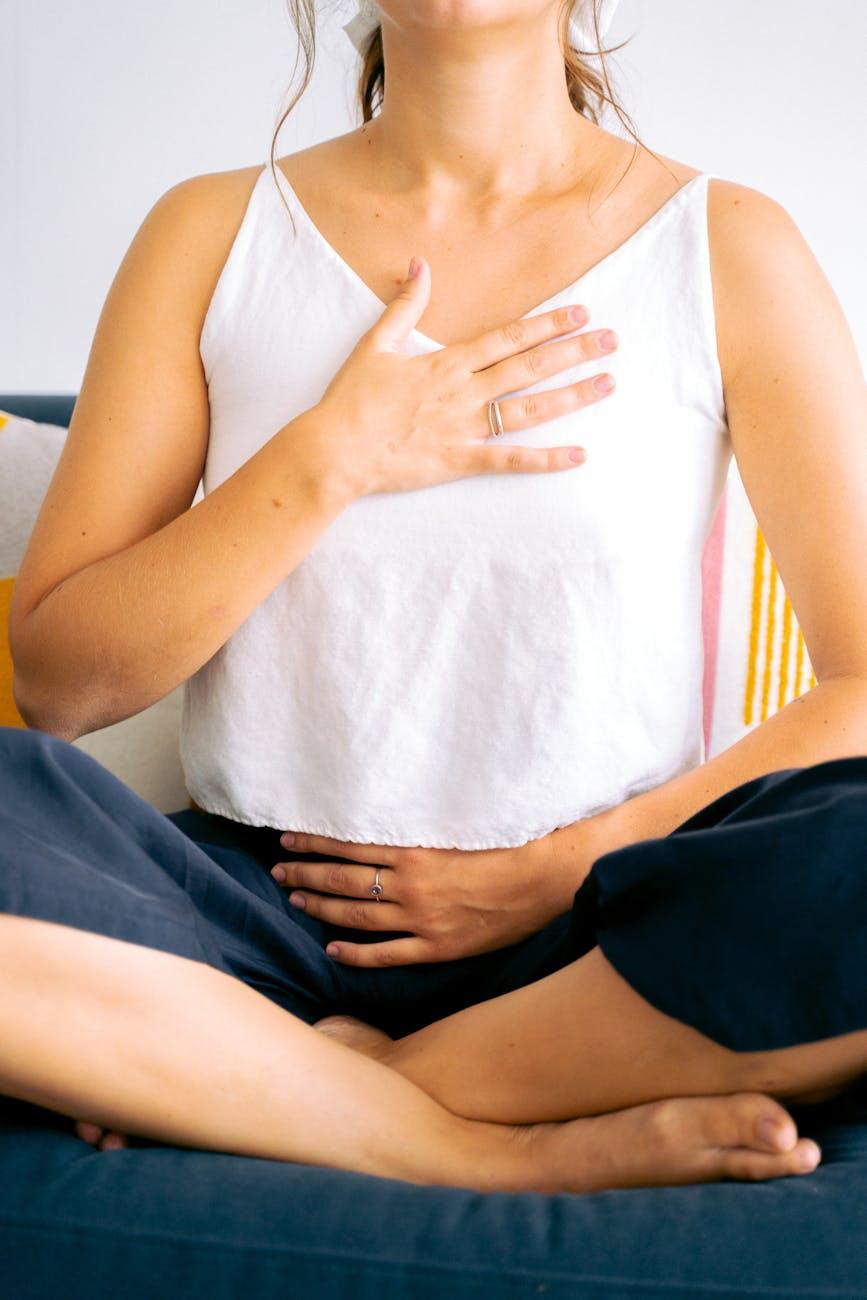
To practice Kapalabhati, sit comfortably with the spine tall. Take a deep, grounding inhale through the nose. Begin forceful, quick exhalations through the nose, each initiated by a firm contraction of the abdominal muscles, allowing the inhalations to happen naturally between them. Start with 20–30 breaths per round, gradually increasing as your strength and capacity grow. After completing a round, sit quietly, noticing the heightened energy and clarity. This breath is best practiced in the morning or when you need an energetic lift, and it’s best to avoid it before bedtime or if you have high blood pressure, heart conditions, or are pregnant. With regular practice, Kapalabhati becomes a powerful tool for cleansing the mind, energizing the body, and enhancing mental clarity.

#3: Bhastrika | Power & Alertness
Bhastrika, often called “Bellows Breath,” is a dynamic pranayama technique that invigorates both body and mind. Its name reflects the rhythmic force of a blacksmith’s bellows, where each inhale and exhale is active, powerful, and deliberate. This steady, forceful breathing rapidly increases oxygen intake, boosts circulation, and stimulates the nervous system, leading to heightened alertness and a surge of energy. It is especially valuable for moments when we want to awaken the senses, sharpen focus, or prepare for an intensive meditation session.

To practice Bhastrika, sit comfortably with your spine upright, shoulders relaxed, and hands resting on your knees. Begin with a deep, active inhale through the nose, fully expanding your lungs, followed by an equally strong exhale through the nose, compressing the abdomen. Maintain a consistent, rapid rhythm—about one to two breaths per second—while keeping your body steady and only moving the diaphragm and chest. Beginners may start with 15 to 20 breaths before pausing to rest and observe the sensations, gradually increasing as stamina builds.
Bhastrika is best practiced on an empty stomach and in moderation, as its stimulating effect can be intense. This technique is particularly effective in the morning to shake off grogginess or before meditation to clear the mind of lethargy. With regular, mindful practice, Bhastrika cultivates resilience, mental clarity, and the kind of vibrant presence that makes sustained focus in meditation more accessible.
#4: Sheetali & Sheetkari | Cool Body & Mind
Sheetali and Sheetkari are two advanced pranayama techniques known for their naturally cooling effects on both the body and the mind. They are especially valuable for balancing excess heat, whether that’s the literal heat of summer or the inner heat generated from intense physical or mental activity. These practices soothe the nervous system, calm irritability, and encourage a meditative state of ease and receptivity. In yogic tradition, they are often recommended when we seek to temper fiery emotions or create a more serene inner environment before meditation.
To practice Sheetali, sit comfortably with the spine tall and shoulders relaxed. Roll your tongue into a tube (if possible) and extend it slightly beyond your lips. Inhale deeply through the rolled tongue, drawing the cool air in slowly, then close your mouth and exhale gently through the nose. In Sheetkari, the process is similar but the mouth remains closed: lightly press the teeth together and draw the lips back in a gentle smile, inhaling through the teeth to create a cooling sensation before exhaling through the nose. Both techniques can be repeated for several rounds, pausing between each to notice the calm, cooling effect.

These pranayama practices are most effective when done in a peaceful setting, ideally away from loud noise or harsh light, so the cooling effect can reach both body and mind. They can be used after vigorous yoga, in the heat of the day, or any time mental agitation arises. Over time, Sheetali and Sheetkari can help us maintain a steady, grounded state during meditation, reducing restlessness and creating the perfect conditions for deep, sustained mindfulness.

#5: Ujjayi | Calm Focus
Ujjayi, often called “Ocean Breath,” is a powerful pranayama technique prized for its ability to anchor attention and create a meditative rhythm during meditation. The name comes from the gentle, wave-like sound produced by slightly constricting the glottis at the back of the throat during both inhalation and exhalation. This sound not only calms the mind but also serves as a natural point of focus, helping to sustain mindfulness and deepen meditation.

To practice Ujjayi, sit comfortably or settle into a meditation posture with the spine tall. Inhale slowly through the nose while gently tightening the throat muscles as if whispering, allowing the breath to create a soft, oceanic sound. Exhale through the nose with the same gentle constriction, keeping the breath steady and smooth. The breath should feel full but not forced, warming the body and encouraging a sense of spaciousness in the chest and mind.
Ujjayi is often used in yoga asana practice, but its benefits extend far beyond the mat. It helps regulate breath pace, improves oxygenation, and quiets mental chatter. This is an ideal practice for preparing the mind for deeper meditation or maintaining focus during longer sits. With regular use, this advanced breathing exercise can create a serene yet alert state, balancing energy and calm while drawing awareness inward toward the stillness at the center of your being.

#6: Surya Bhedana & Chandra Bhedana
Surya Bhedana and Chandra Bhedana are complementary pranayama techniques that work directly with the body’s solar and lunar energies, making them valuable tools for breath control for meditation. Together, they can help balance vitality and tranquility, making them ideal for holistic practices that utilize meditation for both energy and calm.
Surya Bhedana | Vitality & Warmth
Also known as “Right Nostril Breathing,” Surya Bhedana is practiced by gently closing the left nostril with the ring finger, inhaling slowly through the right nostril, then closing the right nostril and exhaling through the left. This stimulates the pingala nadi—linked to alertness, heat, and activity—making it a powerful technique for moments when you need a natural boost in focus and drive.
This practice is believed to stimulate the body’s heating and energizing qualities, often associated with the sun (Surya). It increases vitality, warmth and alertness, making it ideal for morning practice, pre-performance preparation, or when you need a natural energy boost.

Chandra Bhedana | Tranquility
Also referred to as “Left Nostril Breathing,” Chandra Bhedana follows the reverse pattern: close the right nostril with the thumb, inhale through the left nostril, then close the left nostril and exhale through the right. This activates the ida nadi—associated with cooling, rest, and introspection—making it especially effective for calming the mind.
This technique is associated with the cooling and calming qualities often linked to the moon (Chandra). Chandra Bhedana is believed to promote relaxation, reduce stress, and induce a sense of tranquility, making it suitable for evening practice, winding down before sleep, or anytime you need to unwind.

Conclusion: Advanced Breathing Techniques Can Help Us Customize Our Meditations
Breath is more than a physical process, acting as a bridge between the conscious and the subconscious, the body and the mind, as well as the outer world and our deepest self. In pranayama, each inhale and exhale becomes an intentional act, carrying awareness inward and creating space for transformation. Through advanced breathing techniques, we learn to direct our energy, soften mental chatter, and invite profound stillness.
As we work with these practices, we discover that breath is both a mirror and a guide. It reflects our current state of being and offers us the means to shift it. Whether we seek vitality, calm, clarity, or balance, breath is the tool that still meets us exactly where we are, even as it also becomes a driver towards where we wish to go.
Approach these techniques with patience, curiosity, and respect for your own pace. The journey into advanced pranayama is not so much about mastering a set of exercises as it serves to deepen your relationship with the life force/prana/chi itself. Each time you sit in awareness of your breath, you step closer to your center, building a steady bridge to a more present, balanced, and self-aware way of being.
Thank you for joining us here on Onescence! If you enjoyed this article, please consider supporting our free, online periodical by purchasing one of our products through Onesce Press. Given your interest in advanced meditation and pranayama, perhaps you would benefit from:
Meditation Practice
LOGBOOK FEATURES:
- Your companion on a 366-Day adventure in devotion and commitment.
- Developed with the Year and a Day framework to challenge and inspire.
- Simple and straightforward logging with space for key intentions and reflections.
- Enjoy the benefits of tracking your progress and the details of your practice in one place.
You can also get your copy on Amazon. Don’t wait, take your practice to the next level: