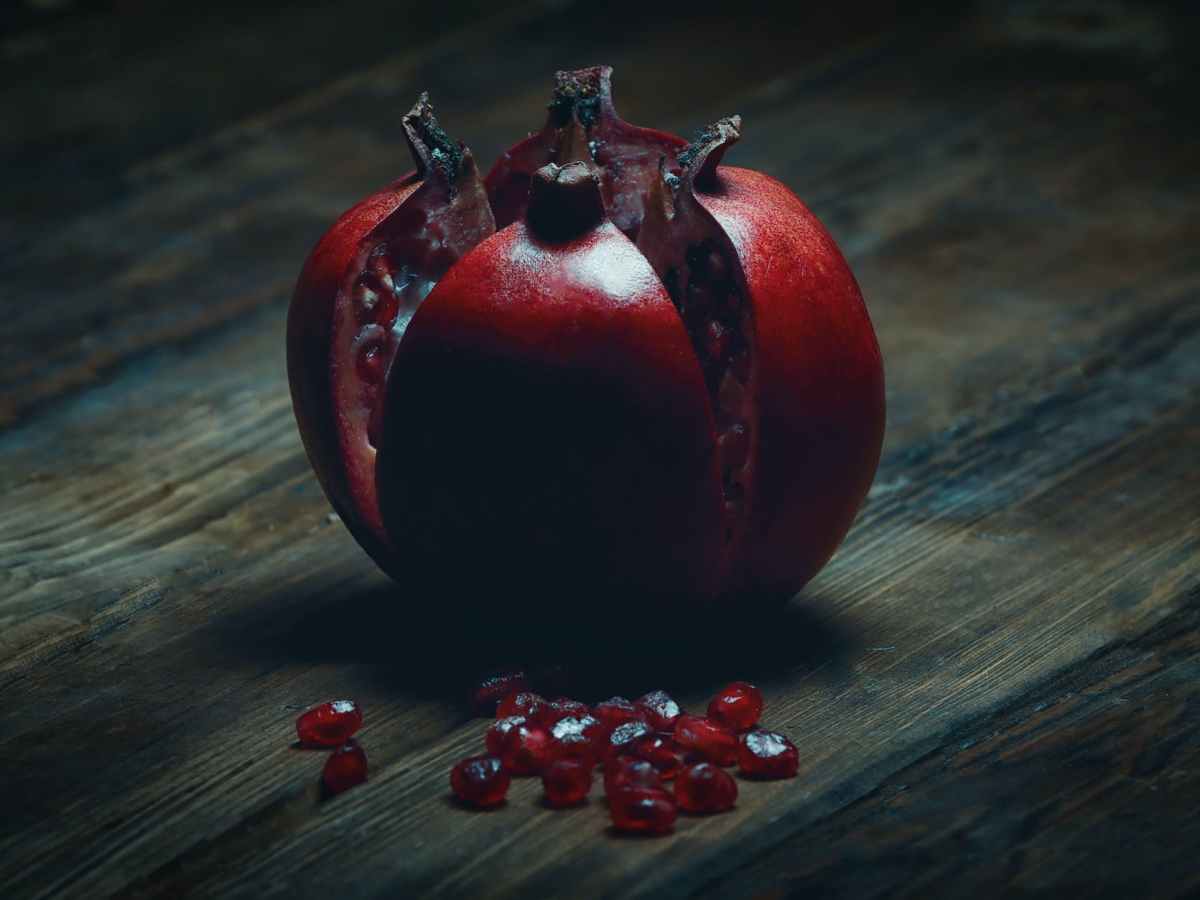


Across continents and throughout time, people have looked to the Spring Equinox as a moment of deep significance. It’s a transformative time in the solar cycle when light and dark meet in perfect harmony, if only for a brief moment. Long before modern calendars marked the day, ancient cultures observed its arrival with ceremonies, myths, and offerings to honor the return of life to the land and the promise of new beginnings.
Here on Onescence, we recognize this sacred time as Ostara, which is one of the eight Sabbats in the neopagan Wheel of the Year. Yet its essence—the awakening of the earth, the lengthening of days, the call to plant, create, and renew—has been celebrated in many names and forms around the world throughout human history. By understanding how others have honored this sacred shift, we deepen our own connection to the season, and to each other. It invites us to acknowledge the shared human desire to honor the light, embrace renewal, and walk in rhythm with the earth.
Mindful Meditation
Quiet your “monkey mind,” record your experiences, & deepen your practice.

Let’s explore the diverse, rich, cultural and spiritual legacy of the Spring Equinox. From the Persian festival of Nowruz to Japan’s Shunbun no Hi, and from the shadowed steps of Mayan pyramids to the egg-laden rites of Eastern Europe, we’ll trace the universal themes of balance, fertility, and rebirth that unite these diverse traditions around the world. Along the way, we’ll also uncover practical ways we can bring these ancient traditions into our modern lives through ritual and reflection.

Ostara’s Place in the Wheel
Before we explore how the Spring Equinox is celebrated across the world, it’s helpful to understand where Ostara fits within the neopagan Wheel of the Year—a cyclical calendar of eight Sabbats that reflect the shifting relationship between the earth and the sun in temperate climates. Ostara, falling between March 20th–23rd in the Northern Hemisphere, marks the second of the four solar festivals, and is situated directly opposite Mabon, the Autumn Equinox, in the Wheel.
This Sabbat is a celebration of balance because of the equal dance of day and night, as well as and a turning point that signals the return of light’s dominance. It marks the shift in the year when life begins to stir in earnest, pushing its way through the soil, stretching toward the sun, and preparing to bloom. In many similar traditions, this is the time to bless seeds, initiate new projects, and honor the sacred fertility of the Earth.
Ostara & the Goddess Eostre

The name Ostara is commonly believed to come from Eostre (or Ēastre), a Germanic goddess of dawn, fertility, and spring. According to the 8th-century monk Bede, the Anglo-Saxons honored her during the month of Ēosturmōnaþ, which eventually lent its name to the Christian celebration of Easter.
While historical sources are limited, modern Pagan traditions have embraced Eostre as a symbolic figure representing the rising sun, renewal, and the fertile season to come. Associated with hares, eggs, and blooming flowers, she personifies the returning life force that follows the stillness of winter.
Ostara as a Modern Sabbat
In neopagan practice, Ostara is often celebrated with rituals that:
- Honor the balance of light and dark, acknowledging inner and outer harmony.
- Celebrate fertility, growth, and rebirth, both in nature and within ourselves.
- Mark the beginning of planting season, physically and metaphorically.
- Use symbols like eggs, seeds, rabbits, flowers, and birds to connect with the energies of the season.

Some traditions light spring fires, create seed blessings or fertility altars, or hold dawn rituals to greet the rising sun. Others celebrate more privately through reflection, journaling, or simply spending time in nature.
Whether practiced communally or personally, Ostara serves as a spiritual checkpoint, or a reminder to pause, take stock, and choose growth. Like many Spring Equinox celebrations around the world, it carries the essence of hope, renewal, and rhythm—reminding us that we, too, are part of nature’s unfolding cycle. Let’s continue our journey by looking into global expressions of this same seasonal shift, considering how different cultures across time have honored the light’s return in ways both unique and deeply familiar.

Global Celebrations of the Spring Equinox
While Ostara holds a special place in neoagan practice, it shares deep roots with Spring Equinox traditions from cultures around the globe. Each celebration carries its own stories, symbols, and rituals, yet all reflect a shared human instinct to honor balance, fertility, and the cyclical return of light. This solar event has been observed in temples, around family tables, and beneath ancient skies—reminding us of the universal nature of Spring’s energetic turning point throughout time.
Nowruz–Persian New Year
Nowruz, meaning “new day,” is an ancient celebration of the equinox and the start of the Persian new year. Rooted in Zoroastrian cosmology and still widely celebrated across Iran, Central Asia, and parts of the Middle East, Nowruz is a vibrant 13-day festival of cleansing, renewal, and hope.

Central to the celebration is the Haft-Seen table, an altar-like arrangement of seven symbolic items beginning with the Persian letter S. These include sabzeh (sprouted greens) for rebirth, seeb (apple) for beauty and health, and sir (garlic) for protection. Families gather to reflect, share meals, and visit the graves of ancestors. On the final day, many take to the outdoors for a feast, symbolically releasing the old year.
Nowruz reflects the spiritual and agricultural transition so commonly felt at this time of year; a movement from darkness to light, from sleep to growth. Like Ostara, it honors the balance of the world and the blossoming of life, calling individuals to cleanse and begin again.
Shunbun no Hi–Japanese Vernal Equinox Day
In Japan, the Spring Equinox is marked by Shunbun no Hi, a public holiday and deeply spiritual time that blends Shinto seasonal awareness with Buddhist reflection. Celebrated as part of the Higan period—seven days centered around the equinox—and is a sacred time that encourages balance between worldly life and spiritual discipline.

The equinox, in Japanese tradition, becomes a bridge. This is not only between night and day, but also between this world and the next, the visible and the invisible, the past and the future. Families visit ancestral graves, offer seasonal foods, and take time to appreciate the natural beauty of spring (especially the blossoming of cherry trees). While the day itself is grounded in reflection and gratitude, it also embraces the joyful renewal of the season.
Chichén Itzá–Descent of Kukulkán
In the heart of the Yucatán Peninsula, the ancient Maya built temples aligned with celestial cycles, including the Spring Equinox. At El Castillo, the great pyramid of Chichén Itzá, a remarkable phenomenon occurs: as the sun sets on the equinox, shadows fall along the staircase, creating the illusion of a serpent descending as a representation of the feathered serpent god Kukulkán.

This event draws thousands each year and serves as a potent reminder of how agriculture, cosmology, and spirituality were deeply intertwined in Mayan life. The equinox marked a time of fertility, sowing, and balance. Like many equinox observances, it connected the heavens and the earth, reminding the people of their place in the grand design.
Equinox in Ancient Egypt
The builders of ancient Egypt also honored the equinox. Solar alignment can be found at Karnak Temple and near the Great Sphinx, where light passes in harmony with the architecture during equinoctial days.
This celestial balance reflected the ancient Egyptians’ focus on cosmic order and divine cycles, with the equinox serving as a natural marker of agricultural preparation and spiritual attunement. Tied closely to the movement of Ra, Horus, and the resurrection mythos of Osiris, the equinox was part of a wider rhythm in which life, death, and rebirth were not only mythic, but visible in the sky.

Indigenous & Folk Traditions
Across Europe, the Americas, and beyond, folk and indigenous traditions marked the Spring Equinox with bonfires, land blessings, and fertility rites. In Ireland and the British Isles, Neolithic tombs such as Loughcrew were built to align with the equinox sunrise. Light streaming into the chamber at dawn was a dramatic symbol of rebirth and ancestral presence. In Eastern Europe, spring festivals included ritual egg painting, symbolic feasting, and fire ceremonies to banish winter and invite growth.
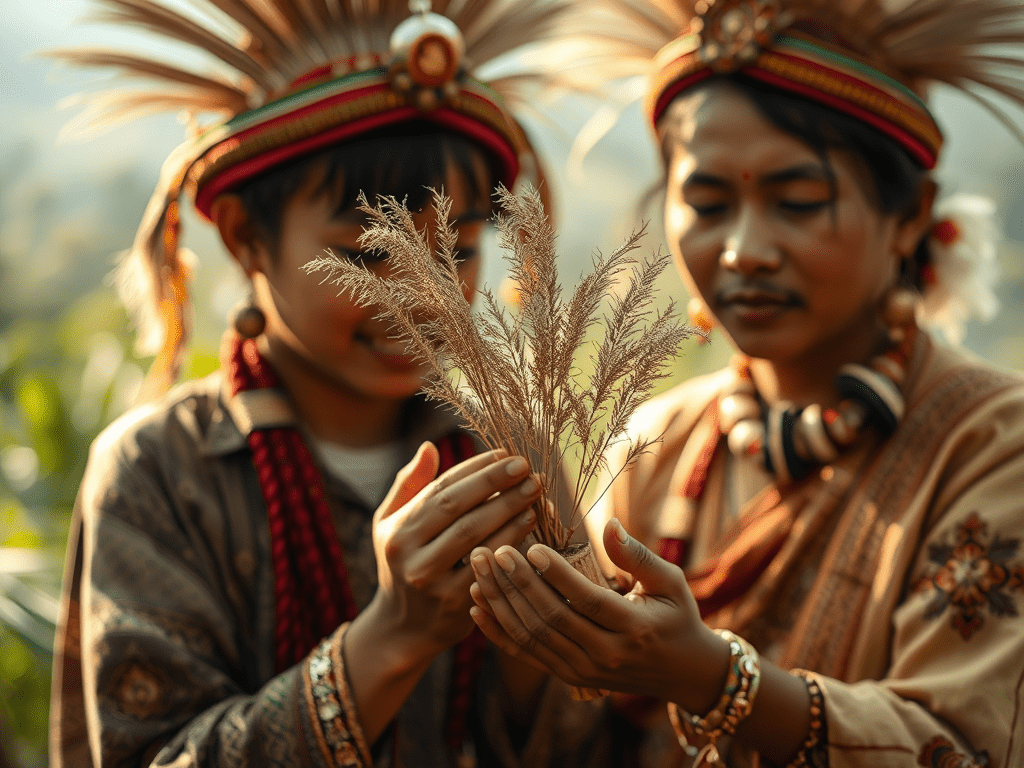
Many Native American tribes observed the equinox with ceremonies that honored the sun, often involving ritual dances, prayer, and astronomical alignment. Sites like the Big Horn Medicine Wheel functioned as calendars, tracking the balance of seasons for planting and spiritual observance.
Each of these traditions, whether elaborate or simple, reveals a sincere respect for the earth’s cycles. Furthermore, these global and historical iterations indicate a widespread, shared human experience. Truly, there is a deep and universal recognition that we are not separate from nature, but part of its unfolding rhythm.

Symbols & Synchronicities
Though the names and customs vary, many Spring Equinox celebrations around the world are united by recurring symbols and themes. These are not coincidental, arising from the natural world itself, where the shift from winter to spring brings visible and visceral changes. By examining these symbols, we uncover a deeper connection between global traditions and the spirit of Ostara.
Eggs: Universal Symbols of Life
Across cultures, the egg has long been a powerful emblem of fertility, potential, and rebirth. It contains life before it begins, representing the moment just before manifestation.
In Pagan traditions, the egg is often used in rituals to symbolize the awakening Earth and the creative force of nature. Eastern European cultures celebrate the arrival of spring with elaborate egg-painting practices, such as the pysanky of Ukraine, and each design carrys specific protective or abundant meanings.
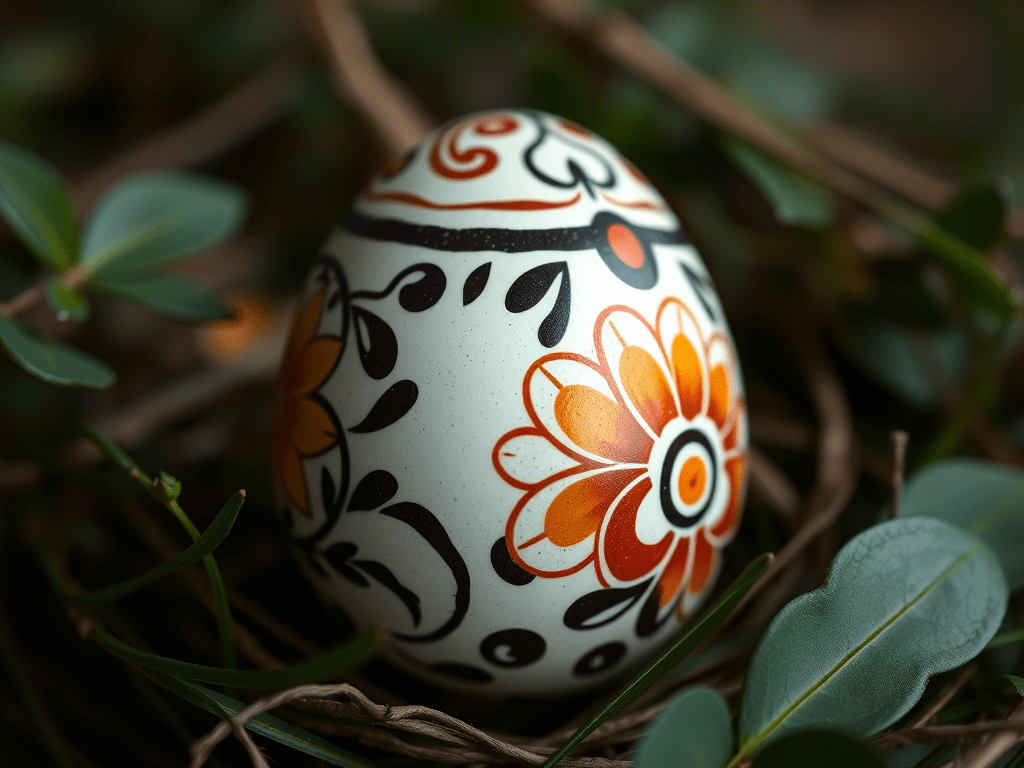
Additionally, the cosmic egg appears in mythologies from India, Greece, Egypt, and China, often symbolizing the birth of the universe itself. Whether used in blessings, buried in fields, or eaten in feasts, the egg universally reminds us that everything begins in stillness, waiting for the right moment to emerge.
The Hare & the Rising Dawn
Many equinox customs feature hares, rabbits, and other fertility animals, all associated with quick reproduction and the abundance of spring. In Germanic folklore, the hare was sacred to Eostre, believed to lay eggs as offerings to the goddess, likely influencing later Easter imagery too.
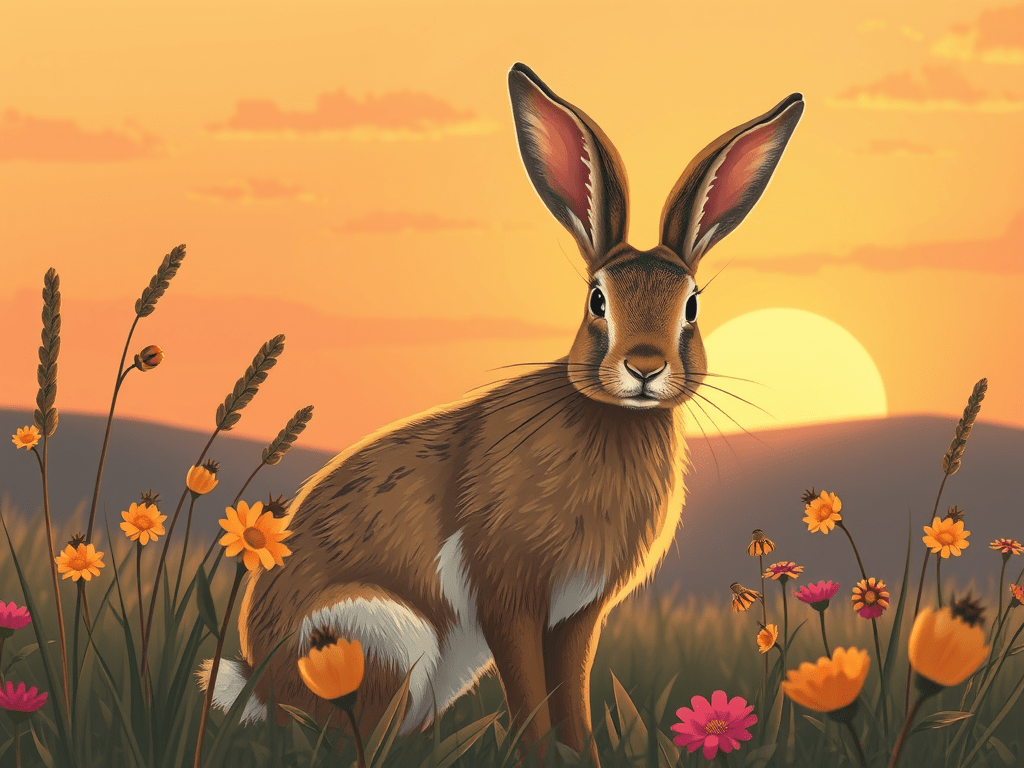
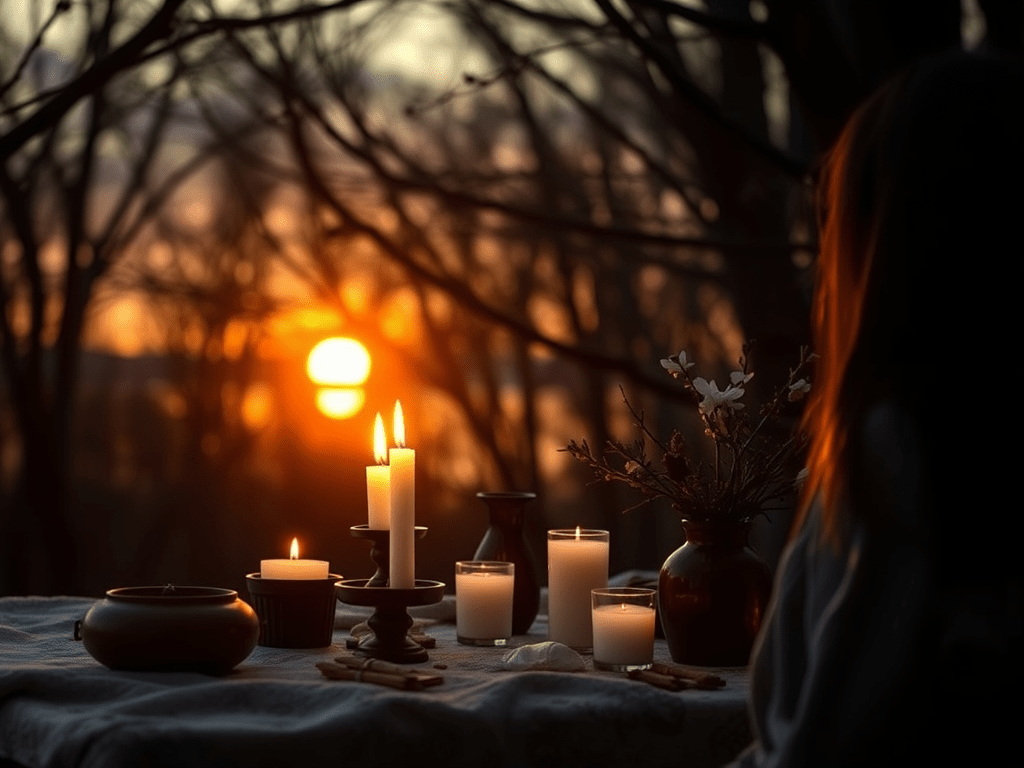
The sun, too, plays a central role in Spring Equinox celebrations. Its rising strength symbolizes illumination, warmth, and growth. Rituals often involve facing east at dawn, lighting candles, or building fires—acts that acknowledge the return of solar energy after the long winter.
This theme of dawn echoes out through the temples and monuments around the world that are aligned with equinoctial sunrises—from Mayan pyramids to Irish tombs. This emphasis on the first light also reminds us that beginnings are sacred, fragile, and full of power.
Fire, Fertility, & Seasonal Feasting
With the return of light comes the return of fire, which is another common thread among spring rites. Bonfires and hearth fires represent the rekindling of life and were often lit to bless fields, protect homes, or celebrate fertility. In Slavic and Baltic regions, communities gathered around these fires for ritual dances, singing, and symbolic cleansing.

Fertility, both literal and symbolic, is ever-present throughout global springtime traditions. Many cultures held rituals to bless seeds, animals, and marriages, inviting growth not just in the land but in families and communities. Symbols like flowers, seeds, and newborn animals frequently appear in art, myth, and festival decor.

Feasting rounds out the symbolic activities, with seasonal foods shared in gratitude for what the earth is beginning to provide. From honey cakes to fresh greens, these meals mark not just nourishment, but the return of community celebration after the isolation of winter.
These shared symbols reflect humanity’s deep and intuitive bond with nature’s cycles. They remind us that, no matter where we live or what tradition we follow, the Spring Equinox is a call to awaken, to plant, and to grow. Let’s continue our exploration by considering how this living tradition can inspire modern spiritual practice, as well as how honoring Ostara today connects us to something timeless.
Personal Equinox Traditions
Though rooted in ancient customs, Spring Equinox celebrations continue to evolve, inspiring a wide range of modern spiritual practices. Today, Ostara is honored by many those who follow earth-based spiritual paths, as well as by many who simply feel called to live in deeper harmony with seasonal rhythms. The ways we mark this moment may look different from centuries past, yet the underlying desire remains the same: to celebrate balance, renewal, and the return of light.
Seasonal Rituals & Ceremonies
Many individuals and spiritual communities celebrate Ostara through intentional rituals aligned with the turning of the season. These might include:
- Dawn meditations or sunrise gatherings, to honor the first light of spring.
- Candle-lighting ceremonies, often using natural or homemade candles, to represent the returning sun.
- Planting seeds, either in gardens or in symbolic planters, as a way to set intentions and invite growth.
- Spring cleaning or altar refreshing, clearing out stagnant energy and making space for new blessings.
- Rites of balance, such as journaling on dualities: light/dark, rest/action, letting go/calling in.
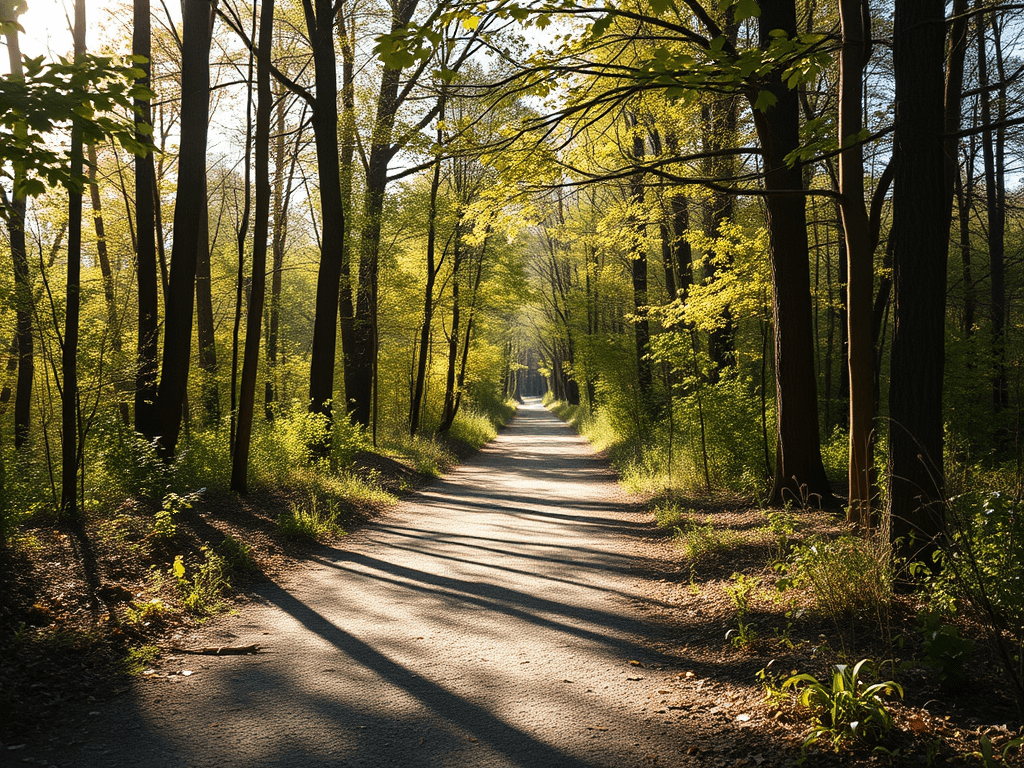
These acts don’t require elaborate setup or traditional lineage. What matters most is the awareness and intention brought to the moment. Even a quiet walk in nature, offered as a prayer of gratitude, can be a powerful act of reverence for the season.
Creative Practices & Crafts
In addition to formal rituals, Ostara can be celebrated through creative and sensory practices that connect the inner world to the living landscape. Some popular activities include:

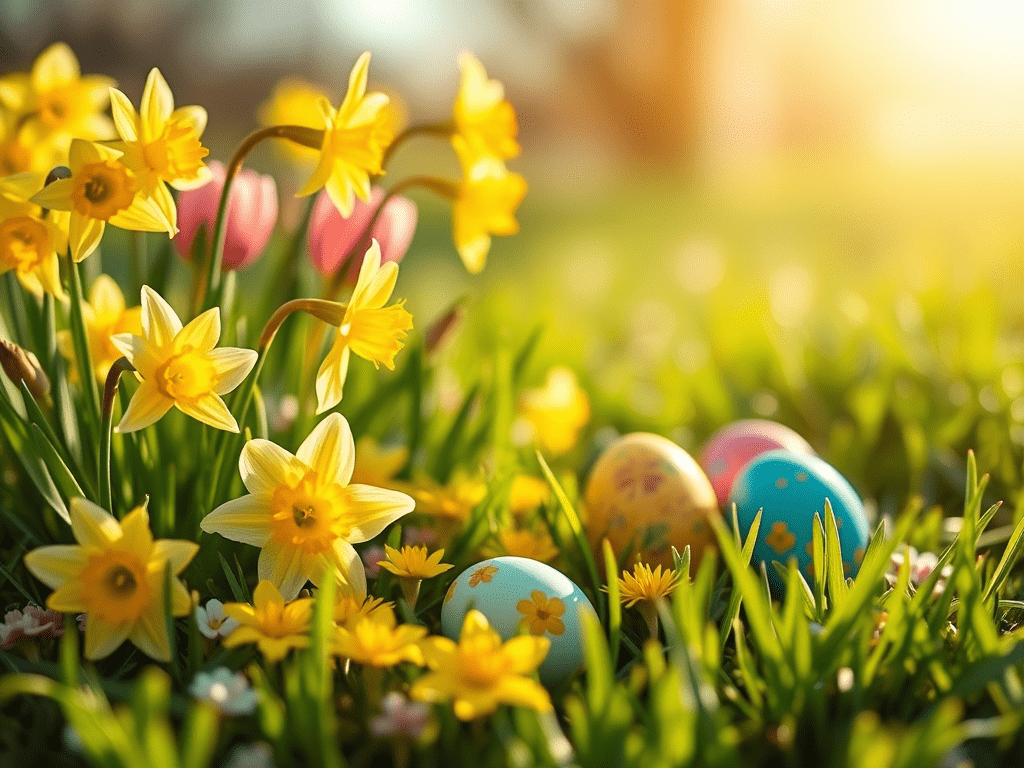
- Egg decorating, using natural dyes or meaningful symbols to imbue the eggs with intention.
- Making seed bombs, small bundles of earth and wildflower seeds that spread beauty and renewal.
- Baking seasonal recipes, such as honey-infused cakes, lemon loaves, or fresh greens.
- Creating altars with symbols of spring, like: flowers, birds’ feathers, painted stones, and images of a hare or the goddess Eostre.
- Writing affirmations or planting “wish seeds,” burying them with the intention to revisit them at the Autumn Equinox.
These simple, hands-on activities help bring the spirit of the equinox into daily life, weaving the sacred into the everyday. They are also a great way to celebrate as a family, group, or community, offering opportunities to share our springtime intentions and blessings with others.
Community Celebrations
While many practice Ostara alone, there is great power in planned seasonal community gatherings too. These may take the form of:
- Spring Equinox circles, whether online or in person
- Neighborhood garden swaps or outdoor potlucks
- Pagan Pride events, holistic fairs, or local spring festivals
- Seasonal workshops, especially those centered around herbalism, sustainability, or creative expression

These moments of connection reflect the communal nature of spring energy. As the earth begins to open and stretch outward, so too do we—reaching outwards for more collaboration and collective joy.
Honoring Ostara in Personalized Ways
For those new to celebrating Ostara or the Spring Equinox, there’s no one correct way to begin. The most meaningful practices often emerge by listening to what the season stirs within you. You might start by simply asking yourself:
- What in my life is ready to bloom?
- What can I release in order to grow?
- Where do I feel called to restore balance?
- How can I reconnect with nature’s rhythms this season?
Even one small act—a morning stretch in sunlight, lighting a candle with intention, or planting a few seeds—can become a springtime thread in your spiritual tapestry. Over time, these threads can weave a rich, personal set of traditions that grounded in the ancient and ever-renewing wisdom of the earth.
The Spring Equinox Helps Us Honor Nature’s Cycles
As we trace the threads of Spring Equinox celebrations all across the world and throughout history, a larger pattern begins to emerge that reminds us of something both ancient and personal. From the fires of Nowruz to the eggs of Eastern Europe, and from Mayan temples to modern backyards, this moment of balance has always spoken to humanity’s longing for renewal, clarity, and growth.
Ostara is not just a point on the calendar, it is a living threshold. Aquiet but powerful invitation to awaken, to plant new intentions, and to walk forward with the growing light. It reminds us that life progresses gently, faithfully, and with rhythm, rather than rushing through or hustling.
Sabbat Activity Booklet
Get your free copy of this printable PDF, designed to help you explore any of the Pagan Sabbats!
Whether through shared rituals, quiet reflection, creative expression, or community celebration, the Spring Equinox offers us something enduring: the chance to begin again with purpose. When we align with the season, we don’t just honor tradition—we participate in it, adding our voices to a timeless chorus of those who have stood at this same turning point and chosen to grow. May this invitation find you balanced and inspired. Blessed Ostara!
Thank you for joining us here on Onescence! If you enjoyed this article, please consider supporting our free, online periodical by joining our Insider Membership or purchasing one of our products through Onesce Press. Given your interest in transformation and personal sovereignty, perhaps you would benefit from:
Sustainable Habits

WORKBOOK FEATURES:
- Learn how habits work so you can master them.
- Explore your goals and develop a plan that suits you authentically, bringing you more fulfillment.
- Discover the best way to overcome unwanted habits.
- Apply progressive strategies so that your habits can grow with you over time.
- Experiment with a variety of flexible habit tracking systems that will reinforce their development.
- And so much more…
You can also find your copy on Amazon. Start taking sustainable steps towards the life of your dreams!