


The Yuletide season is a time of celebration, reflection, and connection. A Yule feast, central to the festivities, offers the perfect opportunity to gather loved ones, share the warmth of the season, and honor the cycles of nature.
Rooted in ancient traditions, the Yule feast combines symbolic foods, rituals, and merriment, creating a meaningful and inclusive celebration. Let’s explore the origins of some traditional Yule dishes, including some menu ideas and recipes for our own balanced feast. We’ll also consider some rituals we could incorporate into the gathering for even more indulgent purposefulness.

Traditional Yule Dishes
Roasted Meats
In ancient Norse and Germanic traditions, boars and other game were often served at Yule feasts. The boar was sacred to Freyr, a god of prosperity and fertility, symbolizing abundance and strength. Roasted meats were representative of the gratitude the community had for their sustenance and the blessings of the harvest.
Root Vegetables and Winter Greens
Root vegetables like carrots, parsnips, and potatoes were staples during winter, as they stored well and provided essential nutrition. Cold crop greens like kale and cabbage symbolized life and endurance. These plant-based dishes remind us of resilience and the cyclical nature of life.
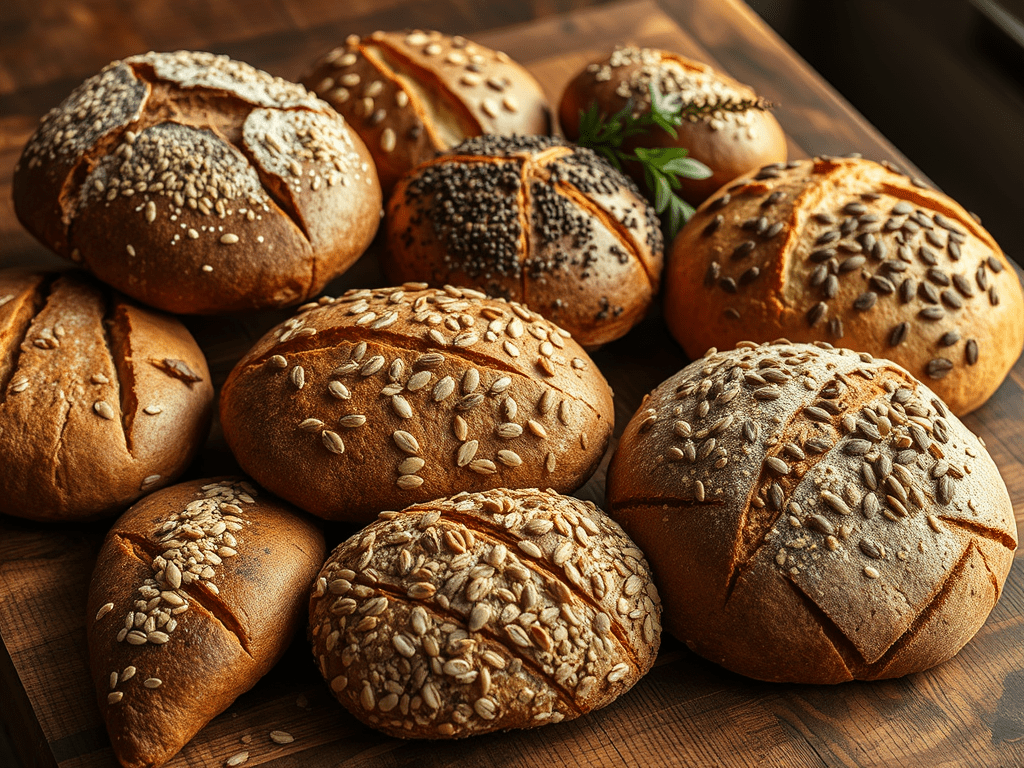
Breads and Grains
Breads and cakes were baked to honor the Earth’s bounty, with seeds often included to symbolize growth and renewal. These foods reflect gratitude for the harvest and hope for future abundance.
Wassail and Mulled Wine
Wassail, a spiced cider or ale, was traditionally shared during communal blessings for orchards and farms. Mulled wine, infused with warming spices, celebrated light and community. These beverages both embody the Yuletide themes of warmth, joy, and connection.
Sweet Treats
Honey cakes, dried fruits, and spiced desserts were common in Yule feasts. They serve to symbolize the sweetness of life. These indulgent dishes were also used to celebrate the light once again gaining in strength.
The Makings of a Balanced Yule Feast
Creating a Yule feast involves balancing hearty, traditional foods with modern inclusivity and dietary considerations. Below is a menu to inspire your celebration.
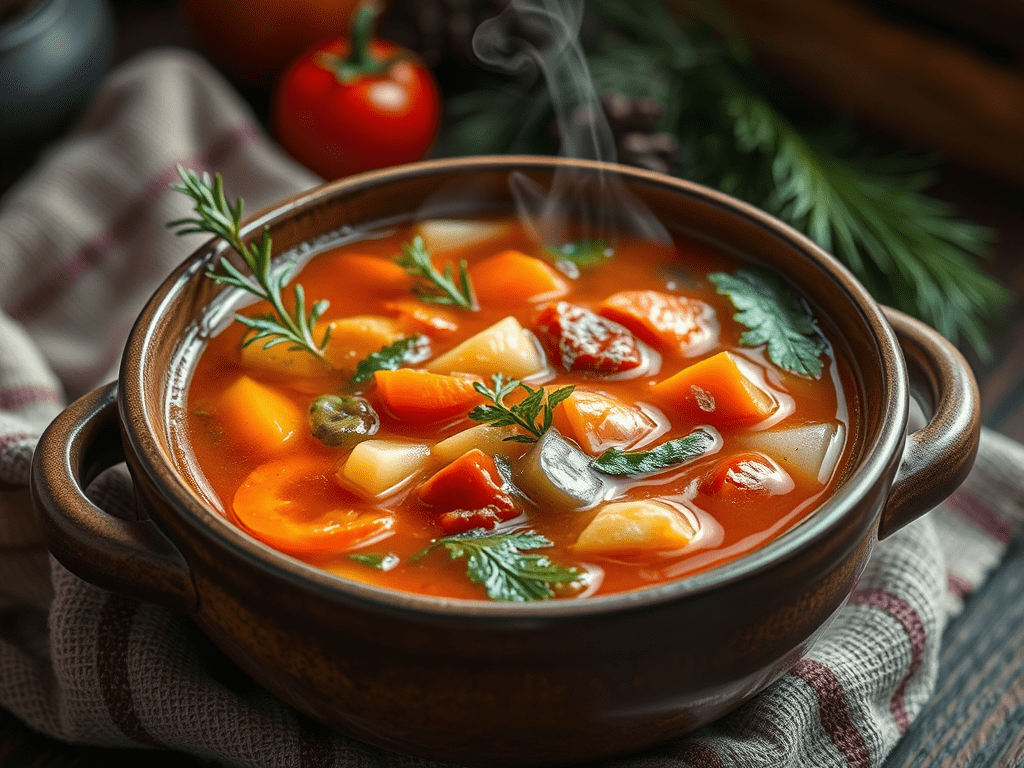
Starter: Winter Vegetable Soup
- Ingredients:
- 2 tbsp olive oil
- 1 onion, diced
- 2 carrots, chopped
- 2 parsnips, chopped
- 1 potato, diced
- 4 cups vegetable broth
- Thyme, rosemary, salt, and pepper to taste
- Instructions:
- Heat olive oil in a large pot and sauté onion until translucent.
- Add carrots, parsnips, and potato, cooking for 5 minutes.
- Pour in vegetable broth and add herbs.
- Simmer for 20-30 minutes until vegetables are tender. Blend for a creamy texture, if desired.
- Symbolism: This soup represents warmth, nourishment, and community.

Main Dish: Herb-Crusted Roast
- Ingredients:
- 1 roast (beef, pork, or plant based alternative)
- 2 tbsp olive oil
- 2 tbsp fresh rosemary, chopped
- 2 tbsp fresh thyme, chopped
- 1 tbsp garlic, minced
- Salt and pepper to taste
- Instructions:
- Preheat oven to 375°F (190°C).
- Rub roast with olive oil and season with herbs, garlic, salt, and pepper.
- Place in a roasting pan and cook to your preference (following temperature guidelines for meat), basting occasionally.
- Symbolism: The roast honors abundance and the blessings of the season.
Side Dishes
- Honey-Glazed Carrots
- Ingredients: Carrots, honey, butter, and salt.
- Symbolism: Represents sweetness and gratitude for the earth’s gifts.
- Roasted Brussels Sprouts with Cranberries
- Ingredients: Brussels sprouts, olive oil, dried cranberries, and walnuts.
- Symbolism: Embodies resilience and seasonal celebration.

Dessert: Spiced Yule Log Cake
- Ingredients:
- 4 eggs
- ¾ cup sugar
- ¾ cup flour
- 2 tbsp cocoa powder
- ½ tsp baking powder
- ½ cup heavy cream
- 2 tbsp powdered sugar
- Spices like cinnamon and nutmeg
- Instructions:
- Preheat oven to 350°F (175°C). Line a baking tray with parchment paper.
- Beat eggs and sugar until fluffy. Fold in flour, cocoa, baking powder, and spices.
- Spread batter evenly and bake for 10-12 minutes.
- Roll cake with parchment paper while warm; let cool. Fill with whipped cream and re-roll.
- Dust with powdered sugar for a snowy effect.
- Symbolism: Celebrates light and joy with its festive appearance.

Beverage: Traditional Wassail
- Ingredients:
- 1 gallon apple cider
- 2 cinnamon sticks
- 4 whole cloves
- 1 orange, sliced
- ¼ cup honey
- Instructions:
- Combine all ingredients in a large pot.
- Simmer on low heat for 30-40 minutes.
- Strain and serve warm.
- Symbolism: Embodies community and warmth.

Rituals to Enhance a Yule Feast
A Yule feast is more than just a meal; it’s an opportunity to honor the season and deepen connections. Here are some ways we can weave rituals and practices into our gathering:
Setting the Table with Intention
- Use natural elements like evergreen branches, pinecones, and candles as decorations.
- Place symbolic items at each setting, such as a sprig of holly for protection or a small crystal for light and clarity.
- Include handwritten notes or blessings for each guest.
Sharing Gratitude
- Begin the meal with a circle of gratitude. Invite each guest to share something they’re thankful for.
- Reflect on the blessings of the past year and the hopes for the year ahead with one another throughout the meal.

Incorporating Seasonal Symbols
- Light a Yule log or a central candle at the start of the meal, dedicating it to the returning light.
- Use the flame to inspire a moment of quiet reflection or intention-setting.
Storytelling and Song
- Share traditional Yule stories or personal tales of resilience and hope.
- Sing seasonal songs or invite guests to perform music that resonates with the themes of Yule.
Giving Back
- Collect non-perishable food items or small handmade gifts to donate as part of your celebration.
- Offer a toast or blessing for those in need, sending light and warmth their way.

Final Thoughts: Gathering for a Yule Feast Inspires Appreciation for Community and Abundance
Hosting a Yule feast is a powerful way to honor the season, connect with loved ones, and celebrate the cycles of nature. By incorporating traditional dishes, meaningful rituals, and thoughtful practices, this gathering is so much more than a meal—it becomes a celebration of light, love, and community.
As you gather around the table, may your feast bring joy, gratitude, and a sense of renewal. We are wishing you and yours a blessed Yuletide filled with warmth and merriment!