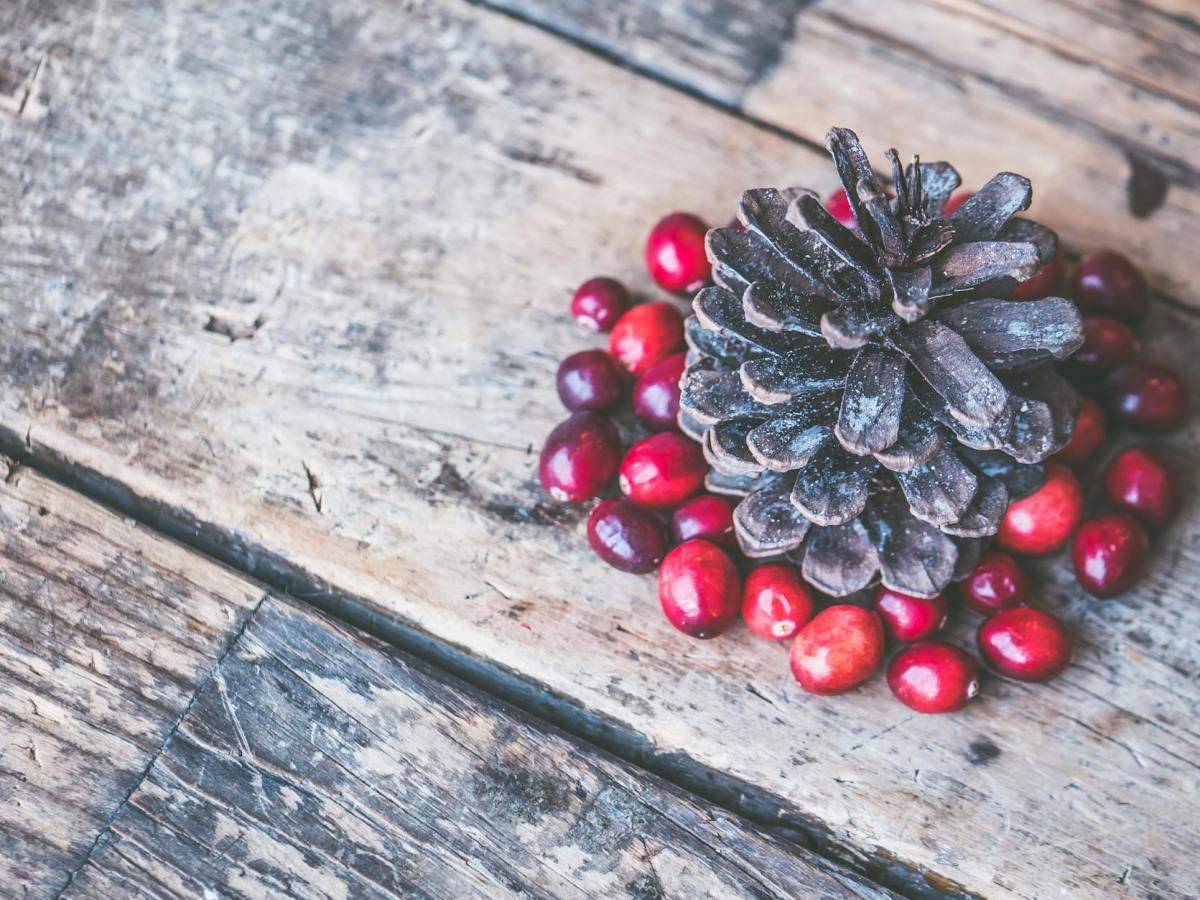

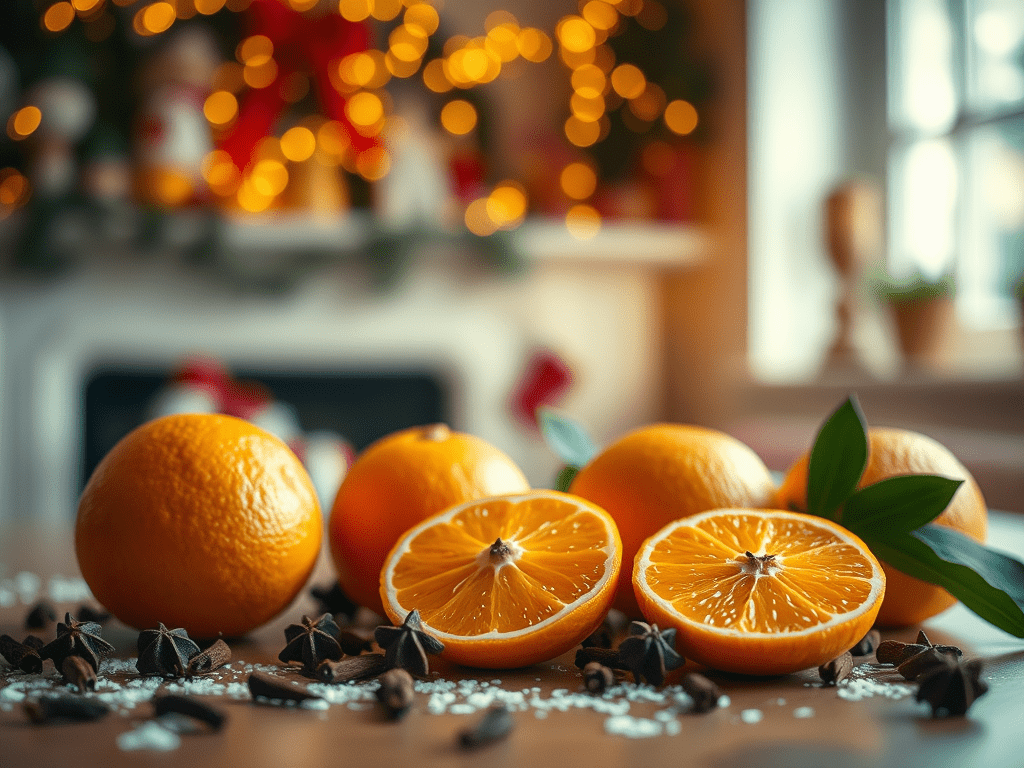
The scent of oranges and cloves evokes warmth, nostalgia, and the magic of winter celebrations. Pomanders, made by studding oranges with cloves, have been a cherished part of seasonal traditions for centuries. These fragrant and symbolic decorations not only fill the air with a festive aroma but also serve as meaningful symbols of warmth, abundance, and protection.
Let’s explore the historical significance of orange and clove pomanders as a simple yet festive Yuletide craft. We’ll also take a look at some step-by-step instructions for crafting your own, and offer creative ideas for displaying and using them during the Yule season.

Pomanders in Winter Celebrations
Pomanders have a rich history dating back to medieval Europe, where they were originally crafted as protective talismans. The word “pomander” comes from the French pommes d’ambre, meaning “apples of amber,” referring to the fragrant mixtures often enclosed within perforated containers.
Origins and Early Uses
- In the Middle Ages, pomanders were carried as charms to ward off illness and bad spirits, believed to cleanse the air and provide protection.
- They were made using precious materials like ambergris, musk, and herbs, encased in metal or ceramic.
- Over time, simpler versions emerged using oranges and cloves, becoming associated with festive and winter traditions.
Yule and Winter Celebrations
- Pomanders symbolize abundance and prosperity, with the round orange representing the sun and cloves symbolizing warmth and protection.
- They were often hung in homes, exchanged as gifts, or used as natural air fresheners during winter gatherings.
- Their bright colors and rich scents added to the celebratory spirit of the season, making them enduring symbols of Yule’s warmth and joy.
Crafting Pomanders
Crafting pomanders is a simple and enjoyable activity that fills your home with the spicy-sweet aroma of the season. Follow these steps to create your own fragrant decorations:
Materials Needed
- Fresh oranges (or other citrus fruits like lemons or limes)
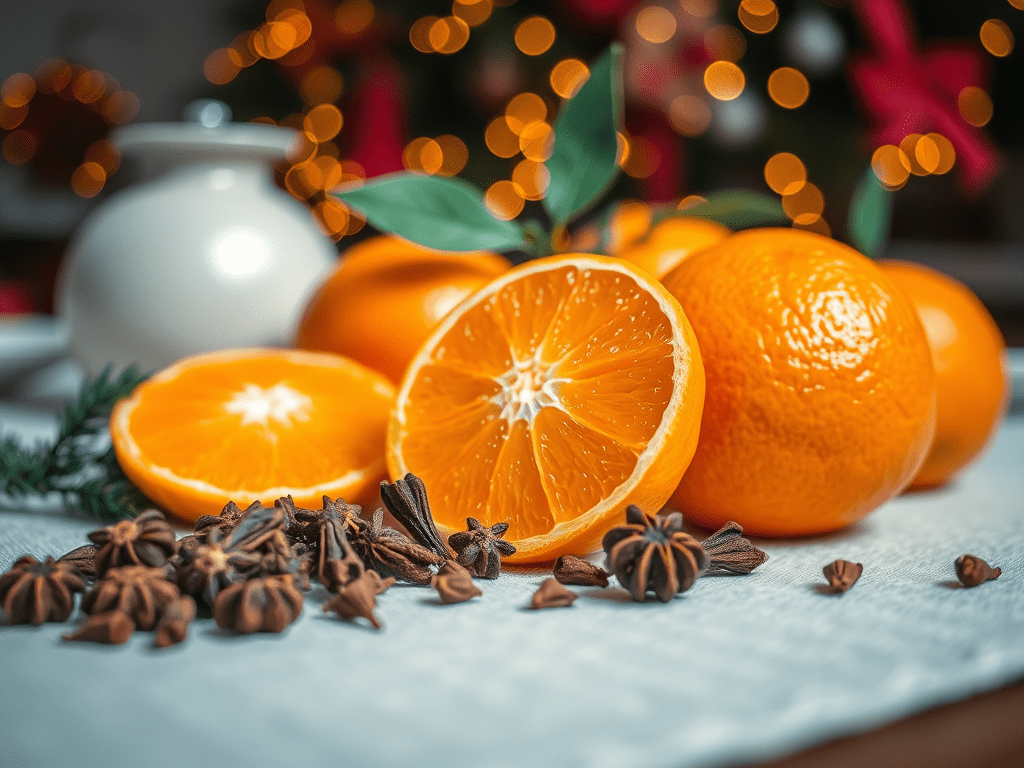
- Whole cloves
- Ribbon, twine, or decorative string
- Toothpick or skewer (optional, for easier clove insertion)
Instructions
Step 1: Choose Your Oranges
- Select firm, fresh oranges. Avoid overly ripe fruit, as it may spoil more quickly.
- Wash and dry the oranges thoroughly to ensure they’re clean and ready for decorating.
Step 2: Plan Your Design
- Decide on a pattern for your pomander. Popular designs include:
- Stripes or spirals wrapping around the orange.
- Geometric patterns, like diamonds or grids.
- Completely studded surfaces for a more traditional look.

Step 3: Prepare for Clove Placement
- Use a toothpick or skewer to poke small holes in the orange’s skin where you want to insert the cloves. This makes the process easier and helps maintain your design.
- Space the holes evenly for a neat and aesthetic appearance.
Step 4: Insert the Cloves
- Push a whole clove into each pre-made hole. The pointed end of the clove should pierce the orange’s skin, while the bulbous end remains visible.
- Continue until your design is complete. Take breaks as needed; this process can be time-intensive but meditative.
Step 6: Attach Ribbon or Twine
- Cut a length of ribbon or twine long enough to wrap around the orange twice and create a loop for hanging.
- Wrap the ribbon around the pomander, crossing it at the bottom and securing it at the top. Tie a bow or knot, leaving a loop for hanging if desired.
Step 7: Allow to Cure
- Place the pomander in a cool, dry area for a few days to allow it to cure. This helps preserve the orange and intensify its fragrance.

Ways to Use Pomanders During Yule
Once your pomanders are complete, there are countless ways to incorporate them into your Yule celebrations. Here are some ideas to inspire you:
Hanging Decorations
- Hang pomanders on your Yule tree, using their bright colors and festive ribbons to add charm and symbolism.
- String several pomanders together with greenery like pine or holly to create a fragrant garland.
- Display them near doorways or windows as protective talismans.
Table Centerpieces
- Arrange pomanders in a decorative bowl or on a tray with seasonal accents like evergreen sprigs, pinecones, and candles.
- Place them at the center of your Yule feast table, inviting guests to enjoy their scent and beauty.
- Add dried orange slices or star anise for additional texture and fragrance.

Gift Enhancements
- Include pomanders in Yule gift baskets alongside other handmade items like beeswax candles or herbal sachets.
- Attach a handwritten note explaining the symbolism and significance of pomanders for a personal touch.
Ritual and Meditation Tools
- Set intentions as you craft them, infusing them with meaning and positive energy.
- Use pomanders in Yule rituals, placing them on your altar as offerings or symbols of the returning sun.
- Hold a pomander during meditation, focusing on its scent to ground yourself and connect with the season’s energy.
Natural Air Fresheners
- Place pomanders in closets, drawers, or small spaces to keep them smelling fresh and festive.
- Use them as decorations in common areas to create an inviting and warm atmosphere.

Final Thoughts: Pomanders are a Simple Craft that Can Infuse Modern Yule with Festive Scents and Traditional Meanings
Orange and clove pomanders are more than just decorative ornaments; they are symbols of warmth, protection, and abundance that have endured through centuries of tradition. By crafting these fragrant creations, we honor the spirit of the Yule season and bring its magic into our homes.
Whether displayed as centerpieces, given as gifts, or used in rituals, pomanders add a touch of timeless charm to your celebrations. As you craft and share them, may their scent remind you of the light returning to the world and the joy of connection. Wishing you a fragrant and blessed Yuletide filled with warmth and abundance!