
Each spring, as the air grows warmer and the earth awakens in a burst of green, we are reminded of life’s irrepressible cycle of growth and renewal. Among the many ancient celebrations that honor this turning of the seasons, the Beltane festival stands out as a Sabbat of fire, fertility, and joyful vitality. Marked by bonfires, flower-laden altars, and spirited dances around the Maypole, Beltane is an invitation to reconnect with the sacred rhythms of nature—and with the creative forces stirring within ourselves.
Rooted in ancient Celtic tradition, Beltane heralds the beginning of summer and the full flourishing of life. It is a time to honor the union of opposites: masculine and feminine, earth and sky, spirit and matter. With symbols like the Green Man and the May Queen, and through elemental rituals, Beltane weaves together a tapestry of gratitude, desire, protection, and hope.
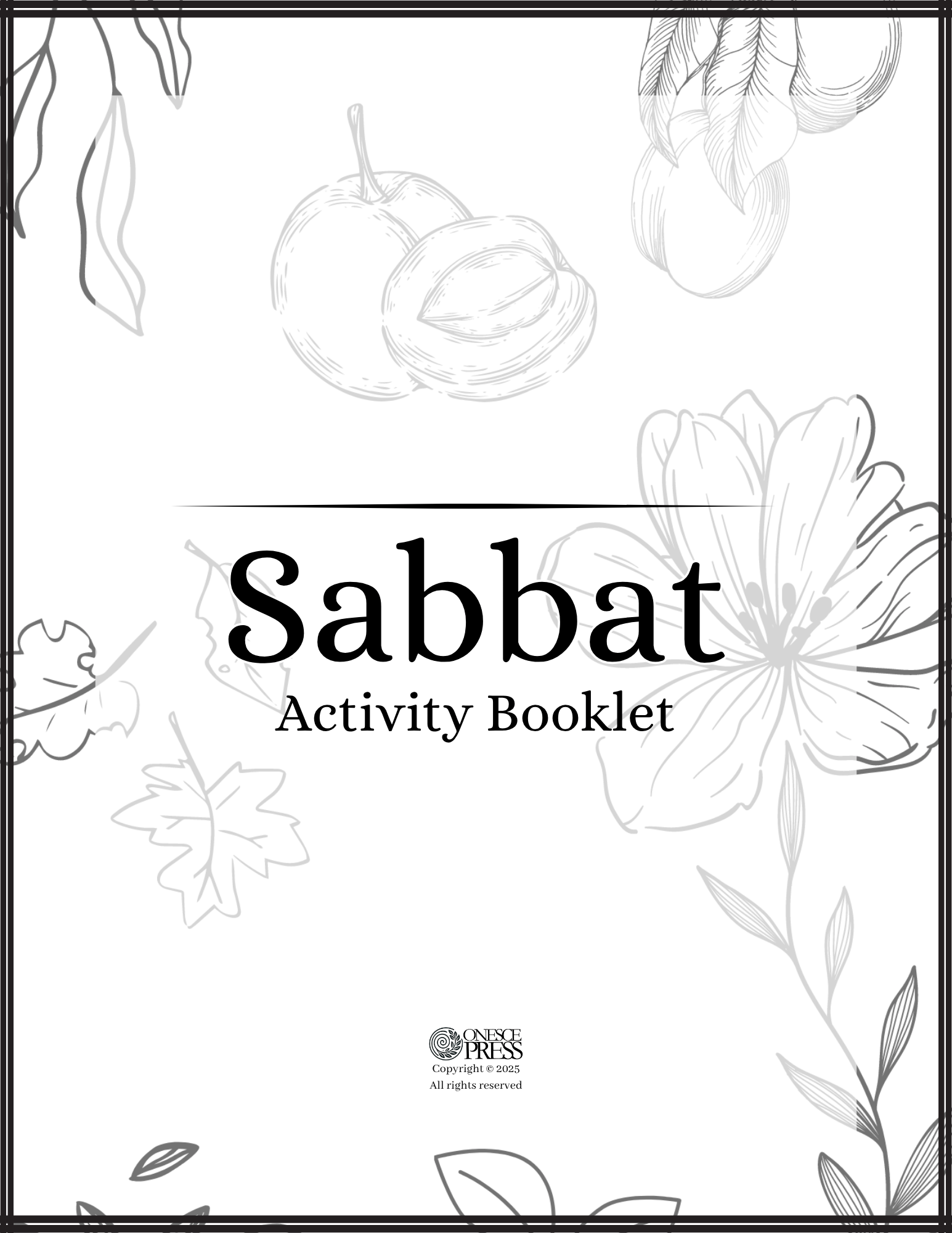
Sabbat Activity Booklet
Get your free copy of this printable PDF, designed to help you explore any of the Pagan Sabbats!
Today, Beltane continues to thrive in both traditional and modern expressions. It’s a lasting reminder that spring’s renewal is a sacred opportunity to align with the creative pulse of the universe. This Sabbat represents a phase of outward expansion, when the intentions seeded in earlier seasons begin to take visible form through connection, creativity, and embodied expression. It is a time to move beyond preparation and into participation, aligning ourselves with the fertile momentum of life as it unfolds around and within us.
Let’s step into the warming light of Beltane, where fire rekindles dreams, flowers whisper promises, and every heartbeat echoes the world’s timeless call to grow. In this exploration, we will journey through Beltane’s ancient roots, enduring traditions, rich symbolism, and contemporary celebrations. Together, we’ll discover insights and inspirations that can help us honor this vibrant Sabbat in ways both timeless and personal.

Ancient Roots: Fire & Fertility
Long before Beltane became a modern festival of dancing ribbons and glowing bonfires, it was honored as a sacred turning point in the ancient Celtic calendar. For the early Celts, May 1st marked the threshold between spring’s awakening and summer’s full arrival; a time when the land promised abundance and the invisible forces of nature surged with new life. Beltane was not only a celebration of this vibrant shift, it was also a spiritual safeguard—a way of honoring and balancing the delicate forces that governed existence.
The original Beltane festival was a pagan fire festival, one of four major Gaelic seasonal celebrations along with Samhain, Imbolc, and Lughnasadh. Fire, regarded as both protector and purifier, played a central role in these rites. Great communal bonfires were lit atop hills and sacred sites, their flames believed to cleanse, bless, and invigorate the people, animals, and crops for the fertile months ahead. In some traditions, cattle were driven between two Beltane fires to purify them and ensure their health for the coming summer.
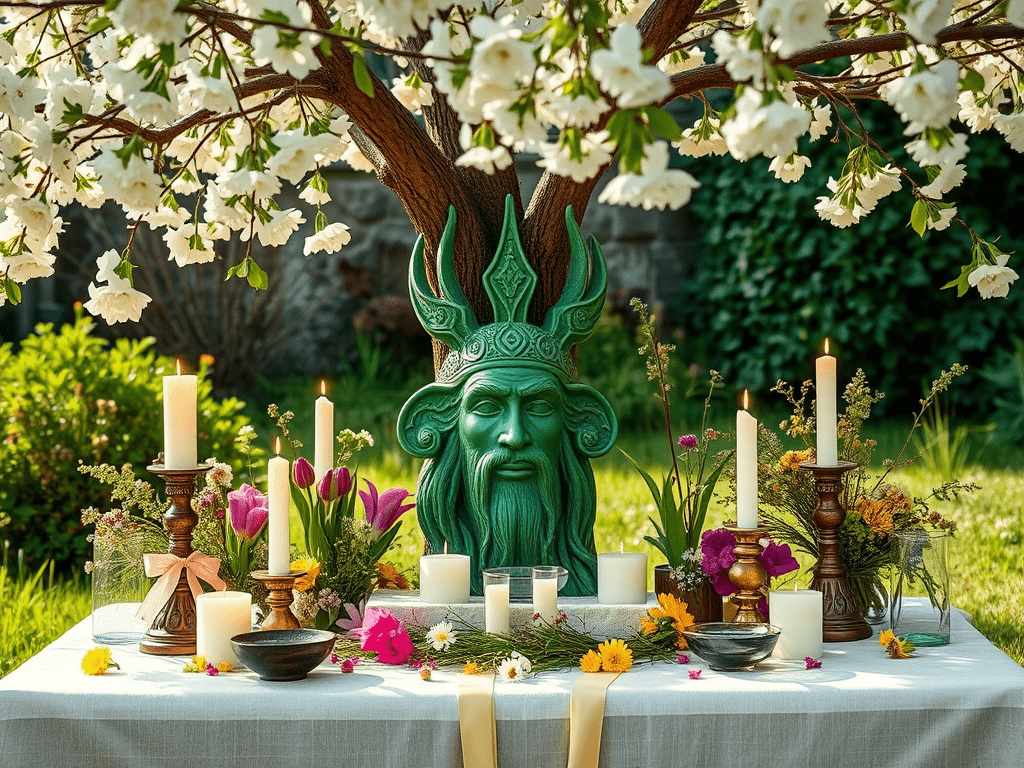
Beltane was also understood as a moment when the veil between worlds grew thin, much like Samhain, but with a focus on vitality rather than mortality. Spirits, ancestors, and elemental beings were believed to move freely, influencing the prosperity of the season. Offerings of milk, honey, and bread were often left at sacred trees and wells to court their favor and ensure the community’s protection.
This was not merely seasonal superstition; it reflected a worldview in which human beings lived in close partnership with the natural and spiritual realms. By participating in the Beltane traditions, communities reaffirmed their bond with the land, the elements, and the cycles that sustained all life. Today, echoes of these ancient practices can still be found in modern Beltane celebrations, reminding us that the rhythms of the earth—and the need to honor them—have never truly faded.
Mythos: May Queen & Green Man
Mythology and folklore are important parts of Beltane, weaving stories of fertility, renewal, and sacred union that have endured for centuries. These ancient figures not only colored the imaginations of early celebrants but also embodied the natural forces that Beltane honors. These stories helped to ensure themes such as the blossoming of life, the balance of opposites, and the unstoppable tide of growth were continually passed down throughout the ages.
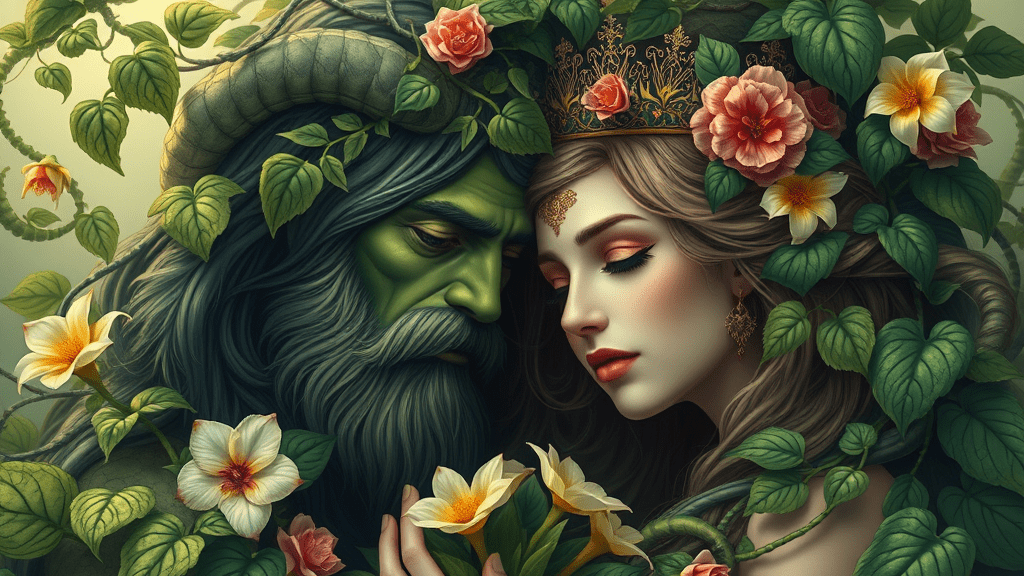
At the center of many Beltane traditions stands the May Queen. She is the radiant embodiment of the divine feminine, the spirit of spring in full bloom. As flowers unfold across the fields and orchards, the May Queen is crowned with blossoms and celebrated as the sovereign of the season’s abundance. In ancient festivals, a young woman was often chosen to serve as the May Queen, presiding over festivities that honored the earth’s fertile gifts. Today, she continues to symbolize the lush beauty of the natural world and the creative potential awakening within us all.
Paired with the May Queen is the figure of the Green Man, a timeless symbol of nature’s untamed spirit. Often depicted with foliage growing from his face and crown, the Green Man represents the wild, vigorous energy of the earth itself. He is the masculine counterpart to the May Queen, embodying vitality, virility, and the deep-rooted wisdom of the natural world. In many traditions, their symbolic union at Beltane reflects the sacred marriage of sky and earth, spirit and matter. This speaks to the most ancient alchemy of nature that brings forth all new life.

Another important figure linked to Beltane’s mythic traditions is the Oak King. According to Celtic lore, the Oak King reigns during the bright half of the year, battling and succeeding the Holly King at the winter solstice. At Beltane, the Oak King’s power swells as the days grow longer, representing triumph, light, and flourishing growth. His story serves as a reminder that Beltane is not only about honoring fertility, but also about celebrating the vitality and resilience needed to sustain it.
These figures are more than charming relics of the past. They offer rich archetypes that we can still connect with today, each reminding us of the cyclical rhythms we move through individually and collectively. In celebrating Beltane, we are invited to recognize these energies within ourselves: our capacity to bloom, to offer vitality to our communities, and to renew our own creative fires.

Traditions & Modern Customs
Celebrating Beltane has always been rich with traditions that honor both the seen and unseen forces of life. Through communal gatherings, symbolic rituals, and offerings to the natural world, ancient peoples wove a tapestry of meaning that connected them to the season’s vital energy. While many of these practices have evolved over time, their spirit remains vibrant in modern Beltane celebrations.
The lighting of Beltane fires remains one of the most iconic customs. In ancient times, great bonfires were kindled on sacred hills, serving both as a beacon of protection and as a symbolic rekindling of the sun’s power. Communities would gather to jump over small flames for luck, lead cattle between fires for blessing, or simply bask in the flaming energy of renewal and purification. Today, while fewer of us gather herds or light towering pyres, the act of lighting candles or communal fires continues to honor Beltane’s elemental roots.
The Maypole dance, another enduring tradition, celebrates the fertility and union of earth and sky. A tall pole, often decorated with fresh flowers and colorful ribbons, serves as the centerpiece. Dancers weave intricate patterns around it, symbolizing the harmonious joining of masculine and feminine energies. Whether performed in large festivals or intimate backyard gatherings, the Maypole remains a joyful and deeply symbolic ritual that speaks to the abundance of life returning to the land.

Handfasting ceremonies, the ancient practice of binding couples together for a year and a day, also find renewed expression at Beltane. These rituals acknowledge the sacredness of human connection, mirroring the natural unions blossoming all around. In modern celebrations, handfastings may mark engagements, marriages, or simply the honoring of love in all its forms.
Other traditional activities include gathering wildflowers, crafting garlands or wreaths, baking special Beltane cakes, and preparing ritual baths infused with spring herbs and flowers. These simple yet powerful acts serve to awaken our senses to the beauty and vitality of the world around us, encouraging mindfulness and gratitude.
As Beltane traditions continue to adapt, many modern practitioners have found ways to celebrate even in urban settings or solitary practice. Lighting a candle at sunrise, creating a small seasonal altar, planting flowers or vegetables, or writing intentions for growth and renewal are all meaningful ways to participate. Whether through ancient rites or personal interpretations, celebrating Beltane allows us to honor the fertile energy of the season and reaffirm our bond with the living world.

The Elemental Powers of Beltane
The Beltane festival is also a celebration of the elemental powers that shape life’s renewal. Fire, earth, air, and water are not just symbolic forces at Beltane, they are active in the rituals and traditions that mark this sacred time of year. By honoring these elements, ancient and modern celebrants alike invite balance, fertility, and protection into the season ahead.
Fire is perhaps the most iconic element of Beltane. As a symbol of divine masculine energy, fire represents passion, transformation, and illumination. In ancient rites, bonfires were kindled to strengthen the sun’s power as it climbed higher into the sky, encouraging crops to flourish and communities to thrive. Today, lighting candles or participating in ceremonial fires remains a powerful way to tap into fire’s renewing force, reminding us of our inner vitality and capacity for change.
Earth, rich and fertile from the rains of early spring, embodies the divine feminine aspect of Beltane. The earth’s flowering fields, blossoming trees, and freshly awakened seeds mirror the fertility and creative abundance celebrated during this festival. Activities like planting gardens, crafting wreaths, and building flower-strewn altars reconnect us with earth’s nurturing energy and help anchor our intentions in the tangible world.

Air, often overlooked, plays a subtle but essential role at Beltane. The warm breezes of late spring carry the scent of blossoms and the songs of birds, signaling the land’s full awakening. Air governs communication, breath, and inspiration. In ancient celebrations, the weaving of Maypole ribbons reflected the invisible currents of life intertwining all beings. Simple rituals like offering prayers to the wind, hanging blessings from trees, or dancing freely in open spaces honor air’s unseen but potent influence.
Water is also honored at Beltane, particularly through traditions involving dew and sacred wells. It was believed that morning dew gathered on Beltane was especially potent, capable of blessing, healing, and beautifying those who anointed themselves with it. Bathing in natural springs or creating ritual baths with herbs and flowers continues this elemental tradition, offering purification, renewal, and connection to the fluid cycles of life.
Together, these elemental powers weave the tapestry of Beltane’s magic. By consciously working with fire, earth, air, and water in our own celebrations, we align ourselves with the deeper currents of creation moving through the season. Whether through grand ceremonies or quiet personal observances, celebrating Beltane invites us to dance once more with the elemental forces that sustain and inspire life.

Beltane Symbolism & Themes
The Beltane festival is a rich tapestry of symbolism that reflects the season’s full awakening. Fertility, union, and the vibrant renewal of nature are lived experiences at Beltane, celebrated through ritual, story, and the simple beauty of the land coming back to life.
Fertility at Beltane is often misunderstood as merely physical, but its true meaning runs much deeper. Fertility symbolizes the creative force that moves through all things: the flowering of ideas, the strengthening of relationships, as well as the birthing of dreams and intentions. The Sabbat serve as a reminder that earth’s blossoms, swelling rivers, and warm, fertile soil are all mirrored within us—inviting us to cultivate the seeds we wish to see flourish in the coming months.

Union is another central theme woven through Beltane traditions. The sacred marriage of the May Queen and the Green Man reflects a universal truth: that creation arises from the harmony of complementary forces. Earth and sky, spirit and matter, light and dark—each dance together to bring forth new life. This symbolic union invites us to recognize and honor the partnerships, collaborations, and inner integrations that support our own growth.
The natural world at Beltane serves as a vivid metaphor for this awakening. Trees unfurl their leaves, flowers bloom in wild abundance, and animals move with renewed energy. Every element of nature seems to sing of life’s unstoppable momentum. By participating in Beltane traditions, whether by weaving ribbons around a Maypole or tending a simple altar of spring flowers, we consciously align ourselves with this greater rhythm of emergence, vitality, and joy.
These themes are not distant or symbolic, they represent lived experiences of our agrarian ancestors that we can engage with directly. At Beltane, we are invited to notice where growth is asking for expression in our own lives, and to consciously participate in that unfolding through action, creativity, and connection. Its symbolism therefore encourages us to celebrate not only what has already blossomed in our lives, but also what is still tender and growing for us. Its an ancient, yet timeless reminder that renewal is both a personal and communal act; that our very vitality is a continuous offering that we make to ourselves, each other, and the living earth.

Celebrating Beltane in Modern Times
While Beltane’s ancient fires once lit the hills of Celtic lands, its spirit continues to thrive across the modern world. Today, celebrating Beltane offers an opportunity to honor both the traditions of our ancestors and the creative possibilities of our contemporary lives. Whether through grand public festivals or quiet personal ceremonies, the essence of Beltane remains unchanged: a joyful honoring of life’s renewal, abundance, and sacred connection.
In many communities, Beltane is celebrated with lively gatherings that echo ancient customs. Public Beltane festivals, such as the famous Beltane Fire Festival in Edinburgh, feature dramatic fire displays, Maypole dances, costumed processions, and symbolic rituals that welcome the season’s vitality. These modern celebrations often blend historical elements with new artistic interpretations, keeping the festival vibrant and relevant for today’s seekers.
However, celebrating Beltane does not require large crowds or elaborate ceremonies. Many modern practitioners honor the festival through solitary or small-group rituals that bring the spirit of Beltane into everyday life. Lighting a single candle at sunrise, crafting a flower crown, tending a springtime altar, or writing intentions for growth are all meaningful ways to participate. Some choose to spend the day outdoors, connecting with the land through mindful walks, wildflower gathering, or planting seeds in a garden.

Beltane’s symbolism also finds expression in handfasting ceremonies, seasonal feasts, and creative activities like music, poetry, and dance. These acts can all serve as living rituals that bridge the ancient and the modern, grounding spiritual practice in heartfelt action. Even simple, solo-practices can be powerful rituals; try preparing seasonal foods like traditional Bannocks, crafting a flower crown, or creating a cleansing ritual bath. There are so many fun and meaningful ways to embody the spirit of the season.
At its core, celebrating Beltane today is about honoring the forces of fertility, creativity, and renewal that flow through both nature and ourselves. Whether by reviving ancient rites or inventing new traditions, we are invited to kindle our inner fires, weave ourselves into the living tapestry of the season, and remember that growth—like celebration—is an act of sacred participation.

Beltane’s Enduring Legacy
Across centuries and cultures, Beltane has remained a celebration of life’s unstoppable momentum. Its ancient rites of fire, fertility, and union continue to offer meaning today, reminding us that the cycles of renewal are not relics of the past but living forces that move through our lives and communities.
The eternal flame of Beltane burns not only on the hillsides of distant lands, but also within the choices we make to honor growth, nurture connection, and celebrate creativity. Every time we light a candle with intention, plant a seed with hope, or weave together diverse energies in collaboration, we carry forward the spirit of Beltane. In this way, the festival offers us all a way to honor the living relationship between the cycles of nature and the rhythms of our own becoming.

Beltane’s enduring legacy invites us to remember that vitality is sacred, and that renewal is a choice we are called to make again and again. Especially when the pace of modern life can so easily pull us away from natural rhythms, the traditions of Beltane offer a gentle yet powerful invitation to return. It invites us to notice the seasons of our own hearts, to celebrate the blossoming we see around and within us, and to participate consciously in the dance of life.
As we honor the eternal flame of Beltane, we also rekindle our commitment to the earth, to one another, and to the creative forces that continually call us forward. In doing so, we weave ourselves into a story that is both ancient and ever new. It’s a story where every act of celebration, and every spark of hope, become sacred offerings to the great tapestry of life.
Beltane is a Chance to Celebrate Renewal
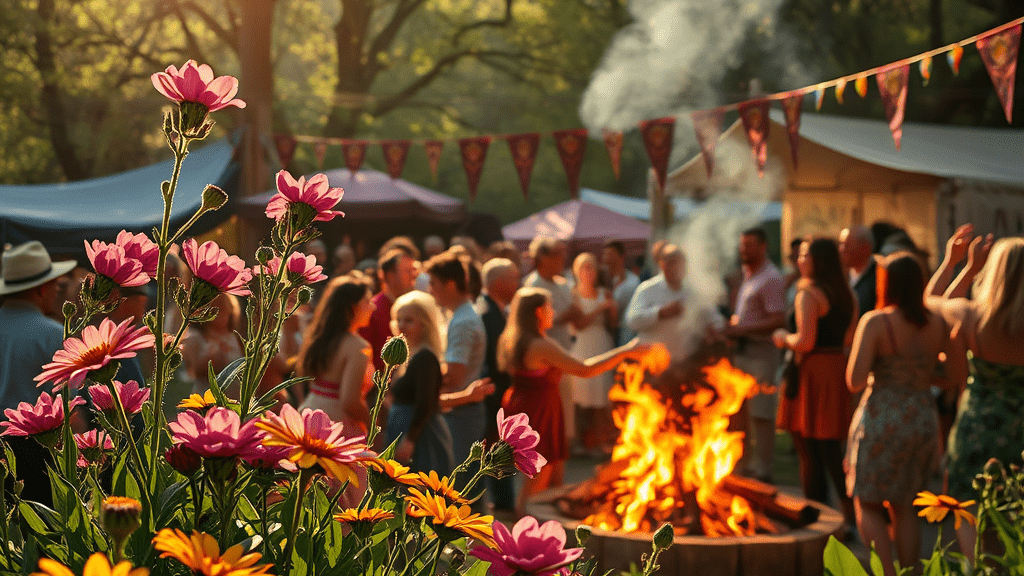
Beltane reminds us that celebration is not a luxury, but a vital act of participation in the cycles that sustain us. As the fires are kindled and the earth awakens in blooms of color and light, we are invited to step fully into the dance of life: to honor the seeds we are planting, the relationships we are nurturing, and the dreams we are bringing into form.
By weaving ourselves into the traditions of Beltane, whether through ancient rites or personal expressions, we keep alive an ancient rhythm that echoes in the budding trees, the rushing rivers, and the hopeful beating of our own hearts. This Sabbat serves to remind us that renewal is a force we are meant to claim, celebrate, and cultivate.
Sabbat Activity Booklet
Get your free copy of this printable PDF, designed to help you explore any of the Pagan Sabbats!
As we light our fires, dance our circles, and offer our intentions to the fertile winds of spring, we remember that the earth’s vitality mirrors our own. This Beltane, we invite you to join us: to grow, to thrive, and to awaken fully to the beauty of life. In the spirit of this abundant celebration, may we each become vessels of vitality, creativity, and connection—carrying this sacred spark of renewal forward into everything we touch. Blessed be!
Thank you for joining us here on Onescence! If you enjoyed this article, you can support this free, online periodical by becoming an Insider or purchasing one of our products through Onesce Press. Given your interest in natural cycles and personal rituals, perhaps you would benefit from:
Moon Cycle Journey

JOURNAL FEATURES:
- Learn about the rhythms of the lunar cycle and how to apply them to your own journey.
- Explore your cycle goals, developing and working with your own authentic intentions.
- Discover the power of personal feedback for enhancing and sustaining progress.
- Utilize daily/nightly journal prompts that are designed to bring out your best.
- Experiment with simple ritual ideas and when to employ them throughout the cycle.
- And so much more…
You can also get your copy on Amazon and begin your journey with the next moon cycle!