

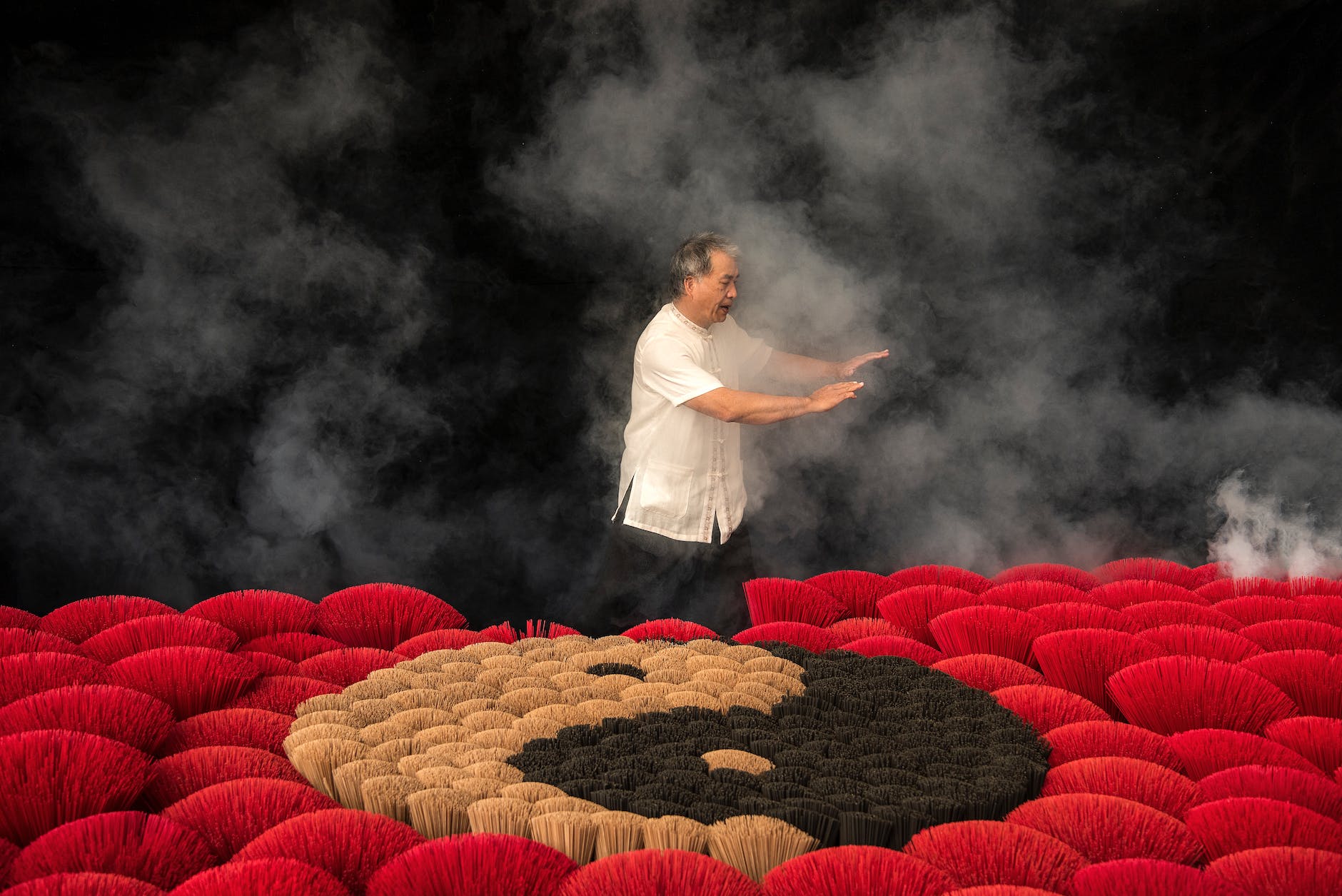
In the bustling landscape of modern productivity, where the demand for efficiency often comes at the cost of well-being, ancient wisdom offers a profound guide. The Tao of time management invites us to integrate the principles of Taoism, tapping into the power of Wu Wei, consulting the I Ching for thoughtful decision-making, and embracing mindful scheduling. In this exploration, we unveil how these ancient teachings can harmonize with the demands of contemporary life, fostering balance, fulfillment, and a deeper connection to the flow of time.
Wu Wei in Work: Effortless Action for Efficient Productivity
Understanding Wu Wei
At the heart of Taoist philosophy is the concept of Wu Wei, often translated as “effortless action” or “non-action.” Contrary to its literal translation, Wu Wei doesn’t advocate for passivity but rather aligning oneself with the natural flow of events. In the context of work, Wu Wei involves performing tasks with a sense of ease, without unnecessary force or resistance.
Effortless Efficiency
Applying Wu Wei in the workplace means identifying and aligning with the most natural and efficient course of action. Instead of pushing against challenges, individuals attuned to Wu Wei seek solutions that unfold organically. This approach not only enhances efficiency but also reduces stress, creating a harmonious and sustainable work environment.

Adaptability and Flexibility
Wu Wei encourages adaptability and flexibility in the face of change. Embracing the ebb and flow of circumstances allows individuals to navigate challenges with grace. This adaptability fosters a resilient mindset, enabling professionals to respond to the dynamic nature of work without succumbing to unnecessary stress or resistance.
Cultivating Presence in Work
Wu Wei invites individuals to cultivate a sense of presence in their work. Being fully engaged in the task at hand, without excessive mental chatter or preoccupation with the past or future, enhances focus and efficiency. This mindful presence aligns with Taoist principles, connecting individuals to the inherent wisdom and rhythm of the present moment.

I Ching for Decision-Making: Seeking Spiritual Guidance in Choices
The Oracle of I Ching
The I Ching, often referred to as the Book of Changes, is an ancient Chinese divination text that offers profound insights into decision-making. Consisting of hexagrams representing various combinations of yin and yang, the I Ching provides a framework for understanding the dynamic interplay of opposites in different life situations.
Thoughtful Contemplation
Consulting the I Ching involves thoughtful contemplation and a focus on the specific question at hand. The casting of coins or sticks generates a hexagram that corresponds to a particular chapter in the I Ching. The wisdom found in the chosen hexagram offers guidance and insights, prompting individuals to consider the nuances of their decision in a spiritually informed manner.
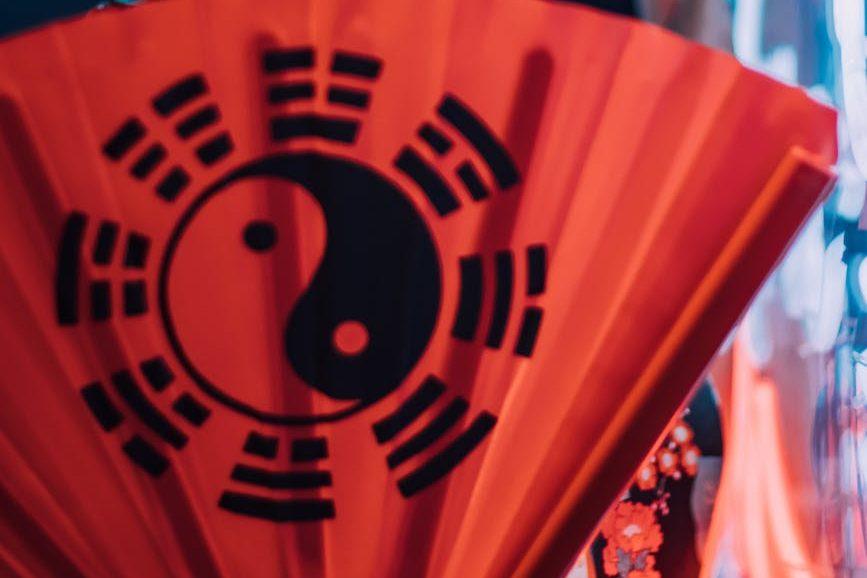
Embracing Yin and Yang
The I Ching introduces the fundamental concept of yin and yang, representing the interdependence of opposites. Applying this wisdom to decision-making involves recognizing the complementary aspects of choices and finding a harmonious balance. The I Ching guides individuals to consider both the light and shadow aspects of a decision, fostering a holistic perspective.
Integrating Intuition and Wisdom
The I Ching encourages individuals to trust their intuition and tap into the deeper well of wisdom within. By combining intuitive insights with the guidance offered by the hexagrams, decision-making becomes a spiritually informed process. This integration of intuition and wisdom aligns with the Taoist principle of harmonizing with the natural order of life.
Mindful Scheduling: Aligning with the Tao in Daily Life
Harmony in Daily Routines
Taoist principles extend to the realm of daily scheduling. Instead of rigidly adhering to a fixed routine, individuals practicing the Tao of time management seek harmony in their daily activities. This involves aligning tasks with the natural rhythms of energy and avoiding unnecessary haste or force.
Prioritizing the Essential
Mindful scheduling invites individuals to prioritize the essential over the urgent. Rather than succumbing to the pressures of constant busyness, the Taoist approach encourages discernment. Identifying tasks that align with their overarching goals and values allows individuals to invest time and energy in pursuits that contribute to long-term fulfillment.

Embracing Rest and Renewal
The Tao of time management emphasizes the importance of rest and renewal. In a culture that often glorifies perpetual productivity, Taoist principles encourage individuals to embrace periods of rest without guilt. This cyclical approach to energy recognizes the need for balance, ensuring that periods of activity are complemented by moments of rejuvenation.
Flowing with the Seasons
Taoist time management involves flowing with the seasons of life. Recognizing that there are times for growth, action, and productivity, as well as times for introspection, rest, and reflection, individuals align their schedules with these natural cycles. This attunement to the seasons fosters a sense of balance and prevents burnout.

Conclusion: Navigating Time with Taoist Wisdom Provides Peace and Replenishment
In the hustle and bustle of modern life, the Tao of time management offers a timeless guide to navigating the complexities of productivity and decision-making. Wu Wei invites us to work with effortless efficiency, the I Ching guides us in thoughtful decision-making, and mindful scheduling aligns our daily routines with the natural rhythms of life.
By embracing these ancient principles, individuals can cultivate a harmonious relationship with time, fostering balance, fulfillment, and a deeper connection to the inherent wisdom of the Tao. The art of time management, when infused with Taoist wisdom, becomes a journey infused with peace and replenishment.