


The New Year is more than just a mark on the calendar; it is a shared human experience. Across the globe, cultures and communities have long celebrated this transition as a time to let go of the past and embrace new beginnings. Whether it’s through grand festivities, intimate rituals, or symbolic gestures, humanity’s collective recognition of renewal underscores our intrinsic connection to the cycles of life.
Themes of release, new beginnings, and intention-setting are universal, transcending geography and history. Let’s explore a diverse array of New Year traditions, examining their cultural significance and considering ways to incorporate them into personal celebrations. Through these stories and practices, in our desire to honor the past and welcome the future, we will discover how interconnected humanity truly is.

Historical and Global Perspectives
Origins of New Year Celebrations
Mesopotamia (circa 2000 BCE): The Akitu festival, celebrated at the Spring Equinox, is one of the earliest recorded New Year celebrations. Centered around honoring the gods and ensuring cosmic balance, this 12-day festival included rituals of renewal and reaffirmation of social order.
Renewal and harmony were central to this tradition, with leaders reaffirming their roles in maintaining balance during the festivities. How do you honor balance in your life as you transition into a New Year?

Ancient Egypt: Tied to the annual flooding of the Nile, which symbolized rebirth and abundance, Egyptian New Year celebrations honored deities like Hapi, the god of the Nile.
Themes of gratitude, abundance, and prosperity were of great importance. What aspects of gratitude and abundance do you want to cultivate in the coming year?
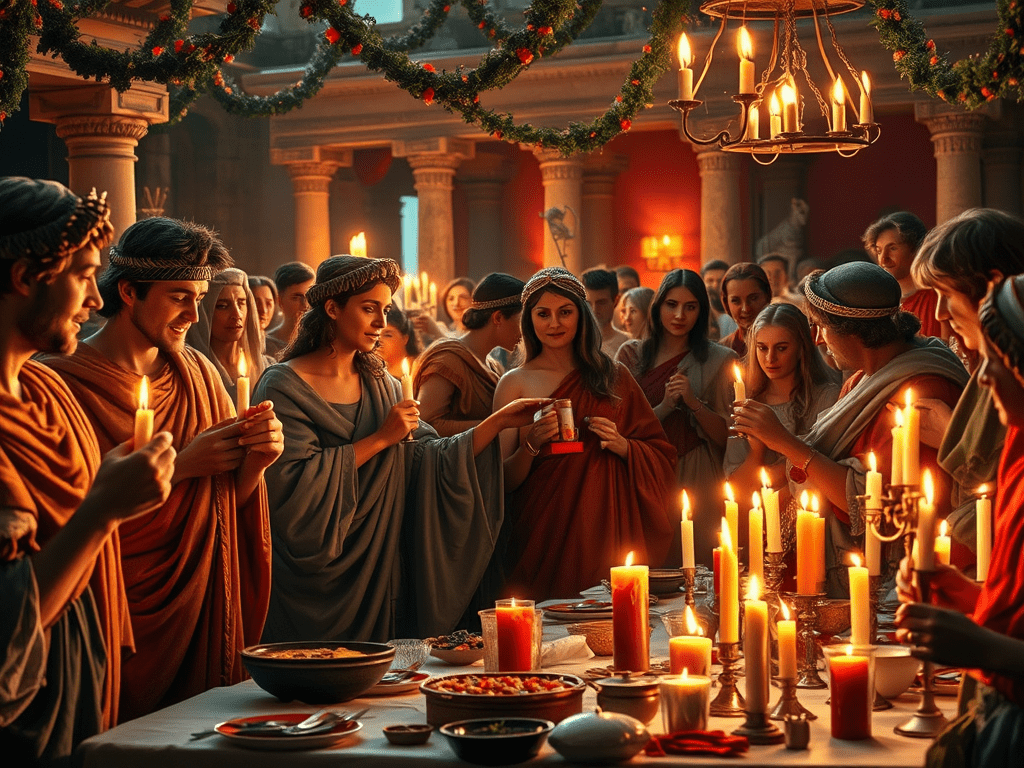
Roman Saturnalia: Initially a midwinter festival, Saturnalia evolved into the Roman New Year’s celebration under Julius Caesar’s reformation of the calendar. Traditions included exchanging gifts, lighting candles, and feasting. Incorporate the themes of this ancient celebration into your own New Year by exchanging small gifts, or by lighting candles to symbolize goodwill and hope for the year ahead.
Another aspect of the festivities included role-reversals within the social order. What role have you been playing that you want to evolve in or out of this year?

Asia: Harmony and Prosperity
China: Lunar New Year customs include deep cleaning homes to clear negativity, giving red envelopes (hongbao) to symbolize luck, and dragon dances to celebrate prosperity.
The Lunar New Year emphasizes family unity, renewal, and prosperity. To incorporate these themes into your own celebrations, declutter your space and create a gratitude list to align with the spirit of renewal.
India: In some regions, Diwali marks the New Year, focusing on the triumph of light over darkness. Families light diyas (lamps) and share sweets. You too can intentionally light candles or diyas in your home to invite positivity and hope for your own New Year.
Japan: Shōgatsu, the Japanese New Year, involves rituals like deep cleaning, eating soba noodles for longevity, and ringing bells at Buddhist temples to welcome a fresh start. Themes of intention and purification are central to the festivities. How can simplicity and mindfulness guide your New Year?

Africa: Renewal and Community
Nigeria: Yoruba festivals during the New Year emphasize gratitude, blessings, and connection to ancestors. Reconnection with community and honoring ancestral lineage are themes of importance. To incorporate these traditions, you can host a gratitude circle with loved ones to reflect on shared blessings.
South Africa: Celebrations include fireworks and discarding old furniture, symbolizing a fresh start. What habits or items no longer serve you and can be released this New Year?
Ethiopia: Enkutatash (New Year) is celebrated in September, aligning with the end of the rainy season. Flowers and communal feasts mark the occasion. Harvest and renewal are central themes and can be incorporated into our customs with gratitude and intention.

Europe: Symbolism and Superstition
Scotland: Hogmanay traditions, such as “first-footing,” involve the first visitor of the year bringing luck and symbolic gifts. Luck, prosperity, and community connections are themes of significance. You can invite a loved one to bring a symbolic gift to your home in honor of these traditions.
Spain: Eating 12 grapes at midnight—one for each stroke of the clock—ensures good luck for the coming year. What intentions might you align with each grape?
Greece: Breaking a pomegranate at the door symbolizes abundance and fertility for the year ahead. Reflect on your “seeds” of intention for the year to bring these traditions into your own New Year.
The Americas: Blending Cultures and Symbolism
United States: The Times Square ball drop represents collective renewal and the joy of a shared experience. How can community traditions bring you closer to your goals?
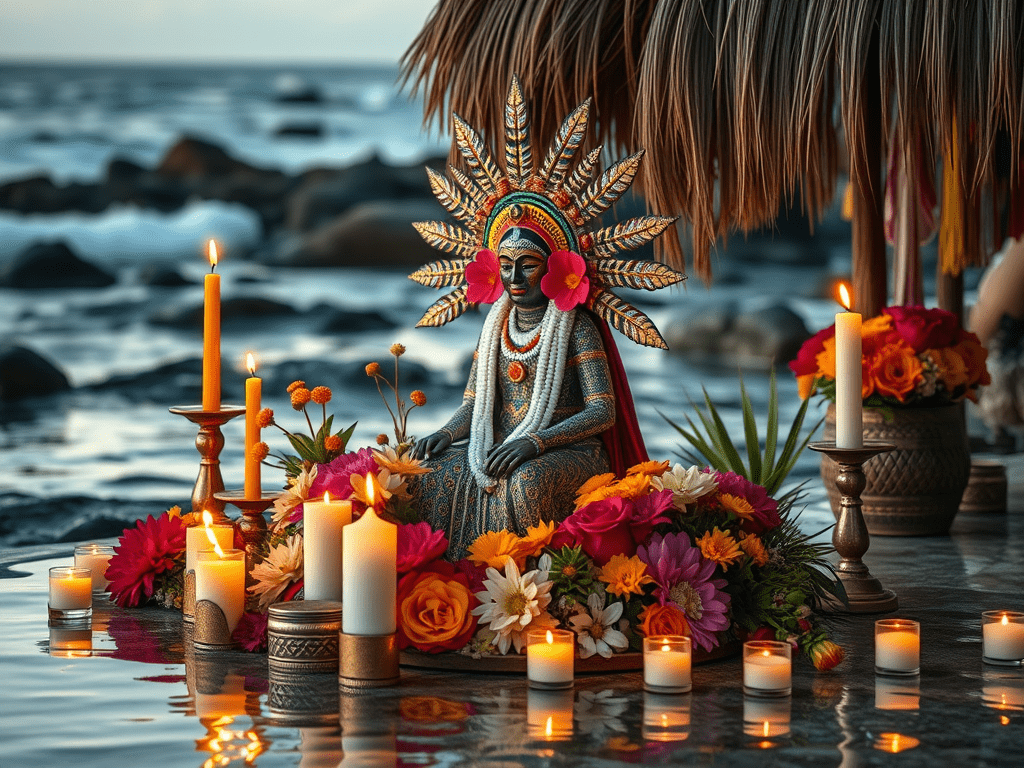
Brazil: Offerings to Yemanjá, goddess of the sea, often include flowers and candles released into the water. Bring these themes into your own New Year by writing down your wishes and releasing them into water to symbolize your own hope and faith.
Peru: Burning effigies and wearing yellow for luck are common traditions, symbolizing letting go of the past and inviting future prosperity. What colors or symbols represent your goals for the coming year?

Oceania: Connection to Land and Spirit
Australia: Fireworks and beach gatherings celebrate the summer New Year with joy and connection to nature. To incorporate these themes into your New Year, spend time outdoors to ground yourself and set intentions.
Māori (New Zealand): Matariki, the Māori New Year, honors ancestors and the environment through reflection and gratitude. Remembrance, renewal, and gratitude are of the greatest importance. How can you honor your own personal history while also looking forward to the year ahead?

Universal New Year Traditions
1. Release and Letting Go
- Common symbolic acts across cultures:
- Burning effigies (Latin America).
- Sweeping homes (Asia).
- Discarding old belongings (Africa and Europe).
- Reflection Prompts:
- What emotions or patterns are you ready to release?
- How can symbolic acts help you create closure?

2. Inviting New Beginnings
- Acts of intention-setting:
- Eating specific foods for luck and health (e.g., lentils in Italy, black-eyed peas in the US).
- Lighting candles (global practice) to invite clarity and hope.
- Incorporation Ideas:
- Create a New Year’s altar with symbols of your intentions.
- Use affirmations to anchor your goals.

3. Gratitude and Connection
- Gratitude practices in traditions:
- Yoruba festivals in Africa.
- Offerings to deities or ancestors (India, Brazil).
- Communal feasts (Ethiopia, Scotland).
- Reflection Prompts:
- How can you express gratitude to your community or ancestors?
- What traditions connect you to the people and places you value most?

Honoring Global Traditions
Blend and Adapt: Create a “personalized tradition” that reflects your values and interests. For example, you may want to combine the gratitude focus of Enkutatash with the intention-setting of Hogmanay.
Include Symbolic Foods: Host a dinner featuring dishes from various traditions, such as: Grapes (Spain), black-eyed peas (US), lentils (Italy), etc.
Ritual Acts for Renewal: Create a symbolic act of release. This could include writing down old patterns/habits on paper and then safely burning them, or perhaps tossing flowers into water, inspired by Brazilian traditions.
Celebrate Nature and the Seasons: Spend time outdoors, connecting with natural cycles as seen in Australian and Ethiopian traditions.

Conclusion: Despite Our Many Differences, Humanity Has Long Been United in Honoring Renewal
The New Year is a time of transformation and unity, reminding us of our shared humanity. Across cultures, traditions emphasize renewal, gratitude, and connection. By exploring and incorporating these global practices, we deepen our understanding of the natural, universal cycles that bind us together as a species.
As you welcome the New Year, may the wisdom of global traditions inspire your path toward growth, connection, and renewal. We wish you and yours a blessed new cycle!